 Bellingham
 Exterior Work Built for Columbia's Conditions
Columbia is one of Bellingham's older, more established neighborhoods, sitting close enough to Bellingham Bay that homes here deal with a mix of weather challenges most inland properties never see. Salt-laced air off the water, long stretches of driving rain through the fall and winter, and heavy tree cover that keeps everything shaded and damp for months at a time all add up. If you own a home in Columbia, your siding, roof, windows, and deck are working harder than the manufacturer's spec sheet probably assumes.
We're a Bellingham-based exterior contractor, and Columbia is part of our regular service area. We're not driving in from out of county to quote a job and disappear — we know what Whatcom County weather does to a house over ten, twenty, thirty years, and we build our recommendations around that, not around whatever's cheapest to install this week.
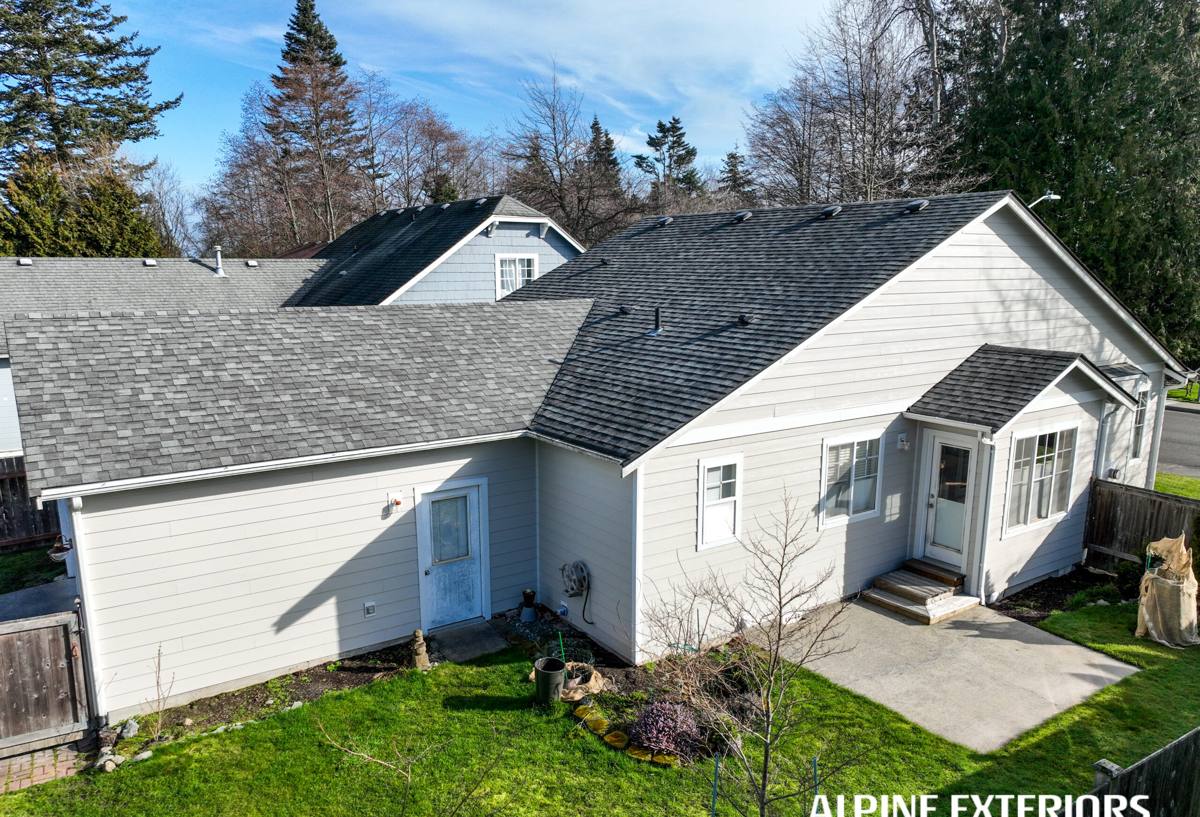
What the Climate Actually Does to a House Here
Salt Air and Moisture
Proximity to Bellingham Bay means airborne salt is a real factor for Columbia homes, especially anything with a westward or water-facing exposure. Salt air accelerates corrosion on fasteners, flashing, and any metal trim, and it speeds up the breakdown of finishes that aren't formulated to resist it. Cheap paint jobs and unsealed wood trim show wear noticeably faster in this kind of environment.
Driving Rain
Western Washington doesn't just get a lot of rain — it gets a lot of wind-driven rain, which behaves very differently than a straight-down shower. Driving rain gets pushed sideways into seams, laps, and window flashing that would stay dry in a calmer climate. Any gap in your building envelope — a poorly caulked joint, a missing kick-out flashing, a siding seam that wasn't lapped correctly — becomes an entry point for water intrusion over time.
Moss Season
Between the shade, the moisture, and the mild temperatures, Whatcom County has what amounts to a moss season that runs most of the year. Moss and algae don't just look bad on a roof or siding — they hold moisture against the surface, which accelerates rot in wood products and can work into seams and fastener holes. Homes with heavy tree cover, which describes a lot of Columbia, deal with this more than most.
Siding: Why We Only Install James Hardie Fiber Cement
We made a deliberate decision as a company to install one siding product: James Hardie fiber cement. We don't install vinyl, LP SmartSide, Cemplank, Allura, primed spruce, or cedar. That's not a marketing angle — it's because we've seen how each of those products actually performs in this exact climate over the long haul, and fiber cement from Hardie is the one we're willing to put our name behind.
Vinyl siding is affordable and low-maintenance in mild climates, but it's a petroleum-based product that can warp in heat, crack in cold snaps, and it doesn't hold up structurally the way fiber cement does — and once it fades, you're not repainting it, you're replacing it. Wood-based products like cedar or primed spruce look great initially but require a maintenance commitment — regular repainting, caulking, and moisture monitoring — that most homeowners underestimate, and in a climate with this much sustained moisture and moss pressure, that maintenance gap is where rot gets started. Engineered wood siding like LP SmartSide holds paint better than raw wood but is still a wood-based composite, meaning edge and seam moisture management has to be close to perfect at install and stay that way for decades.
James Hardie fiber cement is a cement-and-cellulose composite. It doesn't rot, it's non-combustible, it doesn't attract pests, and it holds its shape in freeze-thaw cycles and heavy rain far better than wood or vinyl. The ColorPlus factory finish is baked on under controlled conditions rather than field-applied, which matters a lot in a climate where you can't count on a dry stretch long enough to properly cure field paint. Hardie also engineers specific product lines (their HZ5 line, for example) for regions with heavier moisture exposure, which is relevant for a bay-adjacent neighborhood like Columbia.
Siding Materials at a Glance
| Material | Moisture/Rot Resistance | Maintenance | Typical Lifespan Factors |
|---|---|---|---|
| James Hardie Fiber Cement | Excellent — won't rot, resists moss/algae damage | Low — factory finish, occasional wash | Long service life when installed to spec |
| Vinyl | Won't rot, but can warp/crack with temperature swings | Low, but fading and cracking aren't repairable | Shorter functional life in freeze-thaw and wind exposure |
| Cedar / Primed Spruce | Vulnerable — needs consistent sealing and paint upkeep | High — repainting, caulking, inspection | Highly dependent on maintenance discipline |
| LP SmartSide / Engineered Wood | Better than raw wood, still wood-based at the core | Moderate — seam and edge care is critical | Sensitive to installation quality and moisture exposure |
Roofing for a Wet, Shaded Neighborhood
Roofs in Columbia deal with the same moss and moisture pressure as siding, plus the added stress of standing water risk on lower-slope sections and valleys if drainage isn't detailed correctly. We look at ventilation, underlayment, flashing details around penetrations and valleys, and moss prevention as part of any roofing job — not just the shingles themselves. A roof that sheds water well but traps humid air underneath still rots from the inside, and that's a common problem in older Bellingham-area homes that weren't built with modern ventilation standards.
Regular moss removal and gutter maintenance matter more here than in drier parts of the state. We're honest with homeowners about what's a maintenance issue versus what actually needs roof replacement — there's no reason to sell a full re-roof when the real problem is overdue moss treatment and a clogged gutter line.
Windows: The Other Half of the Envelope
Old, single-pane, or poorly flashed windows are one of the most common sources of water intrusion and energy loss in Columbia's older housing stock. Window replacement isn't just about comfort and energy bills — it's a moisture-management decision. Flashing and integration with the surrounding siding has to be done correctly, or you've just created a new leak point instead of fixing one. When we replace siding, we always check window flashing and integration as part of the job, because the two systems have to work together to actually keep water out.
Decks: Built to Handle Standing Moisture
Decks take the worst of Whatcom County's climate directly — horizontal surfaces, standing water, direct exposure to rain, and often shade that keeps them damp for days after a storm. Ledger board attachment, proper flashing where the deck meets the house, and gapping between boards for drainage all matter more here than in a drier climate. A deck built without those details in mind will show rot at the ledger or support posts well before the decking material itself wears out.
Signs Your Exterior Needs Attention
- Green or black staining that returns quickly after cleaning (moss/algae regrowth)
- Soft or spongy spots on siding, trim, or deck boards
- Peeling or bubbling paint, especially on wood or engineered wood siding
- Rust streaking near fasteners, flashing, or metal trim
- Water stains or musty smell inside near exterior walls or window frames
- Visible warping, cracking, or gapping in siding panels or seams
- Gutters overflowing or pulling away from the fascia during heavy rain
Why a Local Crew Matters in Columbia
Exterior work in this part of Whatcom County isn't generic. A crew that mostly works drier inland climates will make different assumptions about flashing, ventilation, and material choice than one that works Bellingham exteriors every week. We know how Columbia's tree cover and bay proximity change the maintenance math, we're familiar with local permitting and code requirements, and we're not going anywhere after the job is done — if something needs a warranty follow-up, we're still local.
That local knowledge also shapes what we recommend. We're not going to sell a homeowner a siding system or roofing approach that looks fine on paper but doesn't hold up against this specific mix of salt air, driving rain, and moss. Every recommendation we make is filtered through what actually survives here long-term.
What to Expect When You Call Us
We start with an honest look at what's actually going on with your exterior — not every problem is a full replacement, and we'll tell you straight if a repair or maintenance visit is the right call instead of a bigger job. When replacement is the right move, we'll walk you through material options, but we'll be upfront that James Hardie fiber cement is the only siding product we install, and why. For roofing, windows, and decks, we assess the whole envelope together, since these systems all depend on each other to keep water out of your home.
If you're in Columbia and dealing with siding that's showing its age, a roof that won't stay moss-free, drafty windows, or a deck that's starting to feel soft underfoot, we're happy to take a look. Reach out for a free, no-pressure estimate — we'll give you a straight assessment and a clear plan, no obligation.