 Bellingham
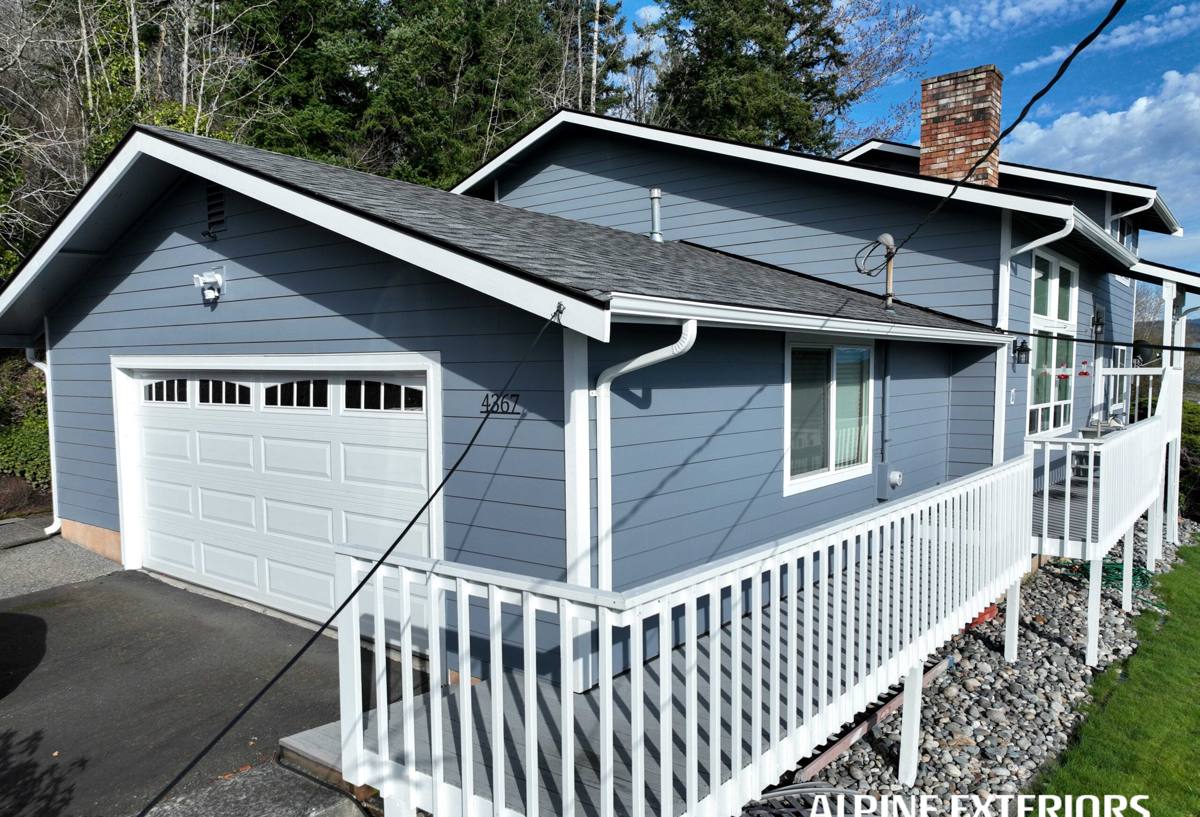
 Asphalt Shingle Roofing Built for Happy Valley's Weather
Happy Valley sits close enough to Bellingham Bay that homes here deal with a specific mix of weather stress: salt-laden air off the water, long stretches of driving rain through fall and winter, and shaded, tree-lined lots that stay damp well into the season. Asphalt shingle roofs are the most common roofing choice in this neighborhood for good reason — they're durable, cost-effective, and when installed correctly, they hold up well against everything Whatcom County throws at them. The key phrase is "installed correctly." A shingle roof that looks fine from the street can still be missing the underlayment details, ventilation, and flashing work that actually keep water out over the long run.
This page covers what a proper asphalt shingle roof looks like for a Happy Valley home, what tends to go wrong with roofs in this specific setting, and how we approach the work when we're on your property.
What This Climate Does to a Shingle Roof
Moss and Organic Growth
Shaded roof planes, especially north-facing slopes or sections under overhanging trees, stay damp for days after a storm. That moisture is exactly what moss and algae need to take hold. Once moss establishes itself, it lifts shingle edges, traps water against the roof deck, and accelerates granule loss. A roof with a long moss season needs shingles and an installation approach that account for that reality from day one, not just a yearly scrape-and-treat routine after the damage is already underway.
Driving Rain and Wind-Driven Water
Storms coming off the Sound don't always fall straight down. Wind-driven rain gets pushed sideways and upward under shingle tabs, through poorly sealed valleys, and around flashing that was installed for looks rather than performance. This is where the difference between a rushed install and a careful one shows up — usually not in year one, but three or four winters in, when water starts finding the gaps.
Salt Air and Metal Components
Being close to the bay means airborne salt accelerates corrosion on exposed metal — flashing, fasteners, vent caps, and drip edge. Standard galvanized fasteners and lower-grade flashing corrode faster here than they would further inland. That corrosion isn't cosmetic; a rusted-through flashing seam is a leak waiting to happen.
What a Correct Asphalt Shingle Job Actually Involves
A shingle roof is a system, not a single layer of material. Skipping any part of the system shortens the life of the whole roof, even if the shingles themselves are top quality.
Tear-Off and Deck Inspection
We remove the old roofing down to the deck rather than layering over it. This lets us actually see the plywood or plank sheathing underneath and replace any sections that have gone soft from long-term moisture exposure — a common finding on older Happy Valley homes with a history of moss buildup.
Underlayment and Ice/Water Protection
A synthetic underlayment across the full roof, with self-adhered ice-and-water membrane at eaves, valleys, and around penetrations, is what actually stops wind-driven rain from reaching the deck. This detail matters more here than in drier climates because the roof spends more days per year wet.
Flashing and Metal Work
Step flashing at wall intersections, proper valley metal, and corrosion-resistant fasteners are non-negotiable this close to the bay. We use flashing and fastener grades chosen for salt-air exposure, not the minimum spec that passes inspection inland.
Ventilation
Balanced intake and exhaust ventilation keeps the attic dry and the roof deck at a stable temperature, which reduces condensation buildup and helps shingles last their full rated life. A roof can be installed perfectly and still fail early if the attic underneath it is trapping moisture.
Shingle Installation
Proper nailing pattern, correct exposure, and attention to valleys and hips — rushed nail guns and shortcuts on cold, wet days are where a lot of premature shingle failure starts. We adjust our technique for the temperature and moisture conditions on the day we're working, not just the manufacturer's minimum instructions.
Quality Checklist for a Shingle Re-Roof
- Full tear-off to the deck, not an overlay on existing shingles
- Deck inspected and any soft or delaminated sheathing replaced
- Ice-and-water membrane at eaves, valleys, and penetrations
- Synthetic underlayment across the full roof deck
- Step flashing at all wall and chimney intersections
- Corrosion-resistant fasteners and flashing suited to salt-air exposure
- Balanced attic ventilation confirmed before shingles go down
- Manufacturer-specified nailing pattern and exposure, adjusted for weather conditions
- Written warranty coverage explained in plain terms before we leave
Choosing Shingle Weight and Style for This Neighborhood
Not every asphalt shingle product is a good fit for a shaded, damp, salt-air lot. We generally steer Happy Valley homeowners toward algae-resistant shingle lines, which use copper-infused granules to slow moss and algae growth on shaded roof planes. It's not a permanent fix — nothing is — but it buys meaningful time between cleanings and reduces the granule loss that comes with aggressive moss removal.
| Shingle Type | Typical Lifespan | Best Fit For |
|---|---|---|
| 3-tab (standard) | 15-20 years | Budget projects, simpler rooflines, sun-exposed planes |
| Architectural / dimensional | 25-30 years | Most Happy Valley homes; better wind and impact resistance |
| Algae-resistant dimensional | 25-30 years | Shaded, tree-covered lots with heavy moss exposure |
| Premium / designer | 30+ years | Homeowners prioritizing appearance and longer warranty terms |
For most homes in this area, we recommend at least a mid-grade architectural shingle with algae resistance built in. The upcharge over standard 3-tab is modest, and on a shaded lot it directly addresses the biggest maintenance headache local homeowners deal with.
Cost Factors Specific to Happy Valley Homes
Every roof is priced based on its own specifics, but a few factors come up consistently in this neighborhood:
| Factor | Why It Matters Here |
|---|---|
| Roof pitch and access | Steeper or harder-to-access roofs common on hillside lots increase labor time and safety staging |
| Existing moss/moisture damage | Long-neglected moss growth often means deck repair is needed once shingles come off |
| Number of valleys and penetrations | More roof planes and features mean more flashing work, which is where leaks start if rushed |
| Tree cover and debris load | Heavier debris and shade may justify upgraded algae-resistant shingles |
| Layer removal | Homes with multiple existing layers require more tear-off labor and disposal |
We give a written, itemized estimate after walking the roof in person — not a phone quote — because these factors vary house to house even within the same street.
Our Process, Start to Finish
1. On-Site Inspection
We walk the roof, check the attic for ventilation and moisture issues, and note any soft decking, existing moss damage, or flashing problems before we ever write a number.
2. Written Estimate
You get a clear, itemized proposal covering materials, tear-off, deck repair allowances, and the flashing and ventilation work included — no vague lump-sum pricing.
3. Scheduling Around Weather
We plan installations to avoid roofing during active rain whenever possible and sequence tear-off so your home isn't left exposed overnight. In a climate this wet, timing the work matters as much as the materials.
4. Installation
Full tear-off, deck repair as needed, underlayment, flashing, ventilation checks, and shingle installation, done in the sequence outlined above.
5. Final Walkthrough
We walk the finished roof with you, review the warranty paperwork, and answer any questions about maintenance before we consider the job done.
Why a Crew That Already Works This Neighborhood Matters
Roofing crews unfamiliar with Whatcom County conditions sometimes apply techniques and material choices suited to drier climates — lighter underlayment coverage, standard fasteners instead of corrosion-resistant ones, or skipping algae-resistant shingle upgrades because they're not used to dealing with heavy moss. A crew that regularly works Happy Valley and the surrounding Bellingham area already knows which roof orientations collect the most moss, how much ice-and-water membrane a valley actually needs in this rainfall pattern, and which flashing grades hold up near the bay. That local pattern recognition shows up in fewer callbacks and a roof that performs the way it's supposed to for its full expected lifespan.
Maintenance After Installation
A correctly installed shingle roof still benefits from basic upkeep in this climate:
- Keep gutters clear so water isn't backing up under the eave line
- Have moss growth addressed before it becomes thick enough to lift shingle edges
- Trim back overhanging branches to reduce shade and debris buildup on the roof
- Schedule a periodic visual inspection, especially after major windstorms
None of this replaces a correct installation — it just protects the investment once the roof is on.
If you're weighing a shingle roof replacement or repair for a Happy Valley home, we're happy to take a look and walk you through what we're seeing, with no pressure to sign anything on the spot. Use the form below to request a free estimate.