 Bellingham
 Windows Built for Sehome's Climate, Not a Catalog Somewhere Else
Sehome sits close enough to Bellingham Bay that salt-laden air is a constant, and close enough to the hills and tree cover that shade, moisture, and moss are part of daily life for most of the year. Whatcom County gets a long stretch of low-intensity rain punctuated by wind-driven storms off the Strait, and that combination is harder on windows than a simple "it rains a lot here" description suggests. Salt air accelerates corrosion on hardware and fasteners. Driving rain finds any weak point in flashing or sealant and pushes water sideways instead of letting it run off. And a moss season that can stretch from fall through spring means anything wood-adjacent — sills, trim, cladding around the window opening — is under near-constant low-grade moisture pressure.
Custom windows in this context isn't a marketing term. It means sizing, materials, and installation details chosen for how a specific Sehome home is oriented, how exposed it is to weather, and what's already failing on it. A window that performs fine in a dry inland climate can underperform here within a few years if it wasn't specified with this environment in mind.
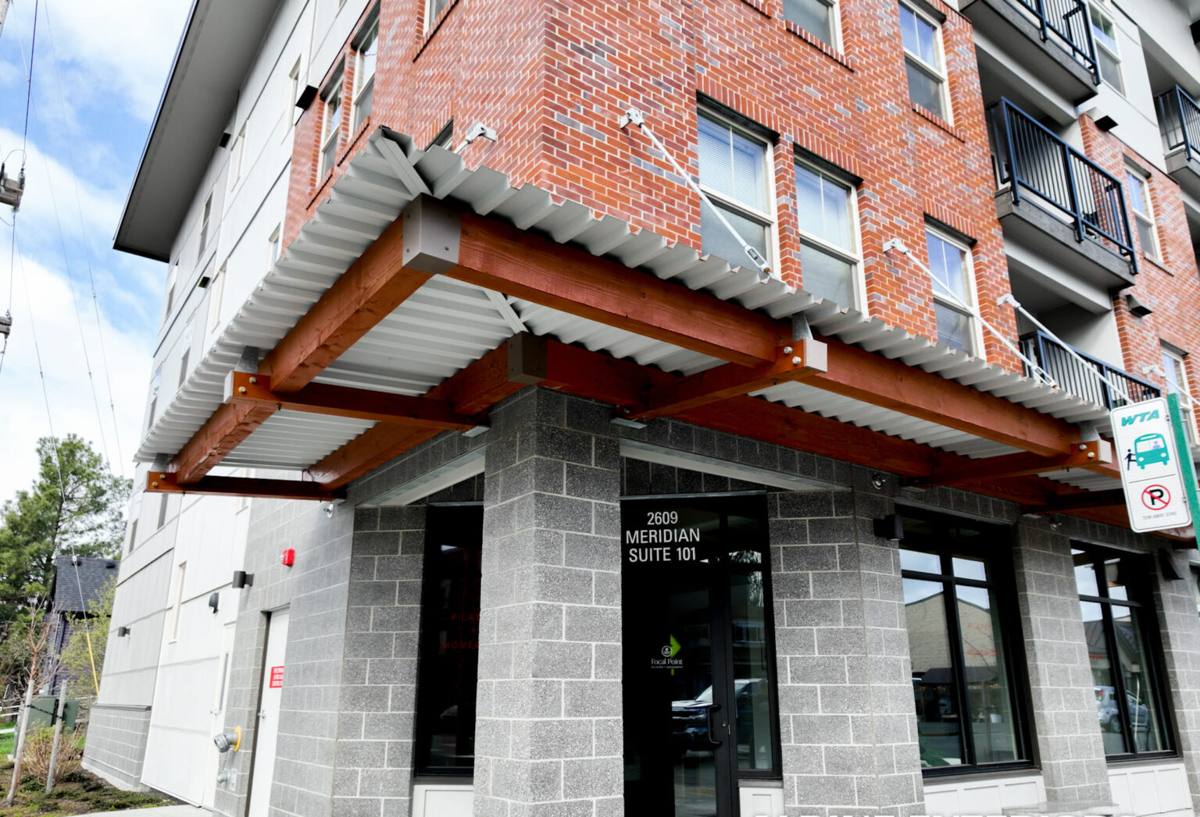
What "Custom" Actually Means
Custom doesn't automatically mean expensive or elaborate. For most Sehome homes it means three things done right, rather than assumed:
- Exact opening measurement — older Sehome homes, especially those built before standardized window sizing became common, often have openings that are slightly out of square or don't match any stock size. Forcing a stock window into a non-standard opening is one of the most common causes of early leaks.
- Material matched to exposure — a window on a shaded, moss-prone north wall needs different sill and cladding decisions than one on a wind-exposed west wall catching storms off the water.
- Flashing and sealing detail matched to the wall assembly — how the window ties into the house's water management system matters more than the window unit itself.
We treat every job as custom in this sense even when the window itself is a standard size, because the installation detail is what determines whether it lasts fifteen years or thirty.
Where Custom Sizing Comes Up Most
We see the need for true custom-sized units most often in additions, converted porches, homes with settled or slightly shifted framing, and older houses where a previous remodel altered the rough opening without updating it cleanly. In these cases, forcing a stock size in creates gaps that get packed with extra sealant or trim — a short-term fix that fails once the sealant ages, which happens faster here than in drier climates.
Common Window Problems We See in Sehome Homes
A few patterns come up repeatedly on service calls and replacement consultations in this neighborhood:
- Sill and lower-corner rot from water that got behind old flashing years before any visible sign appeared
- Hardware — locks, hinges, cranks — seized or corroded from salt air exposure, especially on homes with a clear line of sight toward the bay
- Moss and algae growth on north- and shade-facing frames that holds moisture against wood trim long after a rain event has passed
- Fogging between panes on older dual-pane units, meaning the seal has failed and the insulating gas has escaped
- Condensation on interior glass in winter, which usually points to a combination of poor seals and inadequate wall insulation around the frame rather than the glass itself
None of these are unique to Sehome, but the frequency and speed at which they show up here is higher than in drier parts of the state, which is why routine inspection matters more here than it would somewhere inland.
Material and Glass Options
There's no single "best" window material — the right choice depends on the wall's exposure, the home's style, and how much upkeep the owner wants to take on. Here's how the common options stack up for this specific climate:
| Material | Moisture Performance | Maintenance | Best Use in Sehome |
|---|---|---|---|
| Vinyl | Excellent — won't rot, low corrosion risk | Low | Most exposures, budget-conscious replacements |
| Fiberglass | Excellent — very stable in wet/dry cycling | Low | West and south walls with heavy sun-to-rain swings |
| Wood (clad exterior) | Good if cladding and flashing detail are correct | Moderate to high | Historic or period-style homes where appearance matters most |
| Aluminum | Fair — prone to condensation without thermal breaks | Low | Limited use; better suited to drier climates than ours |
On glass, we generally recommend dual-pane with a low-E coating as the baseline for this area, with argon fill and a warm-edge spacer for west- and north-facing rooms where heat retention and condensation resistance matter most. Triple-pane is worth discussing for homes right along wind-exposed corridors, but it's not a default recommendation — the payoff depends on the specific wall and budget.
Our Installation Process
1. On-Site Assessment
We look at the existing window, the wall assembly behind it, and any visible signs of water intrusion, rot, or hardware failure before recommending anything. This is also when we check whether the opening is square and whether a stock or custom size is the right call.
2. Removal and Opening Prep
Old units come out carefully so we can inspect the sill and framing underneath — this is often where hidden rot from years of driving rain shows up. Any compromised wood gets addressed before a new window goes in; installing a new window over a soft sill just hides the problem.
3. Flashing and Water Management
This is the step that matters most in our climate. Proper flashing tape, sill pans, and weather-resistant barrier integration are what keep wind-driven rain from getting behind the window over time. We don't rely on caulk alone to do this job — sealant is a backup, not the primary defense.
4. Window Set and Fastening
Units are shimmed, squared, and fastened to manufacturer spec, checked for level and plumb, and tested for smooth operation before any finish work begins.
5. Exterior and Interior Finish
Trim, cladding, and sealant go on last, using materials chosen for the specific exposure — moss-resistant or low-maintenance trim on shaded walls, corrosion-resistant fasteners near the water.
6. Final Walkthrough
We check operation, seals, and finish work with the homeowner before considering the job done.
Repair or Replace?
Not every window in a Sehome home needs full replacement. Here's a general guide to how we help homeowners think through it:
| Situation | Usually Repair | Usually Replace |
|---|---|---|
| Sticking or hard-to-operate hardware | Yes | — |
| Minor sealant failure, no rot found | Yes | — |
| Fogged/failed glass seal, frame still sound | Glass unit swap | — |
| Soft or rotted sill and framing | — | Yes |
| Persistent drafts despite sealant repair | — | Yes |
| Single-pane original units in daily-use rooms | — | Usually yes |
Homeowner Maintenance Checklist
Between professional inspections, a few habits go a long way toward extending window life in this climate:
- Clear moss and debris from sills and tracks each fall before the wet season sets in
- Check and lightly lubricate locks and cranks once a year — salt air corrosion is easier to prevent than reverse
- Inspect exterior caulk lines each spring for cracking or gaps and address small failures before they become water intrusion
- Watch for peeling paint or soft spots on wood trim near window corners, an early rot indicator
- Wipe down interior condensation promptly in winter to protect sills and prevent mold growth
Why a Crew That Already Works in Sehome Matters
Window installation done wrong doesn't usually fail on day one — it fails two or three winters later, after the sealant has aged and the first real storm off the bay finds the weak spot. A crew that installs windows across a range of climates might default to details that work fine somewhere drier but aren't matched to Whatcom County's rain patterns, wind exposure, and moss cycle. Working regularly in and around Sehome and greater Bellingham means we've seen how specific wall orientations, tree cover, and building ages here actually behave over time, not just how a manufacturer's spec sheet describes performance in ideal conditions.
That local pattern recognition shapes real decisions — which walls need extra flashing attention, which trim materials hold up under shade and moss, and when a homeowner's instinct that "something's off" with a window is worth investigating further before it becomes a bigger repair.
Get a Straightforward Estimate
If you're dealing with a drafty, foggy, or hard-to-operate window in your Sehome home, or you're planning ahead for a full replacement, we're happy to take a look and give you an honest read on repair versus replacement. Fill out the form below for a free, no-pressure estimate.