 Bellingham
 Roof Repair Built for York's Weather, Not a Generic Checklist
York is one of the older, established neighborhoods close to Bellingham's core, and that means a lot of the roofs here have already been through a few decades of Pacific Northwest weather. When we get a call for roof repair in this part of town, we're usually looking at a roof that's dealt with years of damp shade from mature trees, salt-tinged air rolling in off Bellingham Bay, and driving rain that finds its way into any gap the wind can reach. A repair here isn't just "patch the leak and go." It's understanding why that spot failed in the first place, given everything the roof sits under.
This page is about roof repair specifically — not full replacement, not general roofing info. If your roof is fundamentally sound but has a problem area, a repair is almost always the right call, and doing it correctly the first time is what keeps it that way.
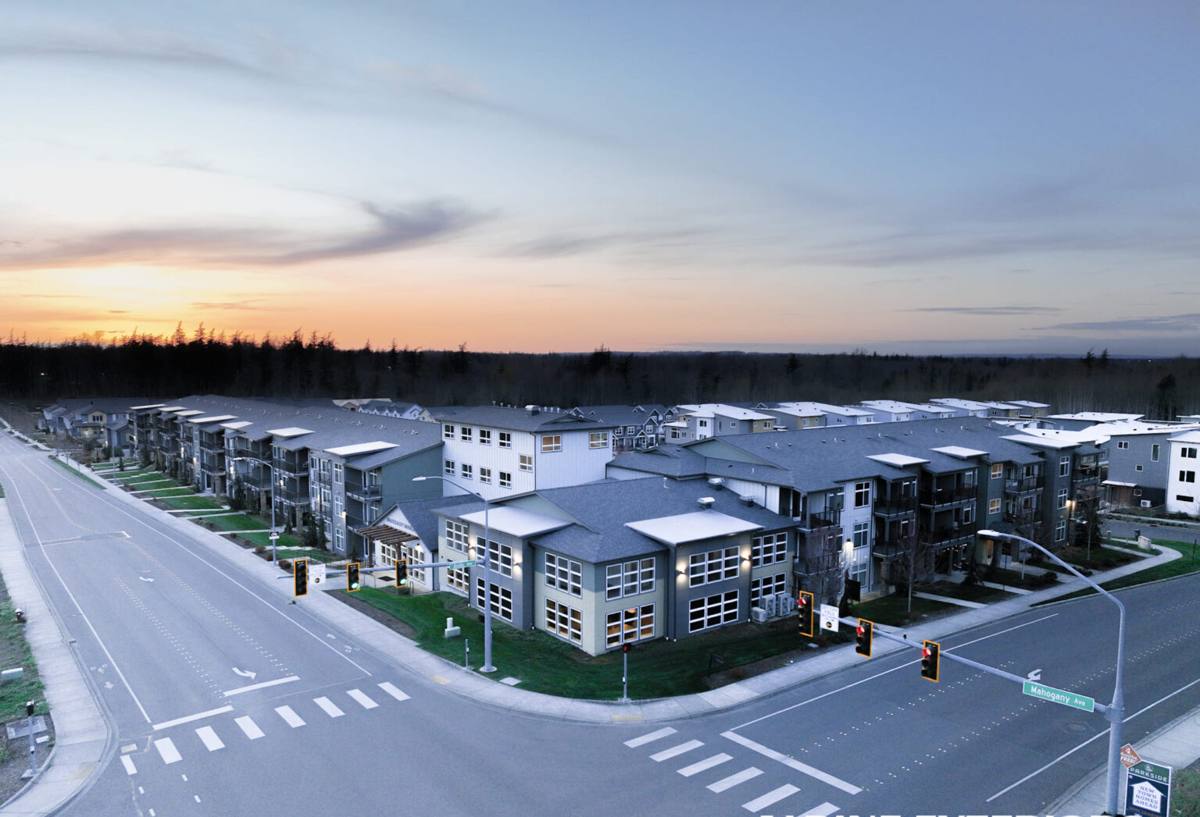
What Whatcom County's Climate Actually Does to a Roof
Bellingham sits in a marine climate zone, and Whatcom County gets a long, wet fall-through-spring stretch where roofs rarely get a real chance to dry out. A few specific things show up again and again on repair calls in neighborhoods like York:
- Moss and organic growth: Shaded roof sections, especially north-facing slopes or areas under tree cover, stay damp long enough for moss to establish. Moss holds moisture against shingles and roofing felt, and it lifts shingle edges as it grows, giving wind-driven rain a place to get underneath.
- Driving rain, not just rainfall totals: Bellingham's rain often comes sideways off wind gusts, which pushes water into laps, seams, and flashing details that would stay dry in a straight-down rain. This is why flashing failures are one of the most common repair calls we see.
- Salt air: Being close to the bay means metal roofing components — flashing, fasteners, vent boots with metal collars — corrode faster than they would further inland. Corrosion weakens the seal at exactly the points designed to keep water out.
- Freeze-thaw cycling: It's not Bellingham's harshest feature, but the occasional cold snap after a saturated stretch can expand trapped moisture in decking or underlayment, turning a small soft spot into a bigger one.
None of this is unique to York specifically, but the neighborhood's mix of tree cover and closer proximity to the water means several of these factors stack on the same roof at once.
The Most Common Repair Calls We See in This Area
Moss-Related Shingle Damage
Moss doesn't just look bad — it physically lifts shingle tabs and traps water against the granule surface, which accelerates wear. By the time you can see moss from the ground, it's usually been established long enough to have already loosened a shingle or two. Repair here means removing the growth correctly (not power-washing, which can strip granules and force water under shingles), replacing any shingles that have lost their seal, and addressing why that section stays wet — often a shade or airflow issue that no repair can fully solve, but that we can factor into materials and maintenance advice.
Flashing Failures
Flashing — the metal or composite material sealing roof penetrations, valleys, and roof-to-wall joints — is the single most common leak source we find that isn't obvious from the ground. Chimneys, skylights, plumbing vents, and where a roof meets a second-story wall are all flashing-dependent details. Salt air and age corrode metal flashing and degrade sealant faster than the shingles around it wear out, so a roof can look fine overall while a flashing joint is quietly letting water in.
Valley Wear
Valleys carry more water volume than any other part of a roof, since they collect runoff from two slopes at once. Combined with debris from nearby trees, valleys are prone to granule loss and, eventually, wear-through. This is a repair we catch often on inspections even before a homeowner has noticed an active leak.
Fastener and Nail Pops
Wood structures move seasonally with moisture, and roofing nails can back out over time — especially with lower-quality original installation. A popped nail creates a small puncture point that's an easy fix if caught early, but left alone it becomes a slow, hard-to-trace leak.
What a Correct Roof Repair Actually Involves
A roof repair done right isn't just sealing the spot where water is showing up inside. Interior water stains often appear several feet from the actual entry point, since water travels along the underlayment or decking before it drips through. Our process for a repair call typically includes:
- Full-roof visual inspection — not just the reported problem area, since one visible leak often means a second, quieter one is developing nearby under similar conditions.
- Tracing the water path — following staining, deck discoloration, or insulation dampness back to the actual entry point rather than assuming it's directly above the interior stain.
- Checking the decking — if plywood or sheathing underneath has gone soft from sustained moisture, that section needs to be addressed, not just covered over with new shingles.
- Repairing the actual failure point — replacing damaged shingles, resealing or replacing flashing, or clearing and rebuilding a worn valley, using materials matched to the surrounding roof where possible.
- Checking ventilation — poor attic airflow contributes to moisture buildup from the inside, which can look like a roof leak but originates from condensation. We flag this if we see it, even though it's a separate issue from the repair itself.
Repair vs. Replacement: How We Make That Call
Not every roof problem needs a full replacement, and we don't push one when a repair will genuinely solve the issue. The decision usually comes down to how localized the damage is and how much life is left in the rest of the roofing material.
| Factor | Points Toward Repair | Points Toward Replacement |
|---|---|---|
| Roof age | Under 15-18 years (asphalt shingle) | Approaching or past expected lifespan |
| Damage extent | Isolated to one section or detail | Widespread granule loss, curling, or multiple leak points |
| Decking condition | Solid, dry decking under the affected area | Soft or rotted decking in multiple areas |
| Shingle match availability | Matching or close-matching shingles available | Discontinued product, visible patchwork unavoidable |
| Underlying moss/moisture pattern | One shaded section, manageable with maintenance | Chronic moisture across most of the roof |
If we walk a roof and find the damage is contained and the structure underneath is sound, we'll say so and quote a repair. If we find the opposite, we'll explain exactly why — decking condition, shingle age, or the number of separate failure points — rather than just recommending the bigger job by default.
Why Local Experience Matters for This Kind of Work
A roofer who doesn't regularly work in Whatcom County can misdiagnose a lot of what shows up here. Moss growth patterns, the specific way salt air corrodes flashing near the water, and how tree cover in older neighborhoods like York changes drying time are all things you learn from doing the work locally, repeatedly — not from a general roofing background alone. We're familiar with the older roofing systems common on homes in this area, the typical pitch and construction styles, and the maintenance history that tends to come with them.
That familiarity changes the estimate you get. A crew that's diagnosed dozens of moss-related shingle failures in this exact climate isn't guessing at whether a section needs full replacement or a targeted repair — they've seen the pattern before.
What to Check Before You Call Anyone
A few things you can look for yourself, safely, from the ground or a ladder against a wall (never walk a wet or steep roof):
- Dark streaking or green growth on north-facing or shaded roof sections
- Granules collecting in gutters or downspout runoff — a sign of accelerated shingle wear
- Visible daylight or gaps around chimney or vent flashing from the attic, if accessible
- Water stains on ceilings, especially ones that appear or grow after a heavy wind-driven rain
- Sagging or uneven roof lines, which can indicate deck-level damage rather than a surface issue
If you notice any of these, it's worth getting a look before the next wet season sets in — small repairs now are almost always cheaper and less disruptive than what the same problem turns into after another winter.
Maintenance That Extends a Repair's Lifespan
A repair is only as good as the maintenance around it. For York-area homes specifically, we generally recommend:
- Keeping gutters and valleys clear of needles and leaf debris, which trap moisture against the roof surface
- Trimming back branches that keep a section of roof shaded and slow to dry
- A periodic moss treatment on shaded slopes before growth becomes established enough to lift shingles
- A visual check after major windstorms, since driving rain events are when marginal flashing or aging shingles tend to fail
None of this replaces a proper repair when something has actually failed, but it's what keeps a repaired roof from developing the same problem again in the same spot.
Get an Honest Look at What Your Roof Needs
If you're dealing with a leak, visible moss, or just want a second opinion on a roof's condition, we're happy to come take a look. There's no pressure and no obligation — just a straightforward estimate based on what we actually find on your roof, in your part of Bellingham. Use the form below to request a free estimate.