 Bellingham
 Windows Built for Barkley's Weather, Not Just Its View
Barkley homes deal with a specific combination of conditions: salt-tinged air moving in off Bellingham Bay, long stretches of driving rain through fall and winter, and a moss season that seems to start earlier every year and never fully lets go. None of that is dramatic on its own, but stacked together over years it is exactly the kind of slow, steady exposure that finds every weak point in a window installation — the seal that was never quite tight, the flashing that was cut short, the sill that was never sloped to shed water. Replacing windows here isn't just a cosmetic upgrade. It's an opportunity to correct decades of moisture pressure before it becomes a bigger problem in the wall cavity.
We install windows throughout Bellingham and Whatcom County, and Barkley's mix of older homes and newer construction gives us a good cross-section of what actually fails and what holds up. This page covers what a correct window installation looks like for this specific area, not a generic overview.
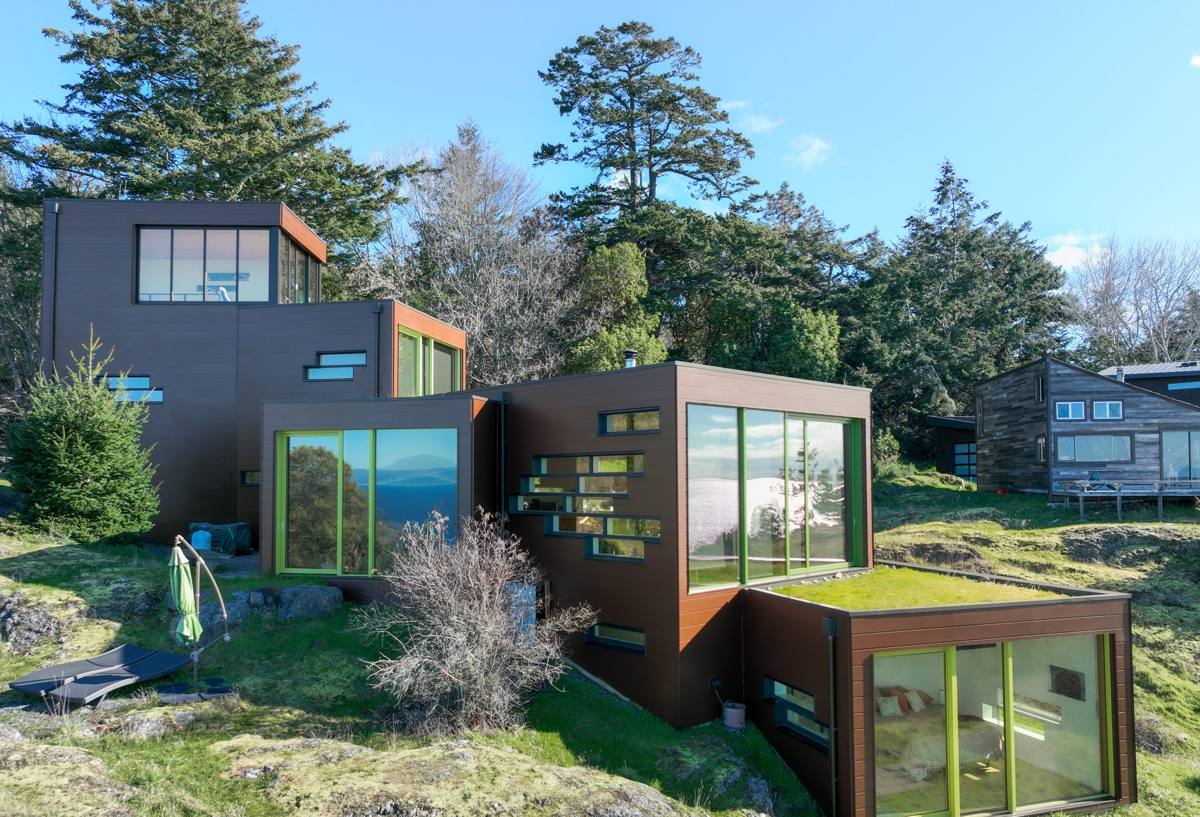
What Barkley's Climate Actually Does to a Window Installation
Salt Air
Proximity to the bay means airborne salt settles on exterior surfaces over time. It's not corrosive enough to eat through vinyl or fiberglass frames, but it accelerates the breakdown of unprotected metal hardware, cheaper aluminum components, and lower-grade finishes. It also means grime and residue build up faster on glass and frames than they would further inland, which matters when you're choosing finishes and hardware quality.
Driving Rain
Bellingham doesn't just get a lot of rain — a good portion of it comes in sideways during winter storms, driven by wind off the water. A window that would perform fine in a calmer climate can still leak here if the flashing and sill pan aren't detailed to handle rain that's being pushed horizontally into the wall, not just falling straight down. This is the single most common cause of window-related water intrusion we find in this area, and it's almost always an installation issue, not a product defect.
Moss and Sustained Dampness
Long moss season means extended periods where exterior surfaces stay damp — moss holds moisture against siding, trim, and window perimeters far longer than open air would. If a window's exterior trim and caulking aren't in good condition, that sustained dampness works its way toward the frame and sheathing underneath. It's a slow process, which is exactly why it goes unnoticed until there's visible damage.
Signs a Barkley Home Needs Window Attention
- Visible fogging or moisture between glass panes (failed seal)
- Soft or discolored trim, sill, or wall area directly below or around a window
- Persistent drafts even with the window fully latched
- Windows that are difficult to open, close, or lock — often a sign of frame warping or settling
- Moss or dark staining building up on the exterior trim around the window
- Noticeable outside noise that seems louder than it should be for the window's age
- Higher heating bills without another clear explanation
What a Correct Installation Involves
A window installation is only as good as the details most homeowners never see once the trim goes back on. For Barkley's conditions, we pay particular attention to:
Removal and Opening Inspection
Once the old window is out, we inspect the rough opening, sill, and surrounding framing for hidden rot or moisture damage before anything new goes in. Given the amount of driving rain this area sees, it's common to find some degree of moisture history around older window openings — catching it now is far cheaper than dealing with it later.
Sill Pan and Flashing
The sill pan and flashing are what actually direct water away from the opening if any gets past the exterior seal — and in a driving-rain climate, some water getting past the surface seal over time is a when, not an if. We install a proper sloped sill pan and integrate flashing with the surrounding weather-resistive barrier so water sheds outward instead of pooling at the bottom of the frame.
Air and Water Sealing
Backer rod and quality sealant at the right joints, low-expansion foam or insulation in the gap between the frame and rough opening, and correct shimming so the window isn't relying on caulk alone to stay weathertight. This is where corners get cut on rush jobs, and it's the first thing that fails under sustained wind-driven rain.
Exterior Trim and Finish
Trim detail matters more here than in drier climates because it's the first line of defense against both rain and moss buildup. We finish trim in a way that sheds water cleanly and doesn't create ledges or joints where moisture and debris can sit.
Choosing the Right Window for This Area
Frame material and glass package both affect how a window holds up here. We talk homeowners through trade-offs honestly rather than pushing whatever has the best margin.
| Frame Material | How It Handles Local Conditions | Maintenance |
|---|---|---|
| Vinyl | Good moisture resistance, doesn't corrode from salt air, budget-friendly | Low — occasional cleaning |
| Fiberglass | Excellent dimensional stability in temperature and moisture swings, holds paint well | Low |
| Wood | Classic appearance but needs diligent upkeep in a wet, mossy climate or it will suffer | High — regular painting/sealing |
| Wood-clad | Wood interior warmth with a weather-resistant exterior shell | Moderate |
| Aluminum | Slim sightlines but prone to condensation and more susceptible to coastal corrosion without upgraded hardware | Moderate to high |
For most Barkley homes, we steer toward vinyl or fiberglass for the frame, paired with a dual-pane, low-E glass package. Wood-frame windows can absolutely work here, but we're upfront that they demand a maintenance commitment that vinyl or fiberglass simply doesn't — in a climate with this much sustained dampness, deferred maintenance on wood shows up faster than it would somewhere drier.
Glass and Performance Options
Beyond frame material, a few glass and hardware choices make a real difference in this climate:
- Low-E coatings reduce heat loss in winter and heat gain in summer, and pay for themselves over time on heating costs
- Argon or krypton gas fill between panes improves insulation without adding cost to the frame
- Warm-edge spacers reduce condensation risk at the glass edge, which matters in a climate with frequent temperature and humidity swings
- Corrosion-resistant hardware — worth specifying given the salt content in the air this close to the bay
- Tighter air-infiltration ratings help offset the drafts driving rain and wind can exploit at a poorly sealed unit
Our Process for Barkley Window Projects
- On-site assessment — we look at existing windows, note any signs of moisture or rot, and measure openings
- Product recommendation — honest guidance on frame material and glass package for your home's exposure and budget
- Written estimate — clear scope, timeline, and pricing before any work begins
- Removal and opening inspection — old windows come out, framing gets checked
- Installation — sill pan, flashing, air sealing, and the new window set plumb, level, and square
- Exterior finish — trim and sealant detailed to shed water and resist moss buildup
- Final walkthrough — we check operation, sealing, and answer any questions before we consider the job done
Why Hire a Crew That Already Works This Neighborhood
Window installation looks similar on paper everywhere, but the details that actually matter shift with the climate. A crew that mostly works drier inland areas may not think twice about flashing detail that's non-negotiable here, or may not flag moss-related trim damage because it's simply not something they see often. Working regularly in Bellingham and around Whatcom County means we're used to designing installations around driving rain and coastal moisture rather than treating it as an edge case. That translates into fewer callbacks and windows that are still performing well a decade or two down the road, not just on install day.
Timing Your Window Project
Window installation can happen most of the year here, but there are practical considerations. Drier stretches in late spring through early fall make for faster, cleaner installs with less risk of weather delays. Winter installs are absolutely doable — we take precautions to keep openings protected during the swap — but scheduling around a break in the rain when possible just makes the whole process smoother. If you're noticing drafts or moisture issues now, it's worth getting on the schedule rather than waiting, since a compromised seal only lets in more moisture the longer it sits through a Bellingham winter.
If you're seeing drafts, fogged glass, sticking sashes, or moss creeping up around your window trim, it's worth having a local crew take a look. We offer free, no-pressure estimates for Barkley homeowners — use the form below to get started.