 Bellingham
 Metal Roofing Built for Barkley's Weather, Not Just Its Curb Appeal
Barkley is one of Bellingham's newer, more established planned neighborhoods — a mix of single-family homes, townhomes, and mixed-use streets that have grown up over the past couple of decades. Roofs here face the same weather every home in Whatcom County faces: months of steady rain, salt-laden air drifting in off Bellingham Bay, and long stretches of shade and dampness that keep moss and moisture active nearly year-round. Metal roofing has become a popular answer for homeowners in this area because it's built to shed water fast, resist the moss buildup that eats away at other materials, and hold its finish through decades of marine-influenced weather. But "metal roofing" covers a wide range of products and installation quality, and getting it right in this specific climate takes more than ordering panels and screwing them down.
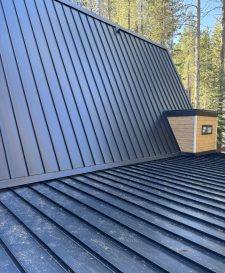
What Bellingham's Climate Actually Does to a Roof
Before talking about materials, it helps to understand what a Barkley roof is up against. This isn't abstract — it's the reason certain roofing choices hold up here and others fail early.
Salt Air
Bellingham sits close enough to the water that airborne salt is a real factor, especially for roofs that face open exposure. Salt air accelerates corrosion on unprotected metal, degrades cheap fasteners, and slowly breaks down lower-grade coatings faster than the same materials would wear inland. Any metal roofing system installed in this area needs to be rated and finished for coastal-adjacent exposure, not just "standard" conditions.
Driving Rain
Whatcom County doesn't just get rain — it gets sustained, wind-driven rain that pushes water sideways and upward under flashing, into laps, and around penetrations that would stay dry in a calmer climate. A roof that isn't detailed correctly at valleys, chimneys, vents, and wall transitions will eventually leak here, even if the field of the roof looks fine.
Moss Season
Between the shade, the moisture, and the mild temperatures, moss has a long growing season in Bellingham — often close to year-round on north-facing or heavily shaded sections of a roof. Moss holds moisture against roofing material, works into seams, and on the wrong substrate can shorten a roof's life by years. Metal roofing resists moss far better than asphalt shingles or wood shakes, but it isn't immune, and panel design and installation detail make a real difference in how well a roof sheds debris and stays dry.
Why Metal Roofing Fits This Neighborhood
For Barkley homeowners weighing roofing options, metal has a few genuine advantages that line up directly with local conditions:
- Steep water shed reduces the standing moisture that feeds moss and algae growth
- Non-porous surface gives moss and lichen far less to grab onto compared to shingles
- Coated steel and aluminum panels are built to handle coastal humidity and salt exposure when specified correctly
- Long service life reduces how often a roof needs to be touched, which matters on multi-story or steep-pitch homes
- Class A fire rating and strong wind performance, both relevant during dry summer stretches and winter storm systems
None of that means metal roofing is maintenance-free or foolproof. It means the material gives you a better starting point — the installation still has to be done correctly to actually deliver on it.
Comparing Metal Roofing Panel Types
Not every metal roof system is the same, and the right choice depends on the home's roof pitch, architectural style, and budget. Here's how the common options compare for a home in this climate:
| Panel Type | Best For | Climate Performance | Relative Cost |
|---|---|---|---|
| Standing Seam (concealed fasteners) | Most home styles, especially where long-term water tightness matters most | Excellent — raised seams shed driving rain and resist wind uplift well | Higher |
| Exposed-Fastener Panel | Simpler rooflines, garages, secondary structures | Good, but exposed fasteners are the first thing to fail in salt air if not high-quality and properly gasketed | Lower to mid |
| Stone-Coated Steel | Homeowners wanting a shake or tile look with metal durability | Good moss resistance; coating and fastener quality still matter in coastal air | Mid to higher |
| Aluminum Panels | Homes closest to the water or with heavier salt exposure | Excellent corrosion resistance since aluminum doesn't rust | Higher |
For most Barkley homes, standing seam steel with a quality coastal-rated finish is the workhorse choice — it balances cost, appearance, and long-term performance well. Homes with more direct exposure to the water or unusually high salt drift are worth discussing aluminum, even at the higher upfront cost.
What a Correct Metal Roof Installation Actually Involves
The panels get the attention, but most metal roof failures we're called to look at trace back to what's underneath and around them, not the metal itself.
Underlayment
A high-temperature-rated synthetic underlayment, installed as a full secondary water barrier, is non-negotiable in a climate with this much sustained rain. It's the backup system that protects the deck if wind-driven water ever gets past the panel laps.
Flashing and Penetrations
Valleys, chimneys, skylights, vent pipes, and wall-to-roof transitions are where driving rain finds its way in. Flashing has to be formed and layered correctly — not just caulked — so water is directed out and away rather than sealed in place and trusted to a bead of sealant that will eventually fail.
Fasteners and Hardware
In a salt-air environment, fastener quality is not a place to cut corners. That means coated or stainless hardware rated for coastal exposure, correctly torqued so gaskets seal without over-compressing, and a fastening pattern that accounts for local wind loads.
Ventilation
Metal roofs perform best with proper attic or roof-deck ventilation. Poor airflow traps moisture underneath the panels, which can lead to condensation problems that have nothing to do with the roof surface itself and everything to do with what's happening beneath it.
Our Process, Start to Finish
Every Barkley metal roofing project runs through the same steps, in this order, so nothing gets rushed or skipped:
- On-site assessment — we walk the roof, check the deck condition, existing ventilation, and any problem areas (valleys, chimneys, past leak history) before recommending a system.
- Written estimate — a clear scope covering panel type, underlayment, flashing details, and hardware, so there's no ambiguity about what's included.
- Tear-off and deck inspection — old roofing is removed and the deck is checked for rot or damage before anything new goes down; problems get flagged and addressed, not covered up.
- Underlayment and flashing installation — the water management layer goes in first and gets the same attention as the visible metal.
- Panel installation — panels are installed to manufacturer spec with attention to seam alignment, fastening pattern, and expansion allowance.
- Final walkthrough — we review the completed roof with you, cover care basics, and make sure everything matches what was scoped.
Maintenance and Moss Prevention
Metal roofing needs far less upkeep than shingles or shakes, but "less" isn't "none," especially in a climate that stays damp and shaded through much of the year. A short annual checklist keeps a metal roof performing the way it should:
- Clear leaves, needles, and debris from valleys and gutters, especially after fall storms
- Rinse off moss or algae buildup on shaded slopes before it has a chance to establish and hold moisture
- Check that gutters and downspouts are draining freely — backed-up water at the eaves is a common source of hidden problems
- Look over flashing around chimneys, vents, and skylights for any sealant that's cracked or pulled away
- Trim back overhanging branches that keep sections of the roof shaded and slow to dry
What Metal Roofing Costs to Expect
Pricing depends on roof size, pitch, panel type, and how much flashing and detail work the roof requires. Rather than quoting a single number that won't hold up across different homes, here's what actually moves the price:
| Cost Factor | Why It Matters |
|---|---|
| Panel type and material | Standing seam and aluminum cost more than exposed-fastener steel, but often pay it back in longevity and lower maintenance |
| Roof pitch and complexity | Steep or multi-plane roofs take longer to detail correctly and require more flashing work |
| Deck condition | Rot or damage found during tear-off adds repair cost but prevents a much bigger problem later |
| Tear-off vs. overlay | A full tear-off costs more upfront but gives an honest look at the deck and underlayment, which matters most in a wet climate |
| Ventilation upgrades | Adding or correcting attic ventilation protects the new roof and can prevent moisture issues down the line |
Why a Crew That Already Knows Barkley Matters
Roofing crews that work regularly in this neighborhood and the wider Bellingham area understand how the local weather actually behaves on a roof over time — which slopes hold moss longest, how driving rain moves during a real Whatcom County storm, and what flashing details tend to fail first in salt-influenced air. That's different from general roofing experience picked up somewhere drier or inland. It also means faster, more accurate estimates, because we're not guessing at local conditions — we've seen how they play out on roofs like yours.
If you're weighing a metal roof for your Barkley home, we're happy to walk the roof, talk through honest options for your budget and roofline, and put together a clear, no-pressure estimate using the form below.