 Bellingham
 Custom Windows for the Columbia Neighborhood
Columbia is one of Bellingham's older, tree-shaded neighborhoods, and a lot of the housing stock reflects that — mid-century ramblers, older bungalows, and a mix of remodels layered on top of original construction. Windows in homes like these were often built for a different era of energy codes and a different set of expectations. When we get called out to a Columbia home for window work, it's rarely just about looks. It's usually about a window that's fogging between the panes, a sash that won't stay open, a sill that's gone soft, or a homeowner who's tired of feeling a draft every time the wind comes off Bellingham Bay.
This page is specifically about custom window work in Columbia — not a generic rundown of window brands. We'll walk through what this climate does to windows over years, what a correctly done installation actually involves, how our process works, and why it matters to hire a crew that already knows this part of Bellingham.
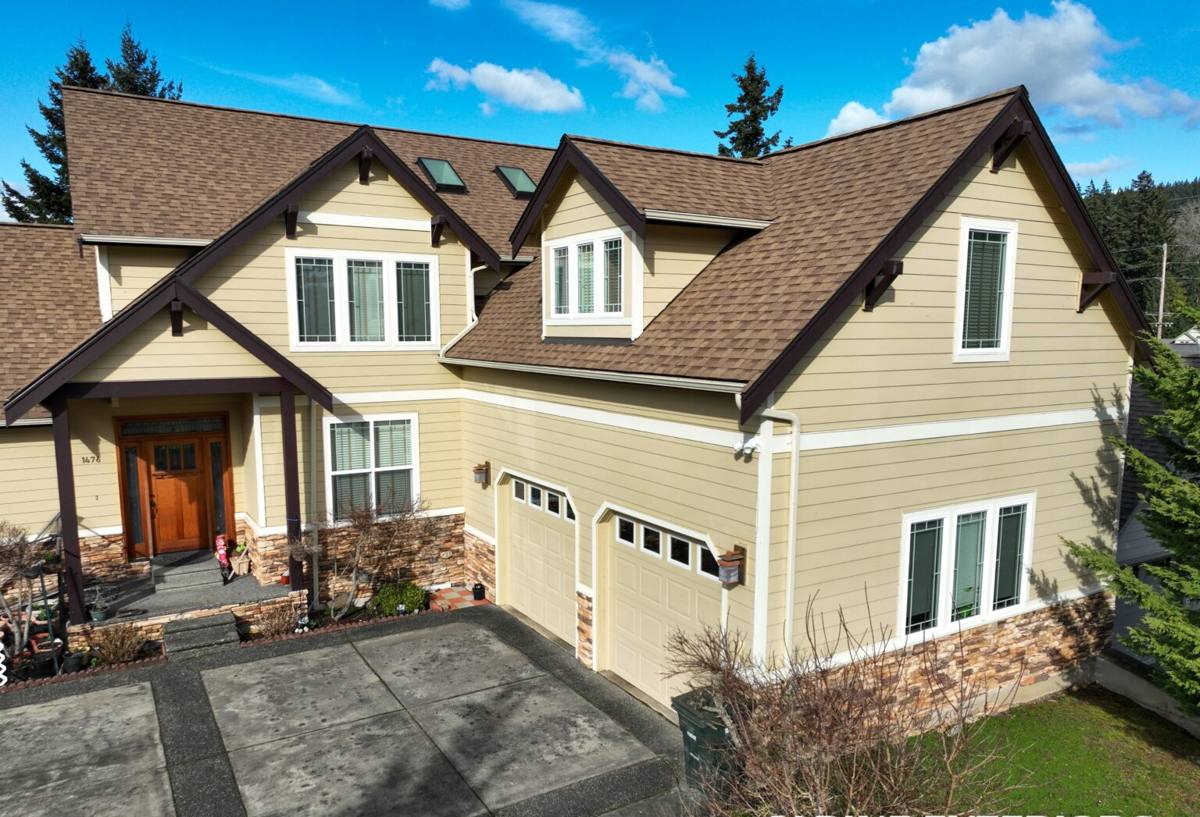
What Whatcom County's Climate Does to Windows Over Time
Bellingham sits close enough to the water that salt-laden air is a real factor, even inland into neighborhoods like Columbia. Add in driving rain that comes in sideways during winter storms, and a moss season that stretches for much of the year in the shaded, damp pockets common around Columbia's mature trees, and you have three separate stresses working on a window at once.
Salt Air and Metal Components
Salt air accelerates corrosion on window hardware — hinges, balances, locks, and screen frames — faster than most homeowners expect. Lower-grade hardware can start sticking or pitting years before the glass or frame shows any wear, which is one reason we pay attention to hardware quality, not just glass and frame material, when we spec a replacement window for this area.
Driving Rain and Water Intrusion
Wind-driven rain doesn't just hit a window head-on — it gets pushed sideways and upward into gaps that a light rain would never reach. Older installations that relied on caulk alone, without proper flashing behind the trim, are especially vulnerable. Over time, water finds its way behind the exterior casing and into the wall cavity, and by the time it shows up as a stain on interior drywall or trim, there's often been damage building for a while.
Moss and Shaded, Damp Conditions
Columbia's tree cover is part of its character, but shade means moisture sits longer on sills, trim, and the tops of window frames before it dries. Moss and algae take hold in those damp, shaded spots, and if it's allowed to spread onto wood trim or sit against a compromised seal, it holds moisture against the material and speeds up rot. It's a slower problem than a leak, but it's a steady one.
Signs a Columbia Home's Windows Need Attention
Most window problems don't announce themselves with a dramatic leak. They show up as small annoyances that get worse over a few winters. Common signs we see on service calls in this neighborhood include:
- Fogging or a milky haze between the panes of a double-pane window — a sign the seal has failed and the gas fill is gone
- Windows that are noticeably harder to open, close, or lock than they used to be
- Visible gaps, cracked caulk, or soft wood around the exterior trim
- A draft you can feel standing near the window on a windy day
- Condensation forming on the inside of the glass regularly, especially in winter
- Discoloration, staining, or a slightly spongy feel to interior sills or the wall below the window
- Visible moss, algae, or green staining on exterior trim or sills
Any one of these on its own might not be urgent. Several at once, especially on a window that's original to an older Columbia home, usually means it's time for a real evaluation rather than another round of caulk and paint.
What a Correct Window Job Actually Involves
Custom window work is not simply popping an old sash out and a new one in. Done right, it's a sequence of steps where skipping any one of them is exactly how water intrusion problems start two or three years later, quietly, behind the trim.
Assessment Before Anything Is Ordered
We start by looking at the actual wall assembly around the window — what kind of siding is involved, whether there's existing rot, how the window is currently flashed, and what the rough opening looks like once trim is pulled back. This determines whether a job is a straightforward insert replacement or a full frame-out replacement, which changes both scope and cost.
Flashing and Weatherproofing
This is the part that doesn't show once the job is done, and it's the part that matters most in a climate like this one. Correct flashing means water that gets behind the exterior cladding has a clear path back out, rather than a place to collect. Sill pans, proper head flashing, and correctly lapped house wrap or building paper all matter here — this is where driving rain either gets managed or gets in.
Air Sealing and Insulation
The gap between the window frame and the rough opening needs to be sealed with the right materials — not overfilled with expanding foam that can bow a frame, and not left with gaps that undercut the window's actual performance. This step is where a lot of a window's real-world energy performance is decided, more than the glass package alone.
Interior and Exterior Finish
Trim, caulking, and paint or stain are the last line of defense and the first thing anyone sees. We match reveal lines and trim profiles to the rest of the house so a replacement window doesn't look like an obvious patch job.
Choosing Materials for This Climate
There's no single "best" window material — the right choice depends on the home, the budget, and how much maintenance a homeowner actually wants to do. For Columbia's mix of salt-influenced air, heavy rain, and shade-driven moss, here's how the common options stack up:
| Material | Moisture & Salt Air Behavior | Maintenance | Typical Fit |
|---|---|---|---|
| Vinyl | Won't rot or corrode; performs well against salt air and rain | Low — occasional cleaning | Budget-conscious replacements, rental or rambler-style homes |
| Fiberglass | Very stable in wet, temperature-swinging conditions; strong seal retention | Low | Homeowners wanting a longer-term, higher-performance option |
| Wood-clad | Good if properly detailed, but the exterior cladding must fully protect the wood core from driving rain and shaded moisture | Moderate — cladding needs periodic inspection | Older or higher-end homes where interior wood look matters |
| Aluminum | Prone to condensation and slower to insulate unless thermally broken; can corrode faster in salt-influenced air without a quality finish | Moderate to high | Specific architectural situations, generally not our first recommendation here |
We don't push one material on every home. What we do insist on is being straightforward about the trade-offs — a wood-clad window can look great in a Columbia bungalow, but only if the cladding and flashing detail are done correctly, because this climate will find any weakness in that system eventually.
Our Process, Start to Finish
1. On-Site Evaluation
We look at the actual windows in question, check for hidden moisture or rot, and talk through what the homeowner actually wants — better performance, easier operation, a different look, or all three.
2. Honest Scope and Estimate
We tell you whether you're looking at a simple insert replacement or something that requires opening up the wall. We'd rather flag a bigger scope up front than have it turn into a surprise mid-project.
3. Ordering and Scheduling
Custom sizes take lead time. We schedule the install to avoid, where possible, stretches of the wettest weather, since an open rough opening needs to be weathered-in quickly.
4. Removal and Inspection
Once the old window is out, we inspect the rough opening for rot or prior water damage before anything new goes in. This is often where hidden problems from years of driving rain finally get addressed.
5. Installation and Weatherproofing
Flashing, air sealing, and the new window go in per manufacturer specification, adjusted for what the wall assembly actually needs — not a one-size-fits-all approach.
6. Finish and Walkthrough
Interior and exterior trim work is completed, the window is tested for smooth operation and a tight seal, and we walk the homeowner through the finished work before we call it done.
Why a Crew That Already Works in Columbia Matters
Window performance is tied directly to how well a house is protected from wind-driven rain and salt-influenced air — and those conditions vary block to block depending on tree cover, sun exposure, and how exposed a home is to weather off the water. A crew that regularly works Columbia and the surrounding Bellingham neighborhoods has already seen how different lots in the area behave — which sides of a house take the worst of the wind, which yards stay shaded and damp long into the afternoon, and where moss tends to build up fastest.
That familiarity shows up in small decisions during a job: how a sill pan is detailed, whether extra attention goes to a north-facing wall that never fully dries out, or how trim is finished to hold up against a shaded, moss-prone exterior. It's the difference between a window installed correctly on paper and one installed correctly for this specific climate and this specific neighborhood.
Maintenance That Actually Extends Window Life Here
Even a well-installed window benefits from basic upkeep in a climate like Whatcom County's. A short seasonal routine goes a long way:
- Rinse salt residue and grime off exterior glass and frames a couple of times a year, especially on sides facing open exposure
- Clear moss, leaves, and debris from sills and tracks before they hold moisture against the frame
- Check and re-caulk any cracked or gapped exterior sealant before winter rains set in
- Operate every window through its full range a few times a year so hardware doesn't seize from disuse
- Watch for early condensation between panes as an early sign of seal failure, not just a cosmetic issue
- Keep gutters and downspouts clear so overflow isn't running down the wall directly above a window
What Drives Cost on a Custom Window Project
Every home and every window opening is different, so we won't quote a number without seeing the job. What we can walk through are the factors that typically move a project up or down in scope:
| Factor | Why It Matters |
|---|---|
| Insert vs. full-frame replacement | Full-frame work involves more labor, more materials, and more attention to flashing and structure |
| Hidden rot or prior water damage | Discovered once trim is opened up; common in older Columbia homes with aging flashing |
| Window size and configuration | Custom shapes, larger openings, and multi-panel units cost more than standard sizes |
| Material choice | Vinyl, fiberglass, and wood-clad carry different material and installation costs |
| Number of openings | Whole-house projects typically bring a better per-window cost than a single window |
| Site access and trim complexity | Older or more detailed trim work takes more time to match and finish correctly |
Ready for a Straightforward Look at Your Windows
If you're in the Columbia neighborhood and dealing with windows that fog, stick, draft, or just look tired, we're glad to come take an honest look. No pressure, no upsell script — just a clear read on what's actually going on and what it would take to fix it right for this climate. Fill out the form below to schedule a free estimate.