 Bellingham
 Building a Deck That Actually Holds Up in Lynden
Lynden gets less big-city fanfare than downtown Bellingham, but the weather doesn't care about zip codes. Decks out here deal with the same long, wet Whatcom County winters, the same low gray stretches where a deck surface might not fully dry out for days at a time, and the same moss pressure that builds up on anything shaded or north-facing. A deck built the way it might be built in Phoenix or even Spokane simply won't last here. The wood, the fasteners, the framing details, and the drainage all have to be chosen with our specific climate in mind, not a national average.
That's the difference between a deck that looks good for one summer and a deck that's still solid, safe, and worth using in fifteen years. We build decks in and around Lynden the way the climate demands — not the way a mail-order plan set from a warmer, drier region assumes.
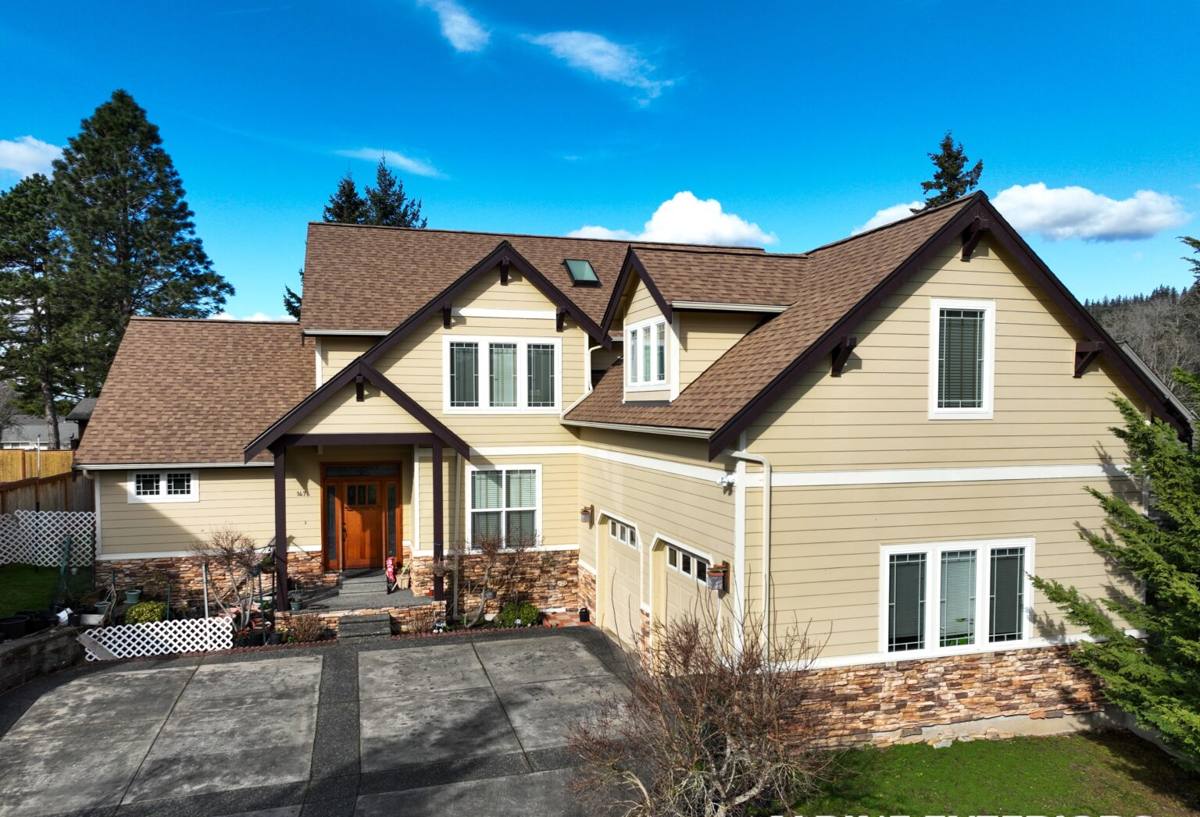
What Whatcom County Weather Does to a Deck Over Time
Moisture That Doesn't Let Up
The driving rain and long stretches of overcast, damp weather common to this part of Washington mean a deck spends a lot of the year at or near full moisture saturation. Untreated or poorly finished wood soaks that up, swells, and eventually cups, splits, or rots — usually starting at the spots where water sits longest: end grain, joist tops, and anywhere two boards meet tightly.
Moss Season Is Longer Than You Think
Whatcom County's moss season isn't a two-month nuisance — it's closer to eight or nine months on shaded or poorly-drained surfaces. Moss holds moisture directly against decking and framing, and it's not just cosmetic. A mossy deck board stays wet longer than a clean one, which accelerates rot underneath even if the top surface looks fine at a glance.
Marine-Influenced Air Reaches Inland
Lynden sits inland from Bellingham Bay, but the broader marine-influenced climate of Whatcom County still means persistently humid air and minimal dry-out windows compared to drier parts of the state. Metal fasteners, connectors, and hardware that aren't rated for damp, humid exposure corrode faster here than their spec sheets might suggest for a "typical" installation.
Choosing the Right Decking Material for Lynden's Climate
There's no single "best" decking material — there's the right material for your budget, your maintenance appetite, and how exposed the deck is to sun, shade, and rain. Here's how the common options actually perform under our conditions:
| Material | How It Handles Our Wet Climate | Maintenance Reality |
|---|---|---|
| Pressure-treated pine/fir | Good rot resistance if properly sealed; still moves seasonally with moisture | Needs re-staining/sealing every 2-3 years to hold up long-term |
| Cedar | Naturally rot- and insect-resistant; ages well with our rainfall pattern | Needs periodic oiling or sealing to prevent graying and moss uptake |
| Composite decking | Doesn't absorb water like wood; resists rot; can still support surface moss/mildew growth if not cleaned | Low maintenance overall, but not zero — needs periodic washing |
| PVC/capped composite | Fully moisture-resistant surface; performs well in shaded, damp spots | Least maintenance of the options; higher upfront cost |
For a shaded, north-facing deck common on many Lynden lots, we usually steer people toward composite or capped composite if moss and mildew have been a recurring headache with a previous wood deck. For a sunnier, more open site, a well-sealed cedar or treated wood deck can perform just as well for a lower upfront cost — as long as the maintenance actually happens on schedule.
Framing and Structure: Where Most Deck Problems Actually Start
Homeowners tend to focus on the decking boards because that's what they see and stand on. But the framing underneath is what determines whether a deck is safe and long-lived. In our climate, we pay particular attention to:
Ledger Attachment
The ledger board — where the deck attaches to the house — is the single most common failure point on decks nationally, and wet climates make it worse. Proper flashing, correct fastener spacing, and a real structural connection (not just nails into siding) are non-negotiable.
Joist Protection
Joist tops are where standing water does the most damage over time. We use joist tape or an equivalent moisture barrier on framing members so water sheds off rather than soaking into end grain and fastener holes.
Post Bases and Ground Contact
Any wood-to-concrete or wood-to-soil contact point is a rot risk in a climate that stays damp most of the year. Elevated post bases that keep wood off concrete, combined with the right ground-contact-rated lumber where it's unavoidable, matter more here than in drier states.
Fastener and Hardware Selection
Standard galvanized hardware can corrode faster than expected under sustained damp conditions, especially in contact with treated lumber's chemical makeup. We use fasteners and structural connectors rated for the combination of treated wood and prolonged moisture exposure, not just whatever's cheapest at the hardware store.
Drainage and Moss Prevention Built Into the Design
You can't eliminate rain or shade, but you can design a deck so water and moss don't have anywhere convenient to take hold.
- Proper board spacing so water drains through rather than pooling on the surface
- Slight slope away from the house on any low-clearance or ground-level deck
- Under-deck drainage or grading so the space below stays dry, not a standing-water problem
- Avoiding tight board-to-board contact in shaded areas where moss gets a foothold fastest
- Keeping vegetation and overhanging branches trimmed back from the deck perimeter to cut down on shade and debris buildup
None of this is exotic. It's just paying attention to how water actually moves across and under a deck in a climate where it rains more often than it doesn't, for months at a stretch.
Permits and Local Considerations for a Lynden Deck
Deck projects above a certain size or height typically require a permit, and inspection requirements can vary depending on whether your property falls under City of Lynden jurisdiction or unincorporated Whatcom County. Frost depth for footings, setback requirements, and railing height codes all get checked during inspection — and getting these wrong means tearing out work and redoing it. We handle the permitting and inspection coordination as part of the job so you're not the one chasing down requirements or explaining code to an inspector.
Our Deck-Building Process
1. On-Site Assessment
We look at sun exposure, shade patterns, drainage on your specific lot, and how the deck will actually be used before recommending a material or layout.
2. Design and Material Selection
We walk through the material comparison honestly — including the maintenance commitment each option requires — so you're choosing based on real trade-offs, not just what looks nicest in a brochure.
3. Permitting
We pull the necessary permits and schedule required inspections so the structure is verified safe and code-compliant, not just built to look right.
4. Framing and Construction
Structural work first — ledger, footings, framing, moisture protection — because that's the part nobody sees later but everyone depends on.
5. Decking, Railing, and Finish Work
Surface material installation, railing, stairs, and any sealing or finishing the material requires before it's ready for use.
6. Walkthrough
We go over the finished deck with you, including what maintenance it actually needs and on what schedule, so there are no surprises two years in.
Keeping a Lynden Deck in Good Shape Year After Year
A well-built deck still needs some upkeep in this climate. Here's a realistic maintenance checklist for the years after installation:
- Sweep debris and standing water off the surface regularly, especially in fall
- Clean moss and algae off the deck surface and railings at least once a year, more often in heavily shaded spots
- Re-seal or re-stain wood decking on the schedule appropriate to the material — typically every 2-3 years
- Check under-deck drainage and clear any debris blocking water flow
- Inspect fasteners, connectors, and railing attachment points annually for corrosion or loosening
- Trim back vegetation encroaching on the deck to reduce shade and moisture retention
Why It Matters to Hire a Crew That Already Works in Lynden
A deck contractor who mostly works in a drier climate, or who treats every job with the same generic spec regardless of region, is going to underbuild for what Whatcom County weather actually does over a decade. We build decks around here regularly, which means we're not guessing about how much moss pressure a shaded north wall gets, how fast standard hardware corrodes under sustained rain, or which materials actually hold up versus which ones just look fine in the showroom. That local, repeated experience shows up in the details — the ones you don't notice until they either hold up or fail.
If you're planning a new deck or replacing one that's showing its age, we're happy to come take a look and give you a straightforward, no-pressure estimate — just fill out the form below.