 Bellingham
 Storm Damage Roof Repair for Lynden Homes
Lynden sits out on the open, flat farmland of northern Whatcom County, which means roofs here take weather straight on with very little to break it up. When a Pacific storm system rolls through, wind gusts move across those fields with nothing to slow them down, and rain gets driven sideways into fascia, flashing, and shingle edges instead of falling straight down. Add in the salt-laden marine air that moves inland off the Salish Sea and a moss season that can run eight or nine months out of the year, and you've got a roof that's working hard even in a "normal" winter. When an actual windstorm or heavy rain event hits, small weaknesses that were already there — a lifted shingle tab, a soft spot in old flashing, moss holding moisture against the deck — turn into real leaks fast.
This page is about one thing: repairing storm-damaged roofs on Lynden homes correctly, not just patching the visible problem and hoping it holds through the next system.
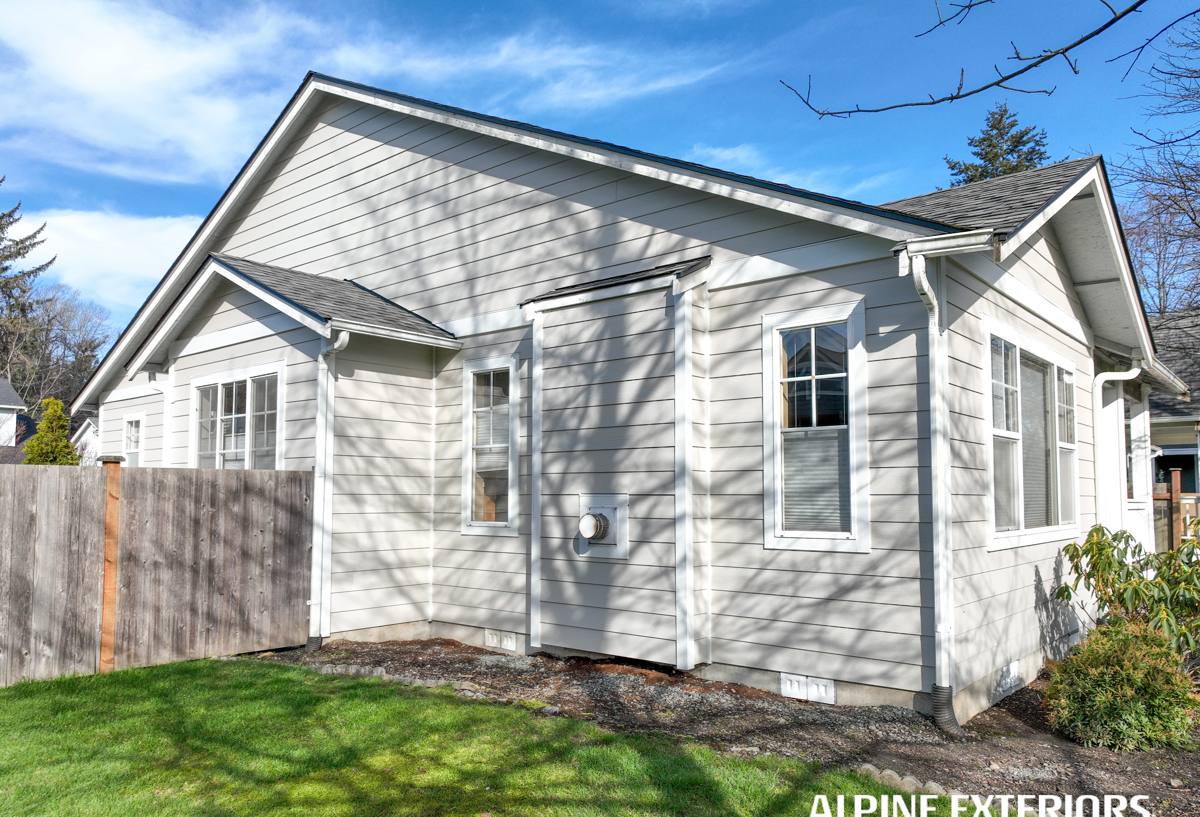
How Whatcom County Storms Actually Damage a Roof
Most storm damage isn't dramatic. It's rarely a tree through the roof — it's usually smaller and easier to miss, which is exactly why it causes trouble later.
Wind Damage
Sustained wind and gusts lift shingle tabs, break the seal strips that hold them flat, and can crease or tear shingles outright. Once a tab is lifted even slightly, the next rain gets underneath it, and the seal rarely re-adheres on its own — especially in cooler months when asphalt shingles don't soften enough to reseal.
Wind-Driven Rain
Rain that's moving sideways instead of falling straight down finds its way past standard laps and into places roofs aren't built to handle water: under ridge caps, around vent boots, along step flashing at chimneys and walls, and at valleys where two roof planes meet.
Moss and Prolonged Moisture
Storms don't just hit and leave — they leave behind saturated moss, wet debris, and standing water in low spots. In Lynden's damp, mild winters, moss can hold that moisture against the roof deck for weeks, which softens shingles, corrodes exposed fasteners, and creates rot in the decking underneath long before a homeowner ever sees a stain on the ceiling.
Debris Impact
Branches, gutter debris, and airborne fence or shed material during a windstorm can crack shingles, dent metal flashing, and knock granules loose, which shortens the roof's remaining life even where there's no visible leak yet.
Signs a Lynden Roof Has Storm Damage
Some damage is obvious from the ground. A lot of it isn't, which is why we recommend a look after any significant windstorm — not just when a leak shows up inside.
- Missing, cracked, or curled shingles, especially near ridges and edges where wind uplift is strongest
- Granules collecting in gutters or at downspout outlets after a storm
- Bent, lifted, or missing flashing around chimneys, skylights, and wall intersections
- Sagging or soft-feeling spots when walking the roof, which can mean saturated decking
- New water stains, discoloration, or a musty smell in the attic or on ceilings
- Daylight visible through the roof deck from inside the attic
- Moss buildup that's thicker on one side or in valleys, holding visible moisture
- Gutters pulling away from the fascia or overflowing during rain
Any one of these on its own might be minor. Two or three together, especially after a wind event, usually means it's time for an actual inspection rather than a guess from the ground.
What a Correct Storm Repair Actually Involves
A lot of storm "repairs" amount to swapping a few visible shingles and calling it done. That fixes what you can see but not necessarily what caused the leak. A correct repair works from the deck out:
Deck Inspection
Before anything gets replaced on top, we check the roof decking underneath the damaged area for soft spots, rot, or delamination. Storm damage that's gone unnoticed for a while often means the plywood itself needs attention, not just the roofing material.
Underlayment and Flashing
Wind-driven rain problems are usually a flashing or underlayment issue, not just a shingle issue. We check step flashing, counter-flashing, valley metal, and vent boots — these are the parts that actually stop water, and shingles alone won't cover for a flashing failure.
Matching Materials
Where shingles are being replaced rather than the whole roof, we match the existing material as closely as possible for color, profile, and age-appropriate blend, so the repair doesn't stand out as an obvious patch.
Moss and Debris Clearing
Since moss is a major contributor to moisture damage in this area, a real repair includes clearing moss and debris from the repair area and surrounding roof, not just from the exact spot that leaked.
Our Storm Damage Repair Process
- Inspection and documentation. We walk the roof (or use elevated inspection where walking isn't safe), photograph the damage, and check the attic from inside where accessible. This documentation is also what an insurance adjuster will want to see.
- Temporary protection if needed. If there's an active leak or exposed decking, we get the area weatherproofed quickly — tarping or temporary sealing — before the next rain, so damage doesn't spread while repair details get worked out.
- Repair plan and estimate. We explain what's actually damaged, what caused it, and what it takes to fix it correctly. If a full section or full roof replacement makes more sense than a patch, we'll tell you that plainly, along with why.
- Repair work. Deck repair where needed, correct flashing and underlayment detailing, and matched roofing material installed to manufacturer specification.
- Final check and cleanup. We confirm the repair is sealed and draining correctly, clear debris and old material from the site, and check gutters near the repair area while we're up there.
Repair or Replace? What Actually Drives the Decision
Not every storm-damaged roof needs to be replaced, and not every roof can be responsibly patched. The right call depends on a few concrete factors:
| Factor | Leans Toward Repair | Leans Toward Replacement |
|---|---|---|
| Roof age | Under 10-12 years, matching material still available | Nearing or past expected lifespan for the material |
| Extent of damage | Isolated to one section or slope | Spread across multiple slopes or the whole roof |
| Decking condition | Solid, dry decking under the damaged area | Widespread rot or soft decking found during inspection |
| Prior repair history | First significant repair on this roof | Multiple past patches, indicating a pattern of failure |
| Material match | Existing shingle or material still produced or close match available | Discontinued material that would leave a visible mismatch |
We'll walk through these with you honestly rather than defaulting to whichever job is bigger. A well-documented, correctly flashed repair on a roof with useful life left is often the right answer — and we'll say so.
Storm Damage and Homeowners Insurance
Most homeowners policies cover sudden storm damage — wind, impact, and the water intrusion that results from it — though coverage details, deductibles, and what counts as "sudden" versus "gradual wear" vary by policy. A few things that help:
- Photograph visible damage from the ground before any repair work starts, if it's safe to do so
- Get an inspection soon after the storm — some policies have timing requirements for filing a claim
- Keep repair estimates and any temporary protection invoices for your claim file
- Ask your contractor for documentation written for adjusters, not just a general repair description
We're not your insurance company and we don't promise claim outcomes, but we can provide the kind of clear, dated inspection documentation that makes the claims process go smoother.
Why It Matters to Hire a Crew That Already Works in Lynden
Storm repair isn't just a general roofing skill — it's knowing what this specific area's weather does to a roof over time. A crew that regularly works Whatcom County knows how far wind-driven rain travels up a valley in an open, exposed area like Lynden's farmland, how fast moss reestablishes in the marine climate here, and which flashing details tend to fail first on local roof styles and pitches. That local pattern recognition is the difference between a repair that holds and one that reopens with the next storm system.
It also matters for response time. Storm damage rarely announces itself on a convenient schedule, and a roof with exposed decking can't wait a week for someone to drive in from out of the area. Working locally means we can get eyes on active damage quickly and get temporary protection in place before a second storm makes things worse.
After the Repair: Reducing Future Storm Risk
A good repair should also leave the roof better positioned for the next storm, not just patched for this one. A few things worth doing on a regular basis in this climate:
- Clear moss buildup at least once a year, ideally before the wet season sets in
- Keep gutters and downspouts clear so wind-driven rain has somewhere to go
- Trim back branches that overhang the roofline before they become storm debris
- Have flashing and seals checked periodically, since these fail quietly long before shingles show obvious wear
- Do a quick visual check after any significant windstorm rather than waiting for a leak to show up inside
None of this eliminates storm risk entirely — nothing does in Whatcom County — but it narrows the gap between what the roof can handle and what a bad storm season throws at it.
If a recent storm has left your Lynden roof with missing shingles, a slow leak, or damage you're not sure about, we're happy to come take a look. The estimate is free, there's no pressure to book anything on the spot, and you'll get a straight answer about what's actually going on up there.