 Bellingham
 Roofing in Barkley: A Different Set of Demands
Barkley sits close enough to Bellingham Bay and the surrounding wetlands that homes here deal with a specific combination of weather stress: salt-laden air moving in off the water, long stretches of driving rain through fall and winter, and a moss season that can run eight months or more under the tree cover common to this part of Whatcom County. None of these factors alone is unusual for Western Washington. Together, on a roof that isn't built or installed with them in mind, they shorten the life of shingles, accelerate flashing corrosion, and create the conditions for slow leaks that homeowners don't notice until there's water staining a ceiling.
A new roof installation in Barkley isn't just about swapping old material for new. It's about choosing a system and installation method that actually holds up to salt air, sheds moss instead of feeding it, and manages sustained rain without shortcuts. That's the standard we hold every Barkley roof to.
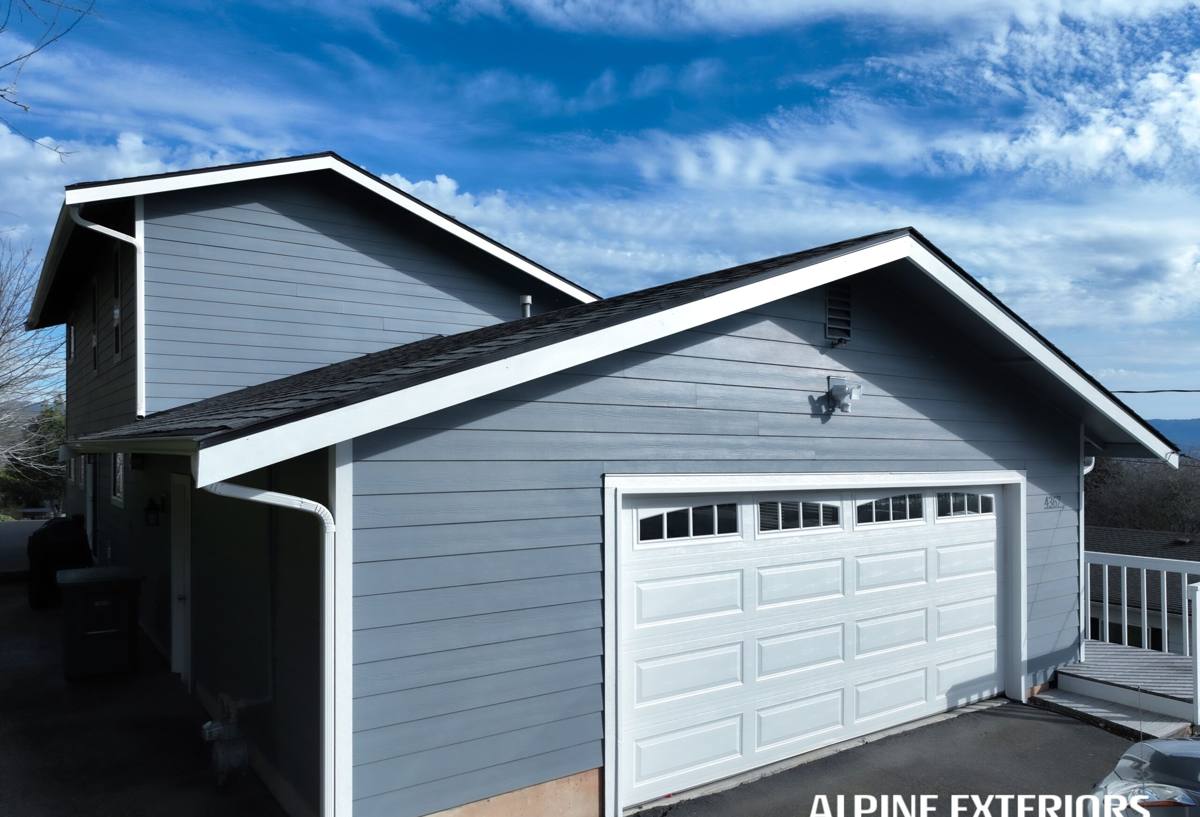
What Salt Air Does to a Roof Over Time
Proximity to Bellingham Bay means airborne salt settles on roofing surfaces and, more importantly, on exposed metal. Nails, flashing, vents, and fasteners are the parts of a roof most vulnerable to this kind of slow corrosion. A roof that looks fine from the ground can have flashing that's thinned out or fasteners that have started to back out because the metal underneath is degrading.
Why Fastener and Flashing Choice Matters More Here
On a coastal-influenced install, we don't treat fasteners and flashing as an afterthought. Corrosion-resistant materials cost a little more upfront, but replacing failed flashing on a roof that's only a few years old costs far more — in materials, labor, and in whatever water damage occurred before the leak was found. For Barkley homes, this is a place where cutting corners shows up early.
Moss: The Slow Damage Nobody Notices Right Away
Whatcom County's moss season is long, and Barkley's tree cover and shaded rooflines make it worse than average. Moss isn't just cosmetic. It holds moisture against the roofing surface, works its way under shingle edges, and lifts material over time — creating entry points for water that wouldn't exist on a bare, well-drained roof.
Design Choices That Reduce Moss Buildup
- Proper shingle exposure and nailing so edges stay tight and don't give moss a place to grab
- Zinc or copper strip installation at the ridge on shaded roofs, which lets metal ions wash down the roof surface with rain and slow regrowth
- Attention to roof sections that stay shaded most of the day — these get flagged during our assessment as areas needing extra prevention
- Keeping valleys and gutter lines clear of debris that traps moisture and gives moss a foothold
None of this eliminates moss entirely — nothing does in this climate — but it slows it down significantly and buys years of extra roof life.
Driving Rain and the Parts of a Roof Homeowners Never See
Bellingham's winter storms often bring rain sideways, not straight down. That matters for installation details that are invisible once the roof is finished: underlayment overlap, valley flashing method, and how penetrations (vent pipes, chimneys, skylights) are sealed. A roof that would perform fine in a drier climate can leak in Barkley if these details are rushed.
Underlayment Is Not a Place to Save Money
We install synthetic underlayment as a full secondary water barrier, not just a construction-phase moisture shield. In a region with this much sustained rainfall, the underlayment is doing real work for the life of the roof — it's the backup when wind-driven rain gets past the shingle surface, which it eventually will during a bad storm.
Material Comparison for Barkley Conditions
| Material | Moss Resistance | Salt Air Durability | Typical Lifespan Here | Maintenance Notes |
|---|---|---|---|---|
| Architectural asphalt shingle | Moderate — improves with zinc strips | Good with proper flashing | 25-30 years | Periodic moss treatment recommended |
| Standing seam metal | High — sheds moisture fast | Good with coated/coastal-rated panels | 40-50+ years | Low; check fastener condition periodically |
| Composite/synthetic shake | Moderate to high | Good | 30-40 years | Occasional cleaning in shaded areas |
| Cedar shake | Low without diligent upkeep | Fair — needs regular treatment | 20-30 years with maintenance | High; regular cleaning and treatment required |
We'll walk through which of these fits your home's exposure, budget, and how much upkeep you actually want to take on — there's no single right answer for every Barkley property.
What a Correct New Roof Installation Actually Involves
A new roof is more than shingles. Every layer underneath does its own job, and skipping or rushing one layer undermines the whole system.
The Layers That Matter
- Deck inspection and repair — any soft, rotted, or delaminated sheathing gets replaced before anything else goes down. Installing new roofing over a compromised deck just hides the problem.
- Ice and water shield at eaves, valleys, and penetrations — the areas most exposed to standing water and wind-driven rain.
- Synthetic underlayment across the full roof deck as the secondary moisture barrier.
- Flashing at every valley, wall intersection, chimney, and penetration, using corrosion-resistant material suited to coastal exposure.
- Ventilation — balanced intake and exhaust so moisture doesn't get trapped in the attic, which contributes to both roof deck rot and interior moisture problems.
- Roofing material installation to manufacturer spec, with attention to nailing pattern and exposure — details that directly affect wind and moss resistance.
- Ridge and hip finishing, including zinc/copper strip installation where shading warrants it.
Our Process for Barkley Roof Installations
1. On-Site Assessment
We look at the whole picture — tree cover and shading, roof pitch, current material condition, deck condition where visible, and any signs of past moss or moisture issues. This is where we identify which sections of your roof need extra moss prevention or flashing attention.
2. Straightforward Written Estimate
You get a written scope and price before any work starts. No surprise add-ons mid-project unless we find something during tear-off that genuinely changes the job — and if that happens, we show you what we found and talk through it before proceeding.
3. Tear-Off and Deck Inspection
Old roofing comes off, and the deck gets a real inspection — not a glance. This is the only point in the project where hidden rot or damage is visible, so we take the time to do it right.
4. Installation to Spec
Underlayment, flashing, ventilation, and roofing material go in following manufacturer installation requirements — which also keeps your material warranty valid, something that gets voided more often than homeowners realize when installation shortcuts are taken.
5. Final Walkthrough
We walk the finished roof and the site with you, cover care and maintenance specific to your material choice, and answer any questions before we consider the job done.
Why a Crew That Already Works Barkley Matters
A roofing crew that regularly works Barkley and the surrounding Bellingham area already knows which streets sit in heavier shade, which sections of the neighborhood catch more wind off the bay, and what past moss and moisture patterns tend to look like on homes with similar exposure. That familiarity shows up in small decisions — where to add extra flashing attention, which roof faces need zinc strips, how much ventilation a given attic layout needs — that a crew unfamiliar with the area might not think to flag.
It also means accountability. We're not driving in from out of the area for one job and disappearing. If a question comes up after installation, we're a known, reachable local crew.
Signs Your Barkley Roof May Need Replacement, Not Repair
- Shingles that are cupping, curling, or losing granules in large patches
- Persistent moss growth that returns quickly even after cleaning
- Soft spots or sagging visible on the roof deck
- Flashing that's visibly rusted, cracked, or separating from the roof surface
- Interior water stains, especially near valleys, chimneys, or skylights
- A roof already past or approaching the end of its material's typical lifespan
- Daylight visible through the attic roof deck
If you're seeing one or two of these, a repair might still be the right call. Several at once usually means it's time to talk about full replacement instead of patching a system that's failing throughout.
Cost Factors Specific to This Job
Every roof is different, but a few factors consistently move the price on Barkley installations: roof size and pitch, how much of the deck needs replacement once tear-off exposes it, material choice, the amount of flashing and penetration work required, and access — trees and tight lot lines can affect staging and cleanup. We'll walk through your specific factors during the estimate rather than quoting off a generic range that may not reflect your home.
If you're ready to talk about a new roof for your Barkley home, we're happy to come take a look and give you a straightforward, no-pressure estimate — just fill out the form below.