 Bellingham
 Roofing Happy Valley Homes the Right Way
Happy Valley is one of Bellingham's older, established neighborhoods, with a housing stock that spans decades of building styles — from mid-century single-story homes near the flats to steeper-roofed houses on the hillier streets closer to campus. What almost every home in the neighborhood has in common is exposure to the same weather pattern: marine air off Bellingham Bay, long stretches of driving rain through fall and winter, and shaded, damp yards that grow moss faster than most homeowners expect. A roof replacement here isn't just about swapping old shingles for new ones — it's about specifying a system that's actually built for Whatcom County's climate, not a generic install that happens to look fine on install day.
We work in Bellingham neighborhoods like Happy Valley regularly, which matters more than it might sound. A crew that already knows how local moisture, tree cover, and roof pitches in this part of town behave will make better calls on ventilation, underlayment, and flashing details than a crew seeing the neighborhood for the first time.
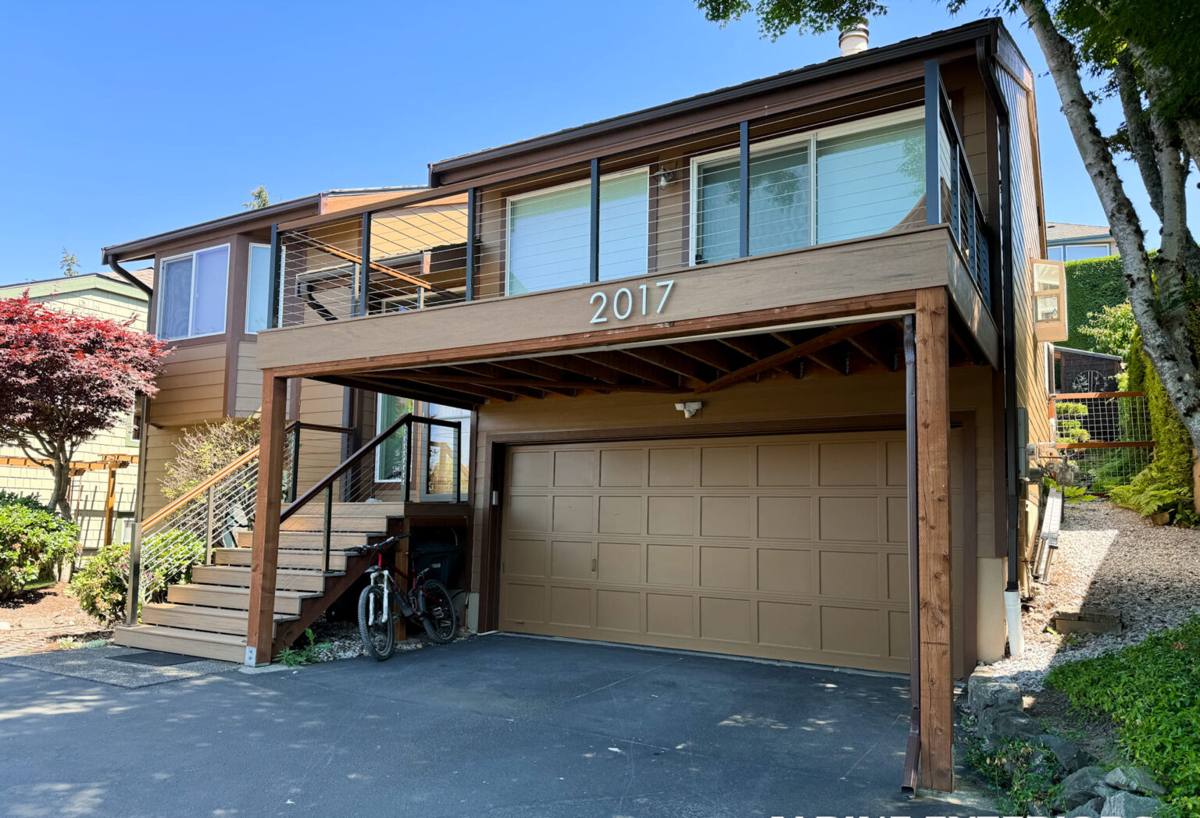
What Bellingham's Climate Does to a Happy Valley Roof
Three things drive most of the roof failures and premature wear we see on homes in and around Happy Valley:
Salt Air and Coastal Moisture
Bellingham sits right on the bay, and that proximity to salt water means metal components — flashing, fasteners, vents, gutter hardware — corrode faster here than they would inland. Cheap or mismatched metal is one of the most common causes of early leaks we find during tear-offs, usually well before the shingles themselves have worn out.
Driving Rain
Whatcom County doesn't just get a lot of rain — it gets a lot of wind-driven rain, which behaves differently than a straight-down downpour. Wind-driven water gets pushed sideways and upward under shingle edges, around chimneys, and into valleys. A roof that would be fine in a drier, calmer climate can leak here if the underlayment and flashing weren't installed with that wind direction in mind.
Long Moss Season
Shaded lots, tree cover, and cool damp weather for most of the year add up to a long moss and algae season. Moss doesn't just look bad — it holds moisture against the roofing material, lifts shingle edges, and works its way under laps over time. On north-facing slopes and shaded sections common in Happy Valley's tree-lined streets, moss can shorten the effective life of a roof by years if it's never addressed.
Signs a Happy Valley Roof Needs Replacing, Not Patching
Not every roof problem calls for a full replacement, and we'll tell you honestly when a repair is the smarter move. But there's a point where patching stops making financial sense. Watch for:
- Granule loss heavy enough that you're finding grit in gutters and downspouts every season
- Shingles that are cupping, curling, or cracking across large sections, not just one spot
- Moss or algae growth that comes back within months of cleaning, even after treatment
- Soft spots or sagging when walked on, which usually means the decking underneath has taken on water
- Daylight visible through the attic or staining on interior ceilings, especially near valleys and chimneys
- A roof that's 20+ years old and has never had underlayment or flashing upgraded
- Multiple past repairs in different spots, which usually signals the whole system is aging out at once
What a Correct Roof Replacement Involves
A roof replacement done right is a system, not a single product. Here's what we consider non-negotiable on every job:
Full Tear-Off and Deck Inspection
We don't install new roofing over old. A full tear-off lets us actually see the decking underneath — which is the only way to catch soft, rotted, or delaminated plywood before it's hidden under a new roof. Any bad sections get replaced before anything else goes down.
Underlayment Built for Wind-Driven Rain
Given how much of our local rain arrives at an angle, we pay close attention to underlayment coverage and lap direction, and we use synthetic or ice-and-water underlayment in the areas most exposed to wind-driven moisture — valleys, eaves, and low-slope transitions in particular.
Flashing That Won't Corrode in Salt Air
Around chimneys, skylights, vents, and roof-to-wall junctions, flashing quality matters more here than in drier, inland climates. We use corrosion-resistant metal and proper step-and-counter flashing techniques rather than relying on sealant alone, which degrades faster in this environment than most homeowners expect.
Ventilation Sized for the Roof
Poor attic ventilation traps moisture, which accelerates deck rot and shortens shingle life from underneath — a problem that's easy to miss because it doesn't show up until it's advanced. We check intake and exhaust balance as part of every replacement, not as an afterthought.
Moss-Resistant Details Where They Make Sense
On shaded or north-facing sections, we'll talk through options like zinc or copper strips near the ridge, which help suppress regrowth over time without chemical treatments. It's not a silver bullet, but it's a reasonable, low-maintenance addition on lots with heavy tree cover.
Our Process, Start to Finish
- On-site inspection. We walk the roof (weather permitting) and the attic, and document what we find — not just from the ground.
- Honest scope and estimate. You get a clear written estimate that spells out materials, underlayment, flashing work, and any deck repair allowance, so there are no surprise change orders mid-job.
- Material selection. We'll walk through the tradeoffs between shingle lines, warranty structures, and price points based on your roof's exposure and your budget — not a one-size-fits-all pitch.
- Scheduling around the weather. Given our rain patterns, we plan installs around forecast windows and protect the open deck if conditions turn.
- Tear-off and deck inspection. Old roofing comes off, decking gets inspected and repaired as needed, and you're shown any problem areas we find.
- Underlayment, flashing, and shingle install in that order, with attention to the details above.
- Final walkthrough and cleanup. We check the finished roof with you, haul away debris, and do a magnetic nail sweep of the yard and driveway.
Comparing Roofing Material Options for This Climate
There's no single "best" roofing material for every home — it depends on your roof's pitch, sun exposure, tree cover, and budget. Here's how the common options stack up for a wet, coastal, moss-prone climate like Happy Valley's:
| Material | How it handles our climate | Maintenance | Typical lifespan |
|---|---|---|---|
| Architectural asphalt shingle | Good performance when installed with proper underlayment and flashing; widely available | Periodic moss removal on shaded slopes | 25–30 years |
| 3-tab asphalt shingle | Lower wind and moisture resistance than architectural shingles | More frequent moss and algae maintenance | 15–20 years |
| Standing seam metal | Sheds wind-driven rain and moss very effectively; needs coastal-grade fasteners and coatings to resist salt air | Low | 40–50+ years |
| Cedar shake | Traditional look but holds moisture longer in our shaded, damp conditions | High — regular treatment and inspection | 20–30 years with upkeep |
For most Happy Valley homes, a quality architectural shingle system with the right underlayment and flashing is the practical choice — it balances cost, appearance, and durability for our climate. Metal roofing is worth serious consideration on steeper or heavily shaded roofs where moss and moisture are a persistent fight, but it's a bigger upfront investment.
Cost Factors Homeowners Should Understand
We won't quote a number without seeing your roof, but the main things that move the price on a Happy Valley roof replacement are:
- Roof size and the number of planes, valleys, and penetrations (chimneys, skylights, vents)
- Pitch — steeper roofs take longer and require more safety setup
- Current layer count and whether a full tear-off reveals deck damage
- Material choice, from standard architectural shingle up through metal
- Access — tree cover, tight lots, and driveway access all affect labor time
- Ventilation or flashing upgrades needed to bring an older roof up to current standards
Be cautious of any estimate that's dramatically lower than others without a clear explanation — it usually means underlayment, flashing, or deck repair work is being left out of scope, not that you found a better deal.
Why a Locally Established Crew Matters Here
Roofing crews that work Bellingham and Whatcom County regularly develop a feel for which details actually matter in this climate — where moss builds up fastest, which flashing details fail first in salt air, and how to sequence a tear-off around our rain patterns without leaving a deck exposed overnight. That experience shows up in fewer callbacks and roofs that perform the way they're supposed to for their full expected lifespan, not just on install day.
It also means someone local is accountable after the job is done — for warranty questions, for a maintenance check a few years out, or for a quick look if a storm causes concerns. That's worth more than a lower bid from a crew passing through the area.
If your Happy Valley roof is showing its age or you just want an honest opinion on repair versus replacement, we're glad to take a look. Fill out the form below for a free, no-pressure estimate.