 Bellingham
 Fairhaven Sits Right Where Bellingham's Weather Gets Serious
Fairhaven's position near Bellingham Bay means homes here take on a combination of weather stresses that inland Whatcom County neighborhoods don't deal with in the same way. Salt-laden air moves off the water and settles on exterior surfaces year-round, wind-driven rain comes in sideways during winter storms, and the long, mild, wet Pacific Northwest off-season keeps siding damp for weeks at a stretch. None of that is dramatic on its own. But stacked together, year after year, it's exactly the kind of exposure that separates siding systems that hold up from ones that don't.
We install siding across the greater Bellingham area, and Fairhaven is one of the neighborhoods where we see the clearest evidence of what climate exposure actually does to a home's exterior over time. That's the lens we bring to every estimate here: not "what looks good going up," but "what's still going to be doing its job in twenty years."
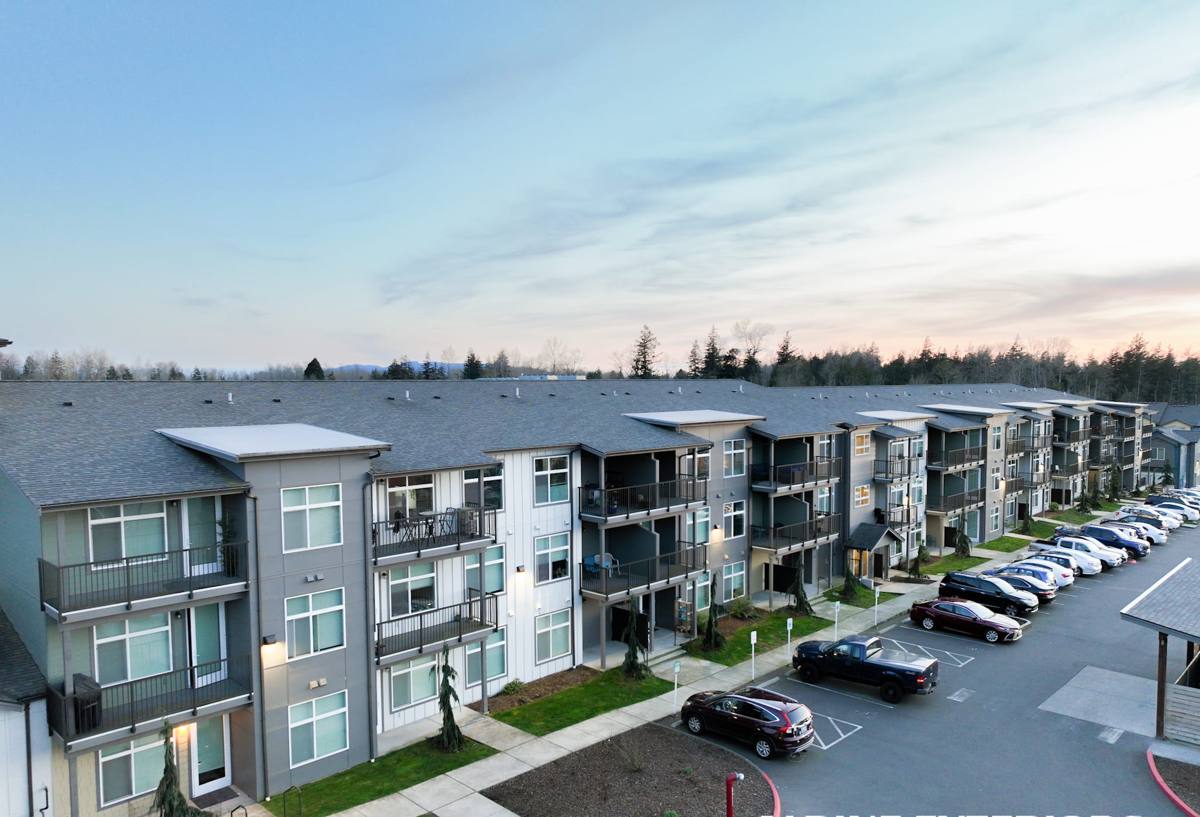
What Fairhaven Homes Actually Need From Their Siding
Resistance to salt air, not just rain
Coastal proximity means airborne salt settles on siding, trim, and fasteners even on dry days. Over years, that accelerates corrosion in low-grade metal fasteners and trim, and it can degrade paint and caulk faster than the same products would wear inland. Siding near the water needs a finish and fastening system built to shrug that off, not just shed rainwater.
A moisture path that actually works
Driving rain off the bay doesn't just hit siding — it gets pushed into laps, seams, and trim joints under wind pressure. A correctly installed siding system assumes some water will get behind the surface layer and gives it a way back out. A system that assumes water will never get behind it is a system that's going to fail here.
A surface that doesn't feed moss and mildew
Whatcom County's long wet season, shaded lots, and mild temperatures are close to ideal growing conditions for moss and algae. Porous or textured surfaces that stay damp longer give moss more to grab onto. Siding that dries out faster and resists organic growth on its own is doing a lot of the maintenance work for you before you ever pick up a brush or a hose.
Why We Install Only James Hardie Fiber Cement
We made a deliberate decision to install James Hardie fiber cement exclusively, and it comes down to how the product performs under exactly the conditions Fairhaven homes deal with. Fiber cement is non-combustible and dimensionally stable — it doesn't expand and contract with moisture the way wood-based products do, which matters enormously in a climate that swings between soaking wet winters and dry summer stretches.
Hardie's ColorPlus factory-applied finish is baked on under controlled conditions and backed by its own finish warranty, which holds up better against salt exposure and UV than field-applied paint typically does over the same span. Hardie also engineers specific product lines — including HZ5 formulations — for climates with significant moisture exposure, which the greater Puget Sound and Whatcom County coastline both qualify as. Combined with a strong transferable warranty and a genuinely long service life when installed to spec, it's the product we're willing to put our name behind. We don't install LP SmartSide, vinyl, Cemplank, Allura, or bare cedar or spruce siding, and we're upfront with homeowners about why — those products each have real trade-offs in maintenance burden, moisture sensitivity, or long-term appearance that we don't think hold up as well in this specific climate.
What a Correct Installation Actually Involves
Fiber cement is only as good as the installation behind it. Most siding failures we get called out to inspect aren't a product problem — they're an installation shortcut that let water get somewhere it shouldn't have gone.
Weather-resistive barrier and flashing first
Before a single piece of siding goes up, the wall needs a continuous weather-resistive barrier, and every window, door, and penetration needs to be properly flashed and integrated with that barrier — lapped correctly, sealed at the right points, and left open where it needs to drain. In a wind-driven rain climate like this one, flashing details are where most long-term problems either get prevented or get built in.
Fastening and clearances to spec
James Hardie publishes specific fastener types, spacing, and installation clearances for good reason — get them wrong and you either compromise the product's warranty or create entry points for moisture. That includes maintaining proper clearance between siding and grade, decks, roof lines, and other surfaces so water has somewhere to go instead of wicking up into the bottom edge of the boards.
Joint treatment and caulking
Butt joints, trim intersections, and penetrations need to be treated correctly — not just caulked generically. Overuse of caulk as a substitute for proper flashing is a common shortcut, and it's one of the first things to fail under sustained coastal moisture exposure.
Comparing Siding Materials for a Fairhaven Exterior
Homeowners often ask us to walk through why one material outperforms another in this specific climate. Here's the honest comparison we give in person, condensed:
| Factor | James Hardie Fiber Cement | Vinyl | Cedar / Untreated Wood |
|---|---|---|---|
| Moisture stability | Dimensionally stable, engineered moisture resistance | Doesn't absorb water, but seams and J-channels can trap it | Absorbs moisture, prone to swelling and rot without diligent upkeep |
| Salt air exposure | Factory finish holds up well; non-corrosive material | Can chalk, fade, and become brittle over time | Finish breaks down faster near salt air; needs frequent refinishing |
| Moss and algae resistance | Smoother, more moisture-resistant surface slows growth | Resists rot but grime and algae still collect in panel laps | Porous surface is highly susceptible to moss and mildew |
| Fire resistance | Non-combustible | Combustible, can melt or warp near heat sources | Combustible |
| Long-term maintenance | Periodic washing; factory finish reduces repainting needs | Low upkeep but limited repair options once damaged | Regular sealing, staining, or painting required |
Our Installation Process in Fairhaven
On-site assessment
We start by walking the exterior with you, looking at existing siding condition, sheathing access points, trim, and any areas already showing moisture damage or moss buildup — common on north-facing and shaded walls in this neighborhood.
Tear-off and sheathing check
Once old siding comes off, we inspect the sheathing underneath. This is the step that matters most and gets skipped most often elsewhere — if there's hidden water damage from a prior installation, it needs to be addressed before new siding goes up, not sealed behind it.
Barrier, flashing, and installation
We install the weather-resistive barrier, flash all openings and penetrations, then install the Hardie siding and trim to manufacturer fastening and clearance specifications.
Final walkthrough
We walk the finished exterior with you, cover basic care, and make sure every detail — caulking, trim lines, clearances — meets our standard before we call the job done.
Signs Your Fairhaven Home May Need New Siding
- Persistent moss or dark streaking that returns quickly after cleaning
- Soft, bubbling, or visibly warped siding panels, especially on shaded or water-facing walls
- Paint that's peeling or bubbling well before its expected repaint interval
- Visible gaps, cracked caulking, or separation at trim and window edges
- A musty smell or soft drywall on interior walls near exterior siding
- Rising heating costs that suggest the wall assembly is no longer keeping moisture and air where it belongs
Why a Crew That Already Works in Fairhaven Matters
Siding installation isn't identical block to block. A crew that regularly works Fairhaven and the surrounding Bellingham waterfront knows which walls take the brunt of wind-driven rain off the bay, which lots stay shaded and damp long enough to need extra attention to moss-prone surfaces, and how older homes in this area were typically built and sided over the decades — which affects what we expect to find once old siding comes off. That local pattern recognition shows up in fewer surprises mid-project and a better match between the installation approach and what your specific home actually needs, rather than a generic approach pulled from a drier, calmer climate.
Living With Hardie Siding Through Bellingham's Moss Season
Even the right product benefits from basic upkeep in this climate. A periodic gentle wash — garden hose and soft brush, or a low-pressure rinse — keeps salt residue and organic buildup from settling in long-term. Keeping gutters clear and vegetation trimmed back from exterior walls reduces the moisture load siding has to deal with, and an annual walk-around to check caulking and trim joints catches small issues before Whatcom County's wet season turns them into bigger ones. None of this is heavy maintenance — it's the kind of light, occasional attention that lets a properly installed Hardie exterior go the distance.
If you're weighing a siding project for a home in Fairhaven, we're glad to take a look and give you a straightforward read on what your exterior actually needs — no pressure, no upsell, just an honest assessment. Fill out the form below to schedule a free estimate.