 Bellingham
 Window Replacement Built for Happy Valley's Climate
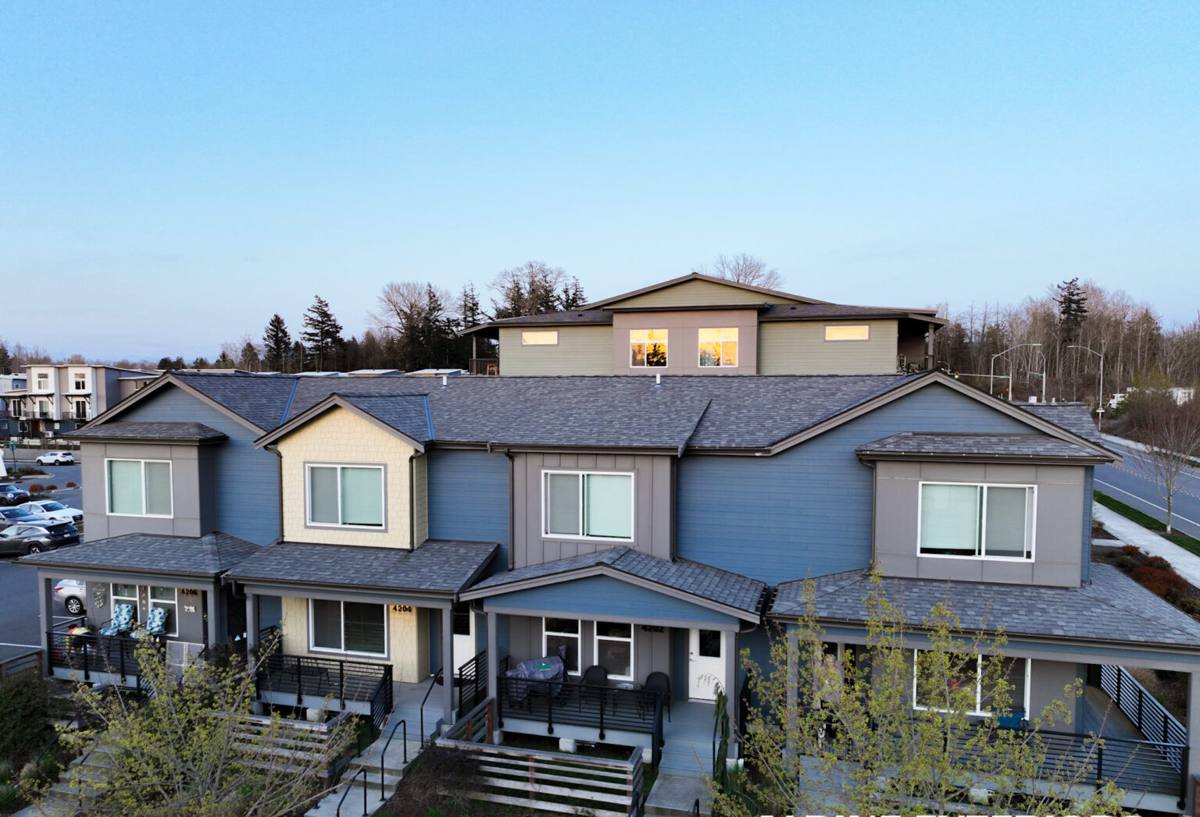
Happy Valley sits on the hillside south of downtown Bellingham, and a lot of homes here catch weather straight off Bellingham Bay. That exposure is part of what makes the neighborhood desirable, and it's also exactly what wears out windows faster than a typical inland install. Salt-laden air, wind-driven rain, and the long gray stretch of moss season put real stress on frames, seals, and glazing year after year. Replacing windows here isn't just a cosmetic upgrade — it's a chance to correct whatever weakness let the weather in in the first place.
This page covers what window replacement specifically involves for Happy Valley properties: what the local climate does to windows over time, what a correct installation actually requires, how to think about material choices, and what our process looks like from first look to final cleanup.
What Bellingham's Weather Does to Windows Over Time
Salt Air and Metal Fatigue
Homes with bay exposure deal with a fine salt content in the air that accelerates corrosion on anything metal — aluminum frames, hinges, balance systems, and screen hardware in particular. Older aluminum-frame windows, common in homes built decades ago, tend to show pitting, oxidation, and stiff or seized moving parts well before the glass itself fails. It's a slow process, so most homeowners don't notice until a window won't latch properly or the frame starts looking chalky and rough.
Driving Rain and Wind Load
Whatcom County storms often come in sideways off the Sound rather than falling straight down, which means water gets pushed hard against window assemblies instead of just running off them. Any weakness in the flashing, sealant, or frame fit becomes an entry point. This is also why wind rating matters more here than it would in a more sheltered inland location — a window that's technically adequate on paper can still underperform if it wasn't installed with this area's wind-driven rain in mind.
The Long Moss Season
Western Washington's moss season isn't just a roof problem. The same damp, low-light stretch from fall through spring that feeds moss growth on siding and trim also keeps window sills, sashes, and surrounding wood trim wet for extended periods. Wood that never fully dries out is wood that rots, and it's common to find soft or discolored trim around older windows even when the glass and hardware still look fine.
Signs Your Happy Valley Home Needs New Windows
Not every issue means full replacement, but these are the signals worth taking seriously in this climate:
- Visible fogging or moisture trapped between panes — the seal has failed and can't be repaired
- Soft, discolored, or spongy wood on the sill or surrounding trim
- Windows that are hard to open, close, or lock, especially aluminum-frame units
- Cold drafts near the frame even when the window is fully latched
- Visible corrosion, pitting, or chalky residue on metal frames or hardware
- Condensation forming on the inside of the glass regularly during colder months
- Paint or finish that keeps failing on the interior sill no matter how often it's repainted
- Noticeable rise in heating costs without another clear explanation
What a Correct Window Replacement Actually Involves
The window itself matters, but most of the long-term performance in a coastal, high-rainfall climate comes down to how the installation handles water. Rushed or shortcut work is where callbacks and rot problems come from.
Tear-Out and Inspection
Once the old window is out, we inspect the rough opening, the framing, and the sheathing underneath before anything new goes in. This is often the first real look anyone's had at that opening in years, and it's where hidden moisture damage from a failed seal or bad flashing shows up. Any soft or rotted framing gets addressed before the new window is set — installing a new window into a compromised opening just hides the problem for a few more years.
Flashing and Water Management
Proper flashing — sill pan, side flashing, and head flashing integrated correctly with the house wrap or building paper — is what actually keeps wind-driven rain out, not the window unit alone. This is the step most likely to get shortcut by crews unfamiliar with coastal installs, and it's the one that determines whether the opening stays dry for the next twenty years or starts failing again in five.
Insulation and Air Sealing
The gap between the window frame and the rough opening gets sealed with appropriate low-expansion foam or backer rod and sealant — not just stuffed with fiberglass, which does little to stop air movement and can hold moisture against the frame.
Code Requirements
Bedroom windows need to meet egress requirements for size and opening clearance, and replacement windows generally need to meet current Washington State energy code performance minimums. We handle permit requirements as needed so the work is documented and compliant, not something that turns into a problem at resale.
Choosing the Right Window for This Neighborhood
There's no single "best" window — the right choice depends on exposure, budget, and how much upkeep you want to take on. Here's how the common frame materials compare for a bay-exposed, high-moisture climate like Happy Valley's:
| Frame Material | Salt Air / Moisture Performance | Maintenance | General Cost Tier |
|---|---|---|---|
| Vinyl | Good — won't corrode or rust | Low; occasional cleaning | Lower to mid |
| Fiberglass | Excellent — very stable in temperature and moisture swings | Low | Mid to higher |
| Wood-clad | Good if maintained; exterior cladding protects the wood core | Higher; cladding seams need periodic checking | Higher |
| Aluminum | Poor in salt air without upgraded coatings; prone to corrosion and thermal loss | Moderate to high over time | Lower to mid |
For most Happy Valley homes with direct bay exposure, we steer people away from bare aluminum frames — not because the material is inherently bad everywhere, but because untreated aluminum's corrosion and thermal performance struggle specifically in salt air conditions. Vinyl and fiberglass tend to hold up with far less long-term maintenance in this exposure.
Our Process From Estimate to Cleanup
- On-site assessment — we look at each window opening, note any framing or moisture concerns, and measure for accurate ordering.
- Straightforward estimate — options and pricing explained in plain terms, no pressure to decide on the spot.
- Scheduling — timed around weather windows where possible, since dry conditions make for a cleaner, tighter install.
- Removal and inspection — old windows come out, framing gets checked and repaired if needed before anything new goes in.
- Installation — proper flashing, sealing, and insulation around each new unit, one opening at a time so your home isn't left open to weather.
- Cleanup and walkthrough — debris removed, new windows operated and checked with you before we consider the job done.
Cost Factors for Happy Valley Window Projects
Every home is different, but these are the main factors that move a window project's price up or down:
| Factor | Why It Matters |
|---|---|
| Number of openings | More windows means more material and labor, but often better per-unit pricing |
| Frame material | Vinyl is typically the most budget-friendly; fiberglass and wood-clad cost more upfront |
| Framing repairs | Rotted sheathing or trim found during tear-out adds labor and material not visible before the job starts |
| Window size and type | Custom shapes, large picture windows, or bay/bow configurations cost more than standard double-hung sizes |
| Access and site conditions | Upper-story or hard-to-reach openings on sloped Happy Valley lots can add labor time |
| Trim and finish work | Matching existing interior or exterior trim adds finishing time beyond the window swap itself |
Why Local Experience in Happy Valley Matters
A crew that regularly works this neighborhood already knows what to expect before the tear-out even starts. That means recognizing bay-exposed openings that are more likely to have hidden rot, knowing which older aluminum-frame windows tend to be original to the house and due for replacement, and understanding how the hillside terrain and lot orientation affect which walls take the worst of the weather. It also means showing up prepared for Whatcom County's rain patterns instead of losing days to weather that a crew from a drier region wouldn't have planned around. None of that replaces careful workmanship, but it does mean fewer surprises and a job that's built around how this specific area actually behaves, not a generic install.
If you're noticing drafts, fogged glass, or sticking frames on a Happy Valley home, it's worth getting a straightforward look before the next wet season sets in. We offer free, no-pressure estimates — use the form below to get started.