 Bellingham
 Siding in a Community Built Among the Trees
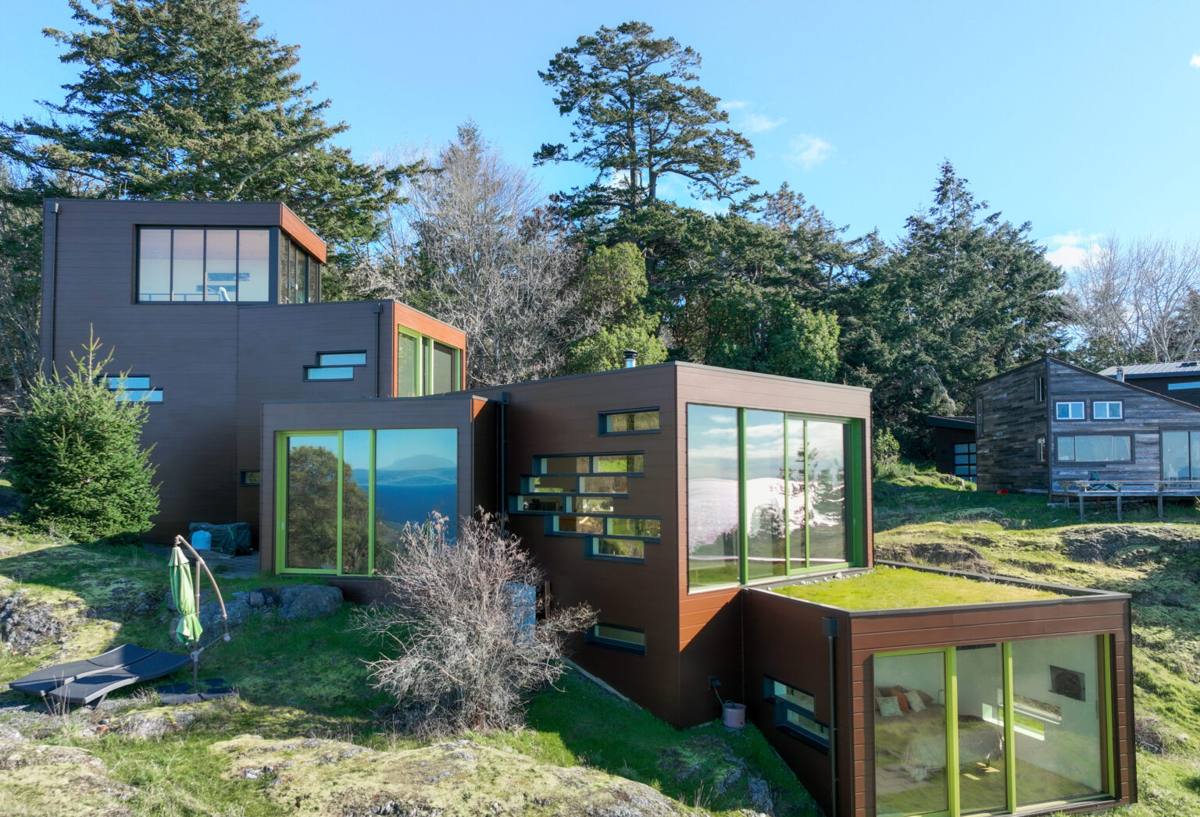
Sudden Valley sits along the south shore of Lake Whatcom, wrapped in the kind of mature fir and cedar canopy that makes the neighborhood beautiful and makes siding work harder than almost anywhere else in Whatcom County. Many lots here get only a few hours of direct sun a day, if that. Add the lake humidity that settles into low-lying, tree-shaded yards, the driving rain that blows through during fall and winter storms, and a moss season that can run eight months or longer, and you have a climate that is genuinely tougher on exterior cladding than the more open, sun-exposed streets closer to downtown Bellingham.
That combination of shade, standing moisture, and organic growth is why siding on a well-built Sudden Valley home can fail years before an identical product would fail on a south-facing lot elsewhere in the county. A siding replacement here isn't just a cosmetic swap — it's a chance to correct the conditions that shortened the life of the old siding in the first place.
How Shade and Moisture Actually Damage Siding
Most siding failure on wooded, lake-adjacent lots isn't sudden. It's slow, and it starts with moss and algae rather than storm damage. Once green or black growth takes hold on a shaded wall, it holds moisture against the surface far longer than rain alone would. That constant dampness is what leads to the real problems:
- Paint failure and peeling on wood or wood-composite siding, since factory or field paint can't keep up with near-constant moisture exposure in deep shade
- Soft, swollen, or delaminating panels on OSB-based composite sidings, which absorb water at cut edges and seams faster than they can dry
- Wood rot at butt joints, corners, and anywhere caulk has failed, often hidden behind an otherwise intact-looking exterior
- Moss creeping up from the bottom courses, working into seams and fastener holes
- Trim and fascia rot that starts above the siding line and works its way down, unnoticed until it's extensive
Because so much of this damage happens out of direct view — low sun angles mean shadows sit on walls most of the day — homeowners in Sudden Valley are often surprised by how much rot or moisture damage has developed behind siding that still looks fine from the yard.
What a Correct Replacement Actually Involves
A siding replacement done right is as much about what's underneath as what's visible. For a shaded, moisture-heavy lot, that means:
Full tear-off, not a re-side
Installing new siding over old siding, or over damaged sheathing, traps whatever moisture problems already exist. On lots like these, we assume there's some hidden moisture damage until the old siding is off and we can actually see the wall.
Sheathing and framing inspection
Every square foot of sheathing gets checked for soft spots, delamination, and rot, especially around windows, doors, and lower courses where moisture collects longest. Damaged sheathing and framing get replaced before anything new goes up — no shortcuts covered over.
Weather-resistive barrier and flashing done right
A correctly lapped weather-resistive barrier, properly integrated window and door flashing, and rainscreen or drainage gap detailing where called for give water a way out instead of a way in. This matters more here than almost anywhere else in the region, because these walls simply don't dry out between rain events the way sun-exposed walls do.
Correct fastening and clearances
Proper nailing patterns, ground clearance, and gaps at trim and inside corners are what keep new siding from repeating the same failure pattern in fifteen years instead of forty.
Comparing Siding Options for a Wooded, Lake-Adjacent Lot
Not every siding product handles shade and sustained moisture the same way. Here's how the common options stack up specifically for a lot like the ones in Sudden Valley:
| Material | Moisture Behavior in Shade | Moss/Algae Resistance | Maintenance Burden Here |
|---|---|---|---|
| Cedar | Absorbs and holds moisture; slow to dry in shade | Low — feeds moss without regular treatment | High — repainting/staining and moss removal on a recurring cycle |
| Vinyl | Doesn't absorb water, but traps moisture behind panels; can warp | Moderate — moss grows on the surface, especially at seams | Moderate — periodic washing, limited repair options if damaged |
| OSB-based composite (e.g. LP SmartSide) | Engineered wood core is vulnerable at cut edges and seams if moisture gets in | Moderate — factory finish helps, but exposed edges are a weak point | Moderate to high — depends heavily on installation quality and caulking upkeep |
| James Hardie fiber cement | Fiber cement does not rot, warp, or swell from moisture absorption | Higher — factory-cured ColorPlus finish resists moss/algae better than field-applied paint | Low — periodic soft washing recommended, no repainting cycle in most cases |
Why We Only Install James Hardie Fiber Cement
We standardized on James Hardie for jobs across Whatcom County, and lots like the ones in Sudden Valley are exactly why. Fiber cement doesn't have an organic core for moisture to break down, which matters enormously on a wall that spends most of the year in shade. Hardie's HZ5 product line is engineered specifically for wetter, harsher climate zones like this one, and the factory-applied ColorPlus finish is baked on and cured under controlled conditions — it holds up against moss and mildew noticeably better than paint applied on site, which is the finish most other siding materials depend on.
Hardie siding is also non-combustible, which matters for wildfire-adjacent, tree-covered properties, and it carries a strong transferable warranty when installed to the manufacturer's specifications. We don't install LP SmartSide, vinyl, cedar, or other fiber cement brands — not because those products can't be installed correctly elsewhere, but because on the moisture-heavy, shaded lots we work on most often, we've concluded Hardie holds up longer with less upkeep, and we'd rather stand behind one system we trust completely than offer several we'd have reservations about.
Working in Sudden Valley: What Our Process Looks Like
Sudden Valley is a quiet, semi-rural community, and a lot of homes here sit on private or community-maintained roads with their own access rules. Before we schedule a tear-off, we confirm access, staging, and any community guidelines that apply to contractor work, so there are no surprises on install day. Beyond that, our process on a replacement job runs the same way it does anywhere else we work:
- On-site inspection and estimate — we look at existing siding condition, sheathing access points, and any visible moisture or moss damage before quoting anything
- Tear-off and sheathing inspection — old siding comes off, and we document what's underneath before covering anything back up
- Repair of damaged sheathing or framing, discussed with the homeowner before proceeding
- Weather barrier, flashing, and drainage detailing installed to manufacturer spec
- James Hardie panel or plank installation, fastened and finished per Hardie's requirements
- Site cleanup and walkthrough
What to Expect and Ask About Before Hiring
Whoever you hire for a siding replacement on a shaded, wooded lot should be able to speak plainly about how they'll handle moisture. A short checklist worth going through with any contractor:
- Will they do a full tear-off, or propose installing over existing siding?
- Do they inspect and photograph sheathing condition before closing the wall back up?
- What weather-resistive barrier and flashing details will they use, and why?
- Are they installing to the manufacturer's written installation instructions, which is what keeps a warranty valid?
- Have they worked on other homes in Sudden Valley or similarly shaded, lake-adjacent lots, and do they understand why that matters?
Caring for New Siding Through a Long Moss Season
Even the most moisture-resistant siding benefits from a little seasonal attention on a lot like this. Keeping gutters and downspouts clear prevents water from sheeting down walls it shouldn't touch. Trimming back branches and vegetation that crowd a wall improves airflow and cuts down on the shade that feeds moss in the first place. A periodic gentle soft wash — never a high-pressure blast, which can force water behind panels and damage finishes — keeps moss and algae from establishing a foothold, even on a finish as durable as Hardie's ColorPlus system. None of this is heavy maintenance, but skipping it on a shaded property tends to catch up faster than homeowners expect.
Get a Straight Answer on What Your Home Needs
If you're seeing moss creeping up your siding, paint that won't stop peeling, or soft spots near the bottom courses, it's worth having someone look at what's actually happening underneath before you decide on a fix. We'll come out, take a real look, and give you a straightforward, no-pressure estimate — no obligation, just an honest read on what your home in Sudden Valley actually needs.