 Bellingham
 Asphalt Shingle Roofing Built for Birch Bay's Waterfront Conditions
Birch Bay sits right at the water's edge, and that changes what a roof has to deal with compared to homes set back in the trees a few miles inland. Wind off the open bay doesn't lose much force before it reaches a roofline here, and it often carries salt spray directly onto shingles, flashing, and fasteners rather than the milder marine air that reaches more sheltered parts of Whatcom County. Add the region's long stretch of wet, gray months and the moss that settles onto anything shaded or slow to dry, and a roof on this stretch of shoreline is working harder than a roof of the same age and material set a few miles inland.
None of that makes asphalt shingles the wrong material for a Birch Bay home — they're still the right choice for most houses here. It means the installation has to account for direct wind exposure, wind-driven rain, and near-constant dampness in a way a generic roofing job doesn't. This page covers what that actually looks like: what a correct asphalt shingle install or replacement involves on this part of the water, how we run the job from first look to final cleanup, and why local experience on this specific shoreline matters as much as the shingles themselves.
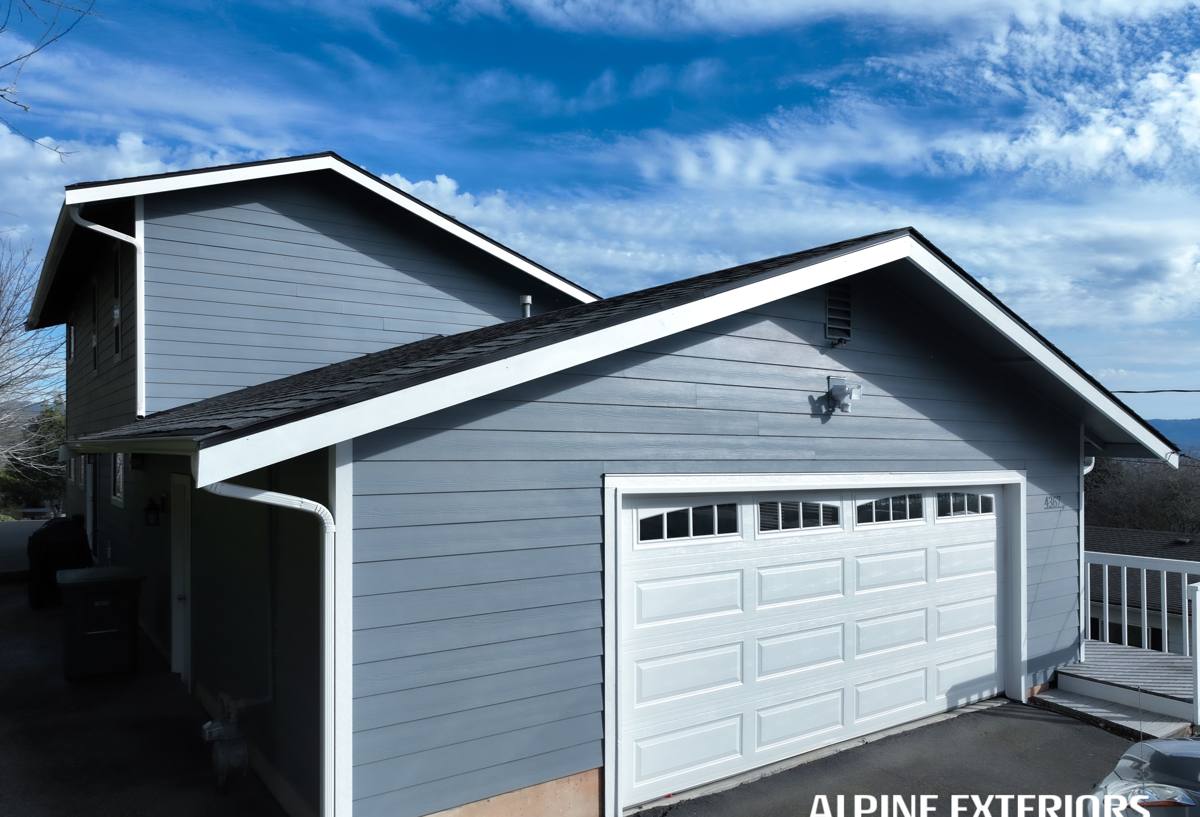
Why Asphalt Shingles Still Make Sense on the Bay
Asphalt shingles remain the practical, well-proven choice for the majority of homes in Birch Bay. They cost less to install than metal or tile, they come in enough colors and profiles to suit both older beach cottages and newer builds, and if a section gets damaged later it can usually be repaired without tearing off the whole roof. The material itself isn't the weak point on most failed roofs we've looked at along this shoreline — the installation underneath it is.
A roof that's twenty years old and still performing well next to one that's already failing at year eight almost always comes down to the same handful of details: how the underlayment was chosen and installed, how flashing was built at every transition, and whether the roof was allowed to breathe properly from underneath. Get those right, and a mid-grade shingle roof will regularly outlast a premium shingle roof that was installed in a hurry.
What This Shoreline Actually Demands
- Corrosion-resistant fasteners and flashing metal: Direct salt spray off open water accelerates corrosion on standard-grade metal faster than it would a mile or two inland, and corroded flashing is one of the most common sources of slow, hard-to-trace leaks.
- Underlayment built for wind-driven rain: Wind off the bay regularly drives rain sideways and up under shingle tabs rather than letting it simply run off, which makes a strong secondary water barrier underneath the shingles non-negotiable, not optional.
- Algae-resistant granules on shaded slopes: Homes set back from the water under tree cover face a different problem than the open shoreline does — persistent shade and dampness that let moss and algae take hold within just a few years on untreated shingles.
- Real, balanced attic ventilation: Humid air near the water keeps roof decks damp longer after a storm passes, and trapped moisture underneath accelerates rot and moss growth from below at the same time weather works on the roof from above.
What a Correct Asphalt Shingle Install Involves
A roof replacement is a system, not a single product. Done right, it's built in layers from the deck up, and each layer does a specific job that matters more on an exposed shoreline than it would somewhere more sheltered.
Tear-Off and Deck Inspection
Stripping the roof down to bare decking is the only reliable way to find soft spots, rot, or moisture damage that's been building quietly underneath the old shingles, sometimes for years. That's especially true on older beach cabins in Birch Bay that have been added onto, re-roofed more than once, or converted from seasonal to full-time use over the years, where a layover install may already be sealing problems from a previous round of roofing under a fresh surface.
Underlayment
Synthetic or self-adhered underlayment gives the deck a real second line of defense, which matters directly here given how often wind pushes rain sideways and up rather than letting gravity handle it. Ice-and-water shield membrane at eaves, valleys, and other high-risk transitions adds targeted protection at the exact spots where water finds its way in first.
Flashing at Valleys, Chimneys, and Walls
Most leaks we find on roofs in this area don't start in the open field of shingles — they start at flashing. Valleys, chimney and skylight penetrations, and the places where a roofline meets a wall all need flashing that's properly lapped and integrated with the underlayment as part of one continuous water-shedding system, not caulked over as a patch after the fact.
Fastening for Wind Exposure
Nail placement, count, and pattern have to follow manufacturer specification exactly, not a shortcut version of it. That matters more on a waterfront lot in Birch Bay with a clear, unobstructed wind path off the bay than it does on a heavily treed inland lot where wind gets broken up before it ever reaches the roof.
Ventilation
Balanced intake and exhaust ventilation keeps the underside of the deck drier year-round, which extends shingle life and starves the moisture that feeds moss growth from underneath. Older homes in this area, especially ones originally built as seasonal cabins, are frequently under-ventilated by today's standards, and that gap often goes unnoticed until it shows up as premature shingle failure or soft decking.
Comparing Shingle Options for a Birch Bay Roof
| Shingle Type | Typical Lifespan | Fit for Birch Bay Conditions |
|---|---|---|
| 3-Tab Shingles | 15-20 years | Lower upfront cost, but a thinner profile and lower wind rating make them a weak fit for open, wind-exposed waterfront lots |
| Architectural (Laminated) Shingles | 25-30 years | Heavier construction with better wind resistance; the most common practical choice for direct bay exposure |
| Premium/Designer Shingles | 30+ years | Stronger algae resistance and heavier build, worth considering on shaded, tree-covered lots set back from the water |
For homes directly on the water in Birch Bay, architectural shingles with a strong wind rating are the practical baseline given how exposed these lots are to open-water gusts. Homes set further back under tree cover face less wind but more shade, and that's where the algae resistance of a premium shingle tends to earn its cost back over the life of the roof.
Cost Factors Worth Understanding
Two estimates for the same roof can land thousands of dollars apart without either contractor being dishonest — the difference is almost always in what's actually included. Knowing what drives the number makes it much easier to compare bids that look nothing alike on paper.
| Factor | What It Affects |
|---|---|
| Tear-off vs. layover | Whether hidden deck damage gets found and fixed before new shingles go down |
| Underlayment grade | How well the roof resists wind-driven rain getting under shingle edges |
| Shingle wind rating | How the roof holds up under sustained, direct wind off open water |
| Flashing scope | How thoroughly valleys, chimneys, and wall transitions are addressed |
| Ventilation upgrades | Long-term moisture control and actual shingle lifespan |
| Roof pitch, access, and structure age | Labor time, staging needs, and whether older framing needs extra attention |
Ask any contractor to itemize these pieces separately rather than handing you a single lump-sum number. A written, line-by-line estimate tells you far more about what you're actually paying for than a total price on its own ever will.
How Our Process Works
We keep the process straightforward because a job this size deserves clear communication at every stage, not surprises partway through.
- In-person inspection: We walk the roof and attic ourselves, in person, rather than pricing from a photo, and document exactly what we find.
- Written estimate: You get an itemized bid covering tear-off, underlayment, flashing, ventilation, material selection, and cleanup — not one vague number.
- Scheduling around weather: We build reasonable flexibility into the timeline, since wet-weather delays are a normal, expected part of working on this coastline, not an excuse we reach for later.
- Tear-off and deck repair: Old roofing comes off completely, and any deck damage we find gets repaired before anything new goes on.
- Underlayment, flashing, and shingle installation: Each layer goes on to manufacturer specification, with extra care at valleys, penetrations, and wall transitions.
- Final walkthrough and cleanup: We review the finished roof with you in person and run a full site and magnetic nail sweep before calling the job done.
Why Hiring a Crew That Already Works in Birch Bay Matters
A crew that's spent real time roofing homes on this stretch of the bay has already seen how quickly salt spray corrodes underspecified flashing, how far wind-driven rain can travel under a poorly lapped underlayment, and which roof orientations along the shoreline hold onto moisture the longest. That's the kind of knowledge that shows up in small decisions throughout a job — decisions a crew that only occasionally works this shoreline is less likely to think to make.
It matters after the job is finished, too. A workmanship warranty is only worth as much as the company standing behind it years down the road, and a contractor with an established, ongoing presence in Whatcom County is one you can actually reach if a question comes up later, not a name that's moved on somewhere else.
A Practical Checklist Before You Choose a Roofer
- Do they perform a full tear-off with a deck inspection, not just a layover?
- Does the estimate name the specific underlayment type and shingle product, rather than just saying "new shingles"?
- Is flashing work at valleys, chimneys, and walls written into the bid explicitly?
- Do they carry current WA contractor licensing, liability insurance, and workers' compensation?
- Can they point to recent, real work on the water in or near Birch Bay?
- Does the bid clearly separate the manufacturer's material warranty from the contractor's own workmanship warranty?
Signs Your Birch Bay Roof May Need Attention
Asphalt shingle roofs rarely fail without warning. They tend to show signs well before a leak actually shows up inside the house, and catching those signs early is often the difference between a straightforward repair and a full replacement.
- Granules building up in the gutters, a sign shingles are wearing thinner than they should be at this point in their life
- Curling, cracking, or lifted shingle edges, especially on slopes with a direct wind path off the bay
- Dark streaking or visible moss on shaded, tree-covered slopes set back from the water
- Water staining on interior ceilings or in the attic, particularly near valleys or roof penetrations
- Visible sagging along the roofline, which often points to moisture damage at the deck level underneath
If any of that sounds familiar, it's worth having the roof looked at before the next round of winter storms rolls in off the water rather than waiting for a leak to force the decision.
If you'd like an honest, no-pressure look at your roof and a written estimate you can actually compare against what else you've received, we're glad to come take a look. Use the form below to request a free estimate.