 Bellingham
 Board & Batten Siding for Cordata Homes
Board and batten has become one of the most requested siding styles in north Bellingham, and Cordata homeowners have good reason to like it. The vertical lines read as modern on newer builds and as a nod to old farmhouse and barn architecture on older ones, and it works on everything from a small rambler to a two-story with a lot of gable to cover. But the style is only half the decision. What the boards and battens are actually made of, and how they're installed, determines whether that siding still looks sharp in fifteen years or is already showing streaking, soft spots, and moss creep along every batten line.
This page covers what board and batten siding needs to hold up specifically in Cordata's conditions, what a correct installation involves, and how our crew approaches the job on homes in this part of Whatcom County.
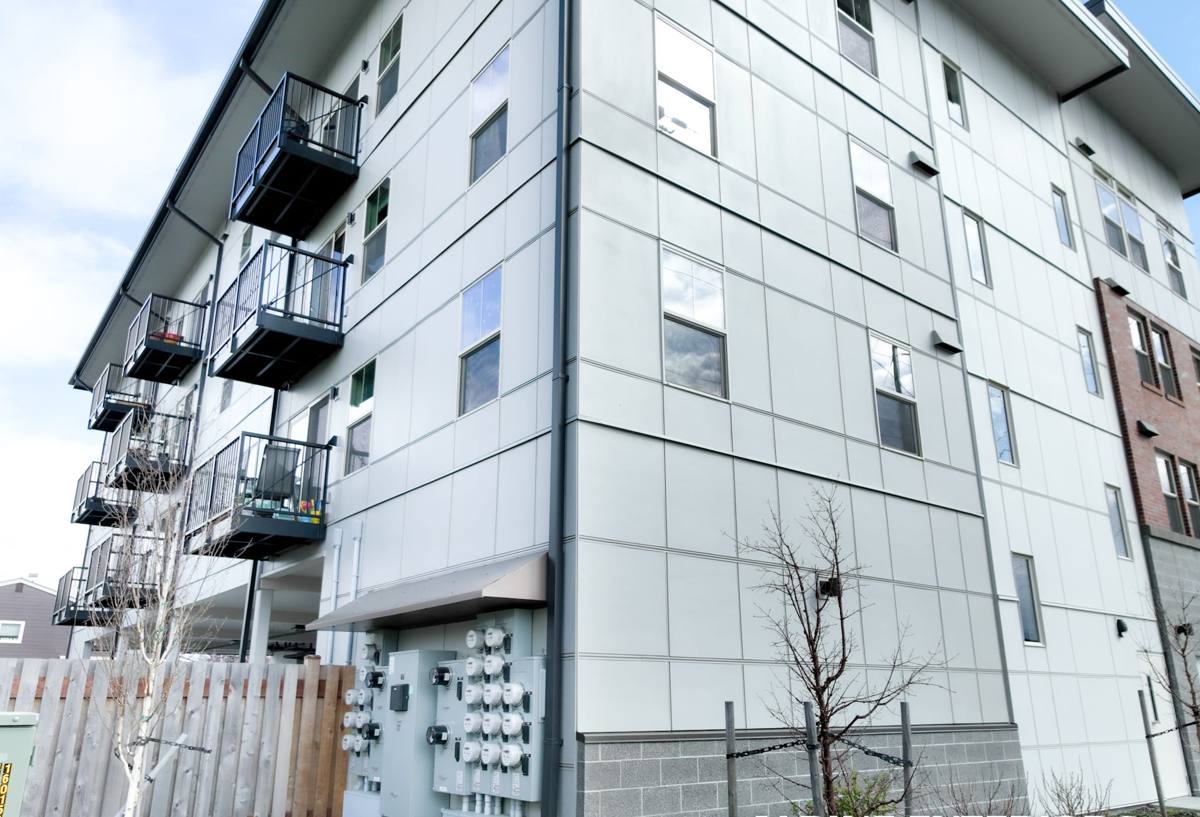
What Cordata's Climate Does to Vertical Siding
Cordata sits in north Bellingham, close enough to Bellingham Bay and the Salish Sea that salt-laden air is a normal part of the weather, not an occasional event. Combine that with the long, wet Whatcom County winters and the pattern of driving rain that comes in sideways off the water during a real storm, and you've got three separate stresses acting on siding at once: airborne salt that accelerates corrosion of any exposed metal fasteners or trim, sustained moisture load that keeps materials wet for days at a stretch, and wind-driven rain that gets pushed up and under seams rather than just running down the face of the wall.
Then there's moss. Whatcom County's moss season isn't really a season here — on shaded, north-facing, or tree-covered walls it's closer to year-round. Board and batten siding has more horizontal seams and batten shadow lines than plain lap siding, and every one of those lines is a place where moisture can sit, algae and moss can get a foothold, and a moisture-sensitive substrate can start to break down from the inside before it ever shows on the surface.
None of this means board and batten is a bad choice for this area. It means the material and the installation details matter more here than they would in a drier climate, and it's why we're picky about both.
Why We Only Install It in Fiber Cement
Board and batten is available in vinyl, engineered wood (LP SmartSide and similar OSB-based products), cedar, and fiber cement. We've made a deliberate call to install James Hardie fiber cement exclusively, and it comes directly from what we see this climate do to the alternatives over time.
Vinyl board and batten is affordable and low-maintenance in the sense that it doesn't need painting, but it's a thin plastic product that expands and contracts with temperature swings, can warp or bow, and doesn't hold up well to the kind of sustained wind loads Whatcom County storms can produce. Engineered wood siding is wood-based at its core — even with a resin-treated surface, any breach in that surface skin (a nail hole, a cut edge, a scratch) gives moisture a path into an OSB substrate that swells and deteriorates once it's wet, and Cordata's moisture load doesn't give that kind of damage much chance to dry out between rain events. Cedar board and batten looks great new, but it's a natural product that needs regular refinishing to resist the moss, mildew, and graying this climate produces, and the upkeep cost adds up over the years.
James Hardie fiber cement is cement, sand, and cellulose fiber — it doesn't rot, it isn't a food source for the organisms that cause moss and mildew growth, and it's non-combustible. It's also manufactured in an HZ5 formulation specifically engineered for Pacific Northwest freeze-thaw and moisture cycling, which is the exact stress profile Cordata sees. That's the material difference underneath the style choice.
What a Correct Board & Batten Installation Involves
The look of board and batten comes from vertical boards with a batten strip covering each seam, but there's a real system behind that appearance, and skipping steps in it is where most siding failures start — regardless of brand.
The Water Management Layer
Before any siding goes up, the wall needs a properly lapped weather-resistive barrier and, on most walls in this climate, a drainage gap (rainscreen) behind the siding. That gap lets any moisture that does get past the cladding drain and dry out instead of sitting against the sheathing. Given how much sustained rain and humidity Cordata sees, we treat this as standard, not an upgrade.
Panel Layout and Fastening
James Hardie board and batten is typically built using HardiePanel vertical siding with HardieTrim battens over the seams, blind- or face-nailed per Hardie's published fastening schedule for our wind exposure zone. Fastener spacing, edge clearance, and nail penetration into framing all matter — under-fastened panels can work loose in wind, and over-driven nails can crack the board or create a moisture entry point. Every panel gets factory-cut and field-cut edges sealed before installation, since a raw cut edge is the one place fiber cement can actually absorb water.
Flashing and Clearances
Every window, door, and roof-to-wall intersection needs proper flashing integrated with the water-resistive barrier, not just caulked over. Bottom clearance above grade, decks, and roof lines has to meet Hardie's minimums so the siding isn't sitting in standing water or snow. On a wall exposed to driving rain, these details are what actually keep water out — the siding material itself is only part of the system.
Finish
We install ColorPlus factory-finished panels wherever the color selection allows it. A factory-baked finish resists fading and chipping far better than field-applied paint, and it comes with its own finish warranty separate from the substrate warranty — a real advantage in a climate that's hard on paint.
Our Process on a Cordata Job
- Walk and assessment — we look at the existing siding and sheathing condition, wall exposure (which sides take the worst wind-driven rain), shade and moss patterns, and any moisture damage already present before quoting anything.
- Scope and product selection — panel size, batten spacing, and color are chosen with the home's style and the wall's exposure in mind, not just what looks good on a sample board.
- Tear-off and sheathing check — old siding comes off and the sheathing underneath gets inspected; any rot or soft spots are repaired before anything new goes up, since new siding over damaged sheathing just hides a problem.
- Weather barrier and drainage gap installation — done correctly and lapped shingle-style, top to bottom, before any siding touches the wall.
- Flashing at every penetration — windows, doors, vents, and roof lines.
- Panel and batten installation — fastened to Hardie's spec for our exposure zone, joints and edges sealed per manufacturer instructions.
- Trim, caulking, and final finish check — including touch-up paint matched to the ColorPlus finish where field cuts require it.
- Site cleanup and walkthrough — old material and debris hauled off, and we walk the finished job with the homeowner.
Cost Factors for Board & Batten in Cordata
Board and batten typically runs somewhat higher than lap siding per square foot, mostly because of the added batten material and labor for the extra seams. Actual project cost depends on several things specific to the home and site:
| Factor | Why It Affects Cost |
|---|---|
| Existing siding removal | Tear-off of old vinyl, wood, or damaged siding adds labor and disposal costs versus a bare wall. |
| Sheathing repair | Rot or moisture damage found underneath old siding has to be fixed before new siding goes on. |
| Wall height and access | Two-story walls, steep grades, and limited equipment access on a lot increase labor time. |
| Batten spacing and pattern | Tighter batten spacing uses more trim material and more fastening/caulking labor per square foot. |
| Trim complexity | Homes with lots of dormers, gables, and window/door openings need more cutting, flashing, and finish work. |
| Finish choice | Factory ColorPlus finish costs more upfront than field-primed panels but avoids a repaint cycle down the road. |
We give a firm, itemized quote after the site walk — not a phone estimate — because these variables genuinely change the number.
Maintenance in a Mossy, Salty Climate
Fiber cement board and batten is low-maintenance compared to wood or repainted surfaces, but "low-maintenance" doesn't mean "no maintenance" in this climate. A short annual routine keeps it looking right and keeps small issues from becoming expensive ones:
- Rinse the siding (garden hose pressure, not a pressure washer aimed directly at seams) once or twice a year to clear salt residue and organic buildup, especially on shaded or north-facing walls.
- Trim back vegetation and tree limbs that keep a wall shaded and damp — that's where moss gets a head start.
- Check caulking at trim, windows, and batten joints annually; caulk is a maintenance item on any siding system and typically needs refreshing well before the siding itself does.
- Look at gutters and downspouts each fall — clogged gutters send extra water straight down the wall face and defeat even good flashing detail.
- Watch bottom courses near grade, decks, and walkways for splashback staining, which signals a clearance or drainage issue worth addressing early.
Why a Crew That Already Works Cordata Matters
Board and batten installation quality depends on getting dozens of small details right — fastening schedules, flashing sequences, drainage gaps, cut-edge sealing — and a crew that already works regularly in this specific corner of Whatcom County has already seen how those details play out under real Bellingham weather, not just on paper. That includes knowing which wall orientations in this area tend to take the worst wind-driven rain, how much shade and moss pressure to plan around on a given lot, and how local permitting and inspection expectations run for exterior work in the city.
It also means faster response if something needs a look after the job is done — a crew based and working locally isn't scheduling a callback trip from across the region.
Is Board & Batten the Right Call for Your Home?
Board and batten isn't the right fit for every house, and it's worth an honest look before committing to it. It tends to suit homes with simple, larger wall planes where the vertical lines can read clearly, and it can be a strong match for a farmhouse, craftsman, or modern-style remodel. Homes with a lot of small wall segments, dormers, and tight trim work sometimes read better with a traditional lap profile, or a mix of the two styles on different elevations. Signs that it's worth evaluating your current siding regardless of which style you land on include visible moss or algae buildup that returns quickly after cleaning, soft or swelling spots (especially around seams and bottom edges), paint that's failing faster than it used to, and any staining pattern that suggests water is getting behind the siding rather than running off it.
If you're weighing board and batten against your current siding, or just want a second opinion on whether your existing siding is holding up the way it should in this climate, we're happy to take a look. The estimate is free, there's no pressure, and you'll get a straight answer about what your home actually needs — fill out the form below to get started.