 Bellingham
 Building a Deck That Holds Up in Columbia's Climate
Columbia is one of Bellingham's older, established neighborhoods, and the decks we get called out to here tell a consistent story: wood that looked fine for a few years and then failed fast once moisture found a way in. That's not bad luck — it's Whatcom County weather doing exactly what it does. Proximity to the bay means salt-laden air works on fasteners and metal connectors year-round, our long stretch of driving rain from fall through spring keeps every horizontal surface wet for days at a time, and the shaded, tree-covered lots common in Columbia extend moss season well past what homeowners further inland deal with. A deck built here has to be engineered for that reality from the ground up, not just built to a generic plan and hoped for the best.
We've been building and repairing decks across Bellingham long enough to know which details matter in this specific climate and which corners get cut on jobs that don't last. This page walks through what that actually looks like for a Columbia property.
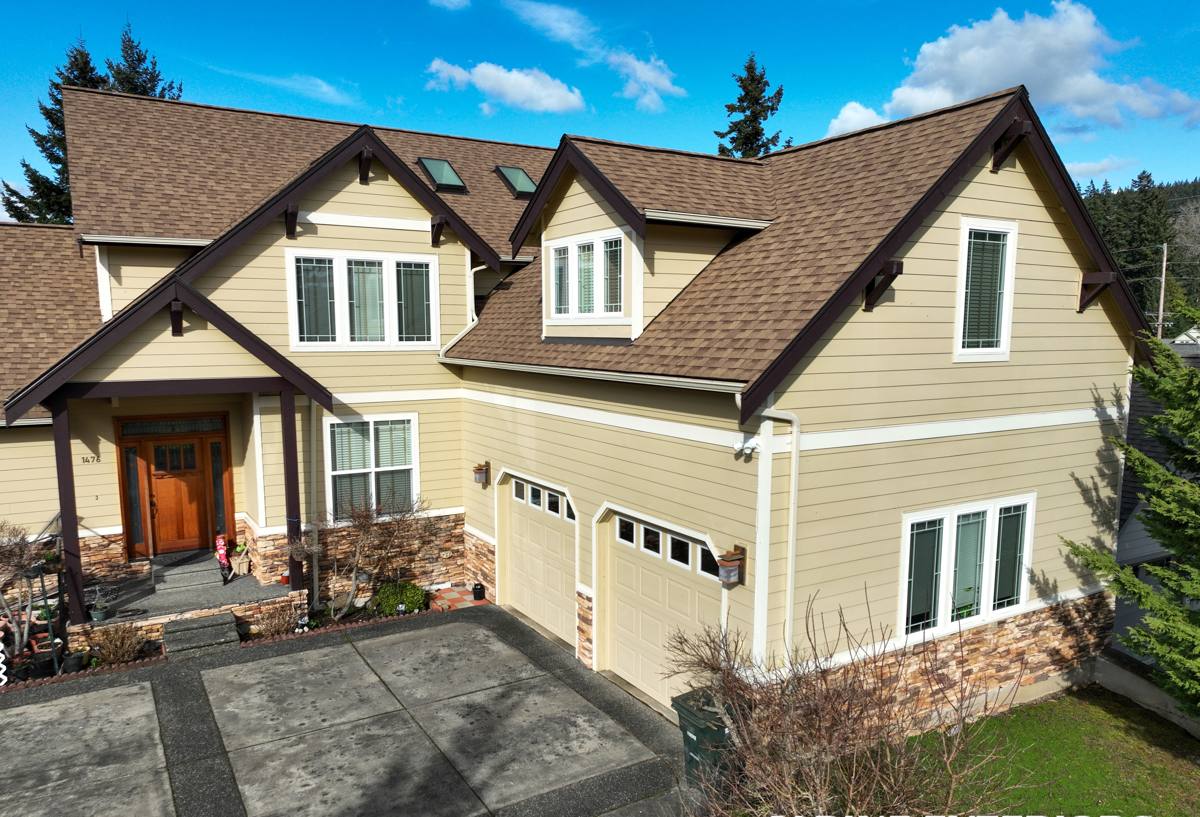
What Columbia Homes Need From a Deck
Most of the homes in and around Columbia were built well before today's deck codes and moisture standards existed, which means a lot of existing decks were either added later without much engineering or built to a standard that hasn't aged well against the local climate. A few things come up again and again on this neighborhood's lots:
- Tree cover and partial shade that slow drying time and encourage moss and algae growth on decking boards
- Older homes with ledger board attachments that were never properly flashed when the deck was added
- Sloped or uneven yards that require thoughtful footing placement and framing to keep the deck level and well-drained
- Salt-influenced air from the nearby water accelerating corrosion on unprotected fasteners and hardware
None of these are reasons to avoid building a deck — they're just the design inputs a local crew should already be factoring in before the first post hole is dug.
Choosing the Right Decking Material
There's no single "best" decking material — the right choice depends on budget, how much upkeep you want to do, and how much shade and moisture the deck will sit in. Here's how the common options compare for a Bellingham-area build:
| Material | Upfront Cost | Maintenance | How It Handles Our Climate |
|---|---|---|---|
| Pressure-treated wood | Lowest | Annual cleaning, periodic staining/sealing | Prone to moss and graying fast in shaded, damp spots without upkeep |
| Cedar | Moderate | Regular sealing to hold color and resist rot | Naturally rot-resistant but still needs protection from constant wet exposure |
| Composite decking | Higher | Occasional washing, no staining or sealing | Handles moisture well; some textured composites can still hold moss film in deep shade if not rinsed periodically |
| PVC decking | Highest | Low — soap and water | Fully moisture-resistant; best fit for heavily shaded or waterfront-adjacent lots |
We don't push a single brand on every job. We'll walk your specific lot — how much sun it gets, how close it is to mature trees, what your budget looks like — and give you an honest read on which material earns its keep over the next 15-20 years versus which one just looks good on day one.
A Note on Wood-Composite Blends
Some early-generation composite products used a wood-fiber core that could absorb moisture at cut edges and fastener penetrations if not properly capped or sealed. We only install fully capped composite or PVC products for exactly this reason — in a climate with this much sustained rain, an exposed wood-fiber edge is a slow leak waiting to happen. That's a standard we hold ourselves to, not a judgment on any specific manufacturer.
What a Correct Deck Build Involves
A deck that lasts in Whatcom County isn't just about the boards on top. Most failures we're called to repair trace back to what's underneath or hidden behind the decking:
Footings and Framing
Footings need to be sized and set below frost depth and bear on undisturbed, load-checked soil — especially important on the sloped lots common around Columbia. Framing lumber should be rated for ground contact where it's close to grade, and joist spacing should account for the actual decking material you're installing, since composite and PVC boards often have different span requirements than wood.
Ledger Attachment and Flashing
Where a deck attaches to the house, the ledger board and its flashing are the single most common point of failure we see on older decks in this area. Water that gets behind an improperly flashed ledger doesn't just rot the ledger — it works its way into the house's rim joist and wall framing. We flash every ledger connection with proper step flashing and a water-resistive barrier integrated with the home's existing siding and building paper, not just caulk over the top.
Fasteners and Hardware
Given the salt air off the bay, we use corrosion-resistant, code-rated hardware — hot-dip galvanized or stainless connectors and fasteners — throughout the structure, not just on the visible surface. Mismatched or under-rated hardware is a slow failure that doesn't show itself until years in.
Drainage and Airflow Underneath
Low decks with poor airflow underneath trap moisture against the framing and encourage rot and moss growth from below, which homeowners rarely notice until boards start feeling soft. We grade and, where needed, add ventilation or drainage systems underneath to keep air moving through the structure.
Our Process From Estimate to Final Walkthrough
- On-site assessment — we look at your lot's grade, shade, drainage, and how the deck will attach to the house, and take real measurements rather than estimating from a sketch.
- Material and design conversation — we talk through decking material, railing style, and layout against your budget and how much maintenance you're willing to take on.
- Permitting — we handle the permit application and inspection scheduling with the local jurisdiction so it's not on you to navigate.
- Demo and site prep — removal of any existing structure, footing layout, and utility checks before digging.
- Framing and structural build — footings, posts, beams, joists, and ledger flashing, built to pass inspection the first time.
- Decking, railing, and finish work — installing your chosen decking material, railings, stairs, and any lighting or finishing details.
- Final walkthrough — we go over the finished deck with you, point out any care specifics for the material you chose, and make sure every question is answered before we call it done.
Permits and Code Requirements in Whatcom County
Most new decks and significant deck rebuilds in Bellingham and unincorporated Whatcom County require a building permit, particularly when the deck is attached to the house, elevated above a certain height, or involves structural changes. Permit requirements exist for good reason — they're what catch undersized footings, missing guardrails, and unsafe stair geometry before they become a problem. We pull the required permits and build to the inspected standard as a matter of course, not as an upcharge or an afterthought. If a contractor offers to skip the permit "to save you money," that's a red flag, not a discount — it usually means the work isn't built to a standard that would pass inspection in the first place.
Maintenance Checklist for Long Deck Life
Whatever material you choose, a little seasonal attention goes a long way in this climate. A realistic yearly routine looks like:
- Sweep leaves and debris off the deck surface regularly through fall to prevent trapped moisture and staining
- Rinse or wash the surface each spring to remove winter moss, algae, and pollen film before it sets in
- Check and clear gaps between boards so water and debris can drain rather than pool
- Inspect the ledger flashing and any visible fasteners once a year for corrosion or gaps in the caulking
- Reseal or restain wood decking on the manufacturer's recommended schedule — don't wait until it's visibly gray and worn
- Trim back overhanging branches to reduce shade, leaf litter, and moss growth on the deck surface
Common Deck Problems We See and Fix
When we're called out to an existing Columbia-area deck, the issues tend to fall into a few categories: soft or rotting ledger boards from failed flashing, rusted or corroded fasteners that have weakened railings and stair connections, moss-slick surfaces in shaded areas that have become a slip hazard, and footings that have shifted or heaved over time on uneven ground. Most of these are catchable early with a yearly inspection — the expensive version of the problem is the one that's been quietly getting worse behind the decking for a few seasons before anyone notices.
Why Hire a Crew That Already Works in Columbia
A deck built to a generic national spec sheet doesn't automatically hold up here. The difference between a deck that's still solid in fifteen years and one that's soft and rotting in five usually comes down to whether the crew that built it actually accounted for Bellingham's rain totals, the salt air off the bay, and how much shade and moss pressure a specific lot deals with. We work in this neighborhood and across Whatcom County regularly, which means we're not guessing at how a given material or detail performs here — we've seen it hold up, or fail, on decks not far from yours.
If you're planning a new deck or need an honest assessment of one that's showing its age, we're happy to come take a look. Reach out for a free, no-pressure estimate using the form below — we'll walk the site, answer your questions, and give you a straight read on what your deck actually needs.