 Bellingham
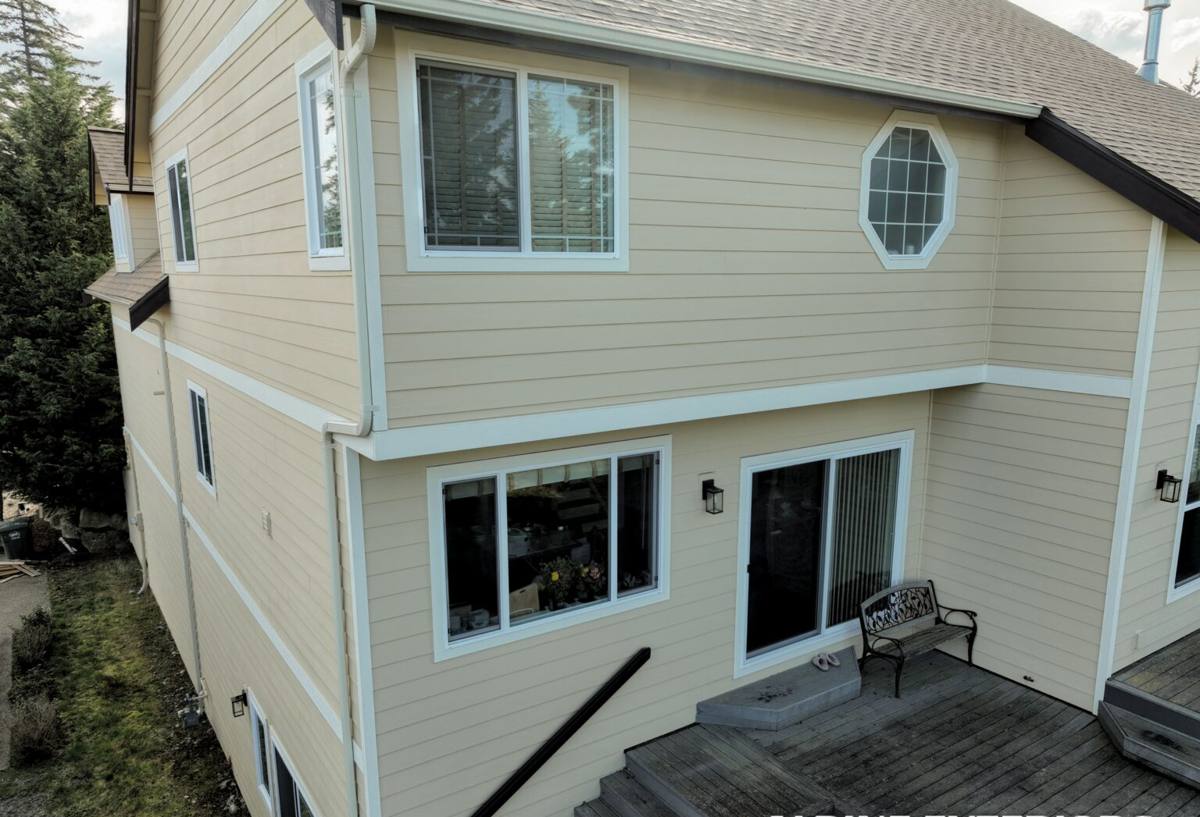
 Siding Replacement for Columbia Homes
Columbia is one of Bellingham's older, closer-in neighborhoods, and that shows in the housing stock: a mix of early-1900s homes, mid-century infill, and newer construction sitting close enough to Bellingham Bay to catch the weather coming off the water. If you own a home here, you already know the siding takes a beating that homes further inland don't see quite as badly. Salt-laden air, wind-driven rain off the bay, and a moss season that seems to stretch longer every year all work on exterior walls year-round, not just during the wet months.
Siding replacement in a neighborhood like this isn't just a cosmetic upgrade. Done right, it's the single biggest thing you can do to stop moisture and salt exposure from working their way into the wall assembly. Done wrong — or with the wrong material — you're back to dealing with the same problems in five to ten years instead of twenty-five or thirty.
Why Columbia's Location Puts Extra Stress on Siding
Salt Air and Coastal Exposure
Homes closer to Bellingham Bay deal with airborne salt that settles on exterior surfaces and accelerates corrosion of fasteners, trim, and any metal flashing components. It also breaks down some coatings and finishes faster than they'd wear inland. This is a slow, cumulative process — you won't see dramatic damage after one season, but over years it adds up, especially on the sides of a house that face the water or prevailing wind.
Driving Rain
Whatcom County gets a lot of rain, but the kind that does the most damage to siding is wind-driven rain that hits walls at an angle instead of falling straight down. That kind of rain finds every gap in flashing, every poorly caulked seam, and every spot where siding wasn't installed with the right clearances. Older homes in Columbia that haven't been re-sided in a couple of decades are especially vulnerable, since flashing details and moisture barriers from that era don't meet today's standards.
A Long Moss and Mildew Season
Bellingham's mild, wet climate means moss, algae, and mildew have a long window to establish themselves on exterior surfaces — often nearly year-round on shaded, north-facing, or tree-covered walls, which describes a fair number of Columbia lots. Organic growth on siding isn't just unsightly; on wood-based products it can trap moisture against the surface and accelerate rot underneath.
What "Correct" Siding Replacement Actually Involves
A siding replacement job is only as good as what happens underneath the new material. Simply pulling off old siding and nailing up new panels over the existing sheathing is how moisture problems get sealed in rather than solved. A proper job includes:
- Full removal of old siding and inspection of the sheathing underneath for rot, soft spots, or existing moisture damage
- Repair or replacement of any compromised sheathing before new material goes up
- Installation of a code-compliant weather-resistive barrier (house wrap) with correctly lapped and taped seams
- Proper flashing at every window, door, and roofline intersection — the details where driving rain actually gets in
- Rain-screen or drainage-gap detailing where appropriate, so any moisture that does get behind the siding has a way to drain and dry out
- Correct fastener type and spacing for the specific siding product, not a generic nail schedule
- Factory-finished panels installed to the manufacturer's specified clearances from grade, roofing, and decks
Skip any of these steps and you can end up with a house that looks brand new for a few years while the same moisture problems continue underneath the surface.
Why We Install Only James Hardie Fiber Cement
We standardized on James Hardie fiber cement siding for every home we side, including the ones we work on in Columbia, and it comes down to how the material performs against exactly the conditions this neighborhood deals with.
Non-Combustible and Dimensionally Stable
Fiber cement doesn't expand and contract with moisture the way wood-based products do, and it doesn't support the same kind of organic growth that wood siding is prone to in a shaded, damp climate. That matters directly for a moss-heavy environment like this one.
Climate-Engineered Product Lines
James Hardie makes region-specific "HZ" formulations engineered for different climate zones, including the wetter Pacific Northwest conditions we deal with here. That's not a marketing detail — it affects how the product handles moisture cycling over its lifespan.
Factory-Applied ColorPlus Finish
The ColorPlus finish is baked on at the factory under controlled conditions, rather than field-painted after installation. That gives you a more consistent, UV- and moisture-resistant finish than most site-applied paint jobs, and it holds up better against the salt air and rain exposure common near the bay.
Warranty That Transfers
James Hardie backs its products with a strong, transferable warranty — a real asset if you sell the home down the line, since the coverage doesn't just evaporate with a change of ownership.
We don't install vinyl, LP SmartSide, Cemplank, Allura, primed spruce, or cedar. Each of those products has real strengths, but each also comes with trade-offs — moisture sensitivity, maintenance burden, or installation-sensitivity — that we've decided aren't worth the risk on homes in a climate this demanding. Hardie is what we've found holds up best to the specific combination of salt air, driving rain, and moss exposure that Columbia homes face.
Cost Factors for a Columbia Siding Replacement
Every project is different, but the same handful of factors drive cost up or down on most homes in this neighborhood. We'll always give you specifics for your home during an in-person estimate, but here's what typically moves the number:
| Factor | Why It Matters |
|---|---|
| Extent of sheathing repair | Older homes near the bay more often have hidden moisture damage that needs fixing before new siding goes on |
| Home size and wall complexity | Dormers, bump-outs, and multiple gables add labor and trim work |
| Siding profile chosen | Lap siding, shingle-style panels, and board-and-batten each have different material and labor costs |
| Trim and accessory scope | Full trim replacement (fascia, corner boards, window trim) adds to the project but improves the finished look and weather seal |
| Access and site conditions | Tight lots, mature landscaping, or limited driveway access can affect labor time |
| Height and stories | Two-story sections and steep rooflines require more scaffolding and safety setup |
How Our Process Works
1. Walk-Through and Assessment
We look at your current siding, check for signs of moisture intrusion, and talk through what's driving the replacement — age, damage, appearance, or all three.
2. Written Estimate
You get a clear, itemized estimate that spells out material, labor, and any anticipated repair work, so there are no surprises once the crew starts.
3. Tear-Off and Inspection
Old siding comes off and we inspect the sheathing before anything new goes up. If we find damage, we'll show you and discuss options before proceeding.
4. Weather Barrier and Flashing
This is the step that determines how the house performs for the next 30 years — house wrap, flashing, and drainage detailing all get installed to spec, not shortcuts.
5. Hardie Installation
Panels go up per manufacturer specification, with correct fasteners, clearances, and joint treatment.
6. Final Walk-Through
We walk the finished job with you and address anything before calling it complete.
Why Hire a Crew That Already Works in This Neighborhood
Siding crews that work regularly in Whatcom County's coastal-adjacent neighborhoods develop a feel for the specific failure points that show up here — where flashing tends to fail, which wall orientations take the worst weathering, and how much drainage detailing a given home actually needs. That local pattern recognition doesn't replace following manufacturer specs, but it does mean fewer surprises and a crew that isn't learning on your house. It also means someone who can be back out to your property quickly if a warranty question or a follow-up item comes up, instead of a company that did one job in the area and moved on.
Signs Your Columbia Home May Need Siding Replacement Soon
- Visible cracking, warping, or buckling panels
- Soft spots when you press on the siding, especially near the bottom of walls or under windows
- Paint that won't hold or keeps peeling despite repainting
- Persistent moss or algae growth that comes back quickly after cleaning
- Rising energy bills that suggest the wall assembly isn't sealing the way it should
- Visible gaps, rot, or damage around window and door trim
If you're seeing any of these signs, or you just want a straight answer on whether your siding still has good years left in it, we're happy to come take a look. The estimate is free, there's no pressure, and you'll get a clear picture of what your home actually needs — just fill out the form below to get started.