 Bellingham
 Deck Repair Built for Edgemoor's Waterfront Climate
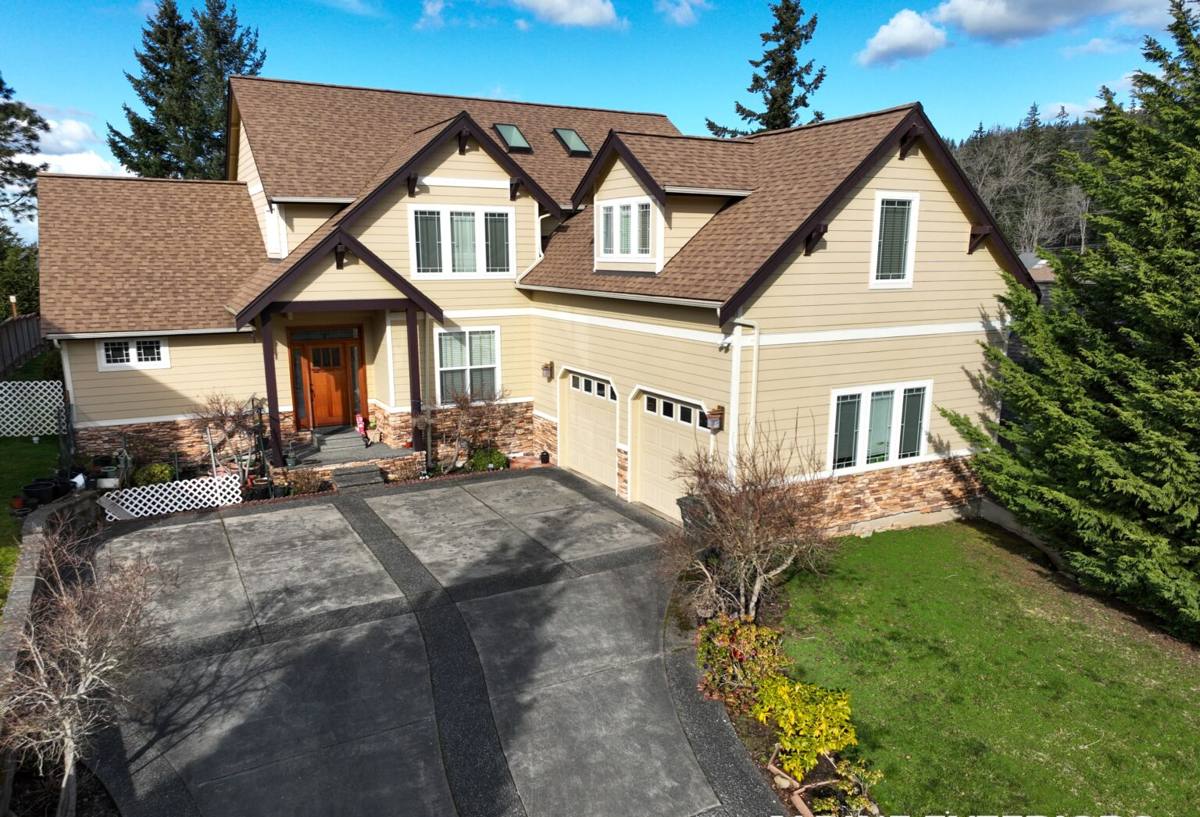
Edgemoor sits close to Bellingham Bay, tucked among mature trees on sloped, wooded lots — which makes it one of the more beautiful places to have a deck in Whatcom County, and one of the tougher places to keep one in good shape. Salt-laden air off the bay accelerates corrosion on fasteners and hardware. Heavy tree canopy keeps large sections of many decks shaded most of the day, which slows drying after every rain. And Bellingham's long, wet stretch from fall through spring means moss, algae, and standing moisture have months at a time to work into wood fiber before a real dry spell gives it a break.
None of that means a deck in Edgemoor is doomed to constant problems. It means the repair work has to account for what's actually happening to the structure, not just patch what's visible on the surface. That's the difference between a repair that lasts a few seasons and one that lasts a decade or more.
What the Regional Climate Actually Does to a Deck
Salt Air and Metal Fatigue
Proximity to the bay means airborne salt settles on everything, including screws, joist hangers, and ledger bolts. Standard fasteners corrode faster here than they would ten miles inland. Corrosion weakens the metal itself and also causes it to swell slightly, which can crack the wood fibers gripping it — a slow process that often isn't obvious until a board feels loose or a railing has slightly more give than it should.
Driving Rain and Water Intrusion
Wind-driven rain off the water doesn't just fall straight down — it gets pushed sideways into ledger connections, under flashing, and into any gap where two pieces of framing meet. Over time this is usually the real source of rot, more than rainfall totals alone. A deck can be rained on constantly and stay healthy if water sheds away cleanly; the damage comes from water that gets trapped and can't dry out.
Moss, Algae, and Shade
Decks shaded by mature trees — common throughout Edgemoor — stay damp longer after every rain event, sometimes for days. That's ideal growing conditions for moss and algae, which hold moisture directly against the wood surface and make boards slick and dangerous underfoot. Left alone, this surface growth speeds up decay in the boards beneath it.
Signs Your Deck Needs Repair
- Boards that feel spongy, springy, or noticeably softer in one area than the rest of the deck
- Railings or posts with any horizontal movement when pushed
- Rust streaking around fasteners or visible corrosion on hardware
- Gaps opening up where the deck framing meets the house (ledger board)
- Persistent moss or dark staining that keeps coming back after cleaning
- Stairs that feel uneven, bouncy, or have developed a slight lean
- Visible daylight or water staining underneath the deck at joist connections
Any one of these on its own might be a minor fix. Several together usually point to a moisture problem working through the structure, which is worth a full inspection rather than a spot repair.
Repair or Replace: How We Make That Call
Homeowners often assume a deck showing damage needs full replacement, but a well-built deck with a rotted ledger board or a few compromised joists can often be repaired at a fraction of the cost of tearing it out. The honest answer depends on how much of the structural framing — as opposed to just the surface decking — is affected.
| Factor | Usually Repairable | Usually Needs Replacement |
|---|---|---|
| Extent of rot | Isolated to a few boards or one framing section | Widespread through multiple joists or the ledger |
| Age of structure | Under 15-20 years, built to a reasonable standard | Older decks nearing the end of typical service life |
| Fastener condition | Localized corrosion, hardware still sound elsewhere | Corrosion is systemic across the frame |
| Footings and posts | Solid, level, no movement | Settled, cracked, or undersized for current code |
| Overall cost comparison | Repair runs well under half of new-build cost | Repair cost approaches replacement cost |
We'll always give you a straight answer on which category your deck falls into, including the reasoning behind it, before any work starts.
What a Correct Deck Repair Actually Involves
Structural Assessment First
Before replacing a single board, we check the parts you can't see from the surface: the ledger board connection to the house, the condition of the joists, the footings, and the posts. A deck that looks fine on top can still have a failing ledger connection underneath — and that's the single most safety-critical part of the whole structure, since it's what keeps the deck attached to the house.
Fastener and Hardware Upgrades
Given the salt air here, we don't just replace what's failed with the same grade of hardware. Corrosion-resistant, coastal-rated fasteners and joist hangers cost more up front but hold up far better in this environment, and they're the kind of upgrade that's easy to justify during a repair since the framing is already exposed.
Proper Flashing and Drainage
Where the ledger meets the house, correct flashing is what keeps water from tracking behind the siding and rotting both the deck framing and the wall structure behind it. A lot of the deck failures we see trace back to flashing that was missing, installed wrong, or simply degraded over time. We treat this as a non-negotiable part of any ledger repair, not an optional add-on.
Board Replacement That Matches Structural Reality
Swapping out visibly damaged decking boards is straightforward. What matters more is making sure the framing underneath those boards is sound before new decking goes down — otherwise you've covered up a problem instead of fixing it.
Our Repair Process, Start to Finish
- On-site inspection — we walk the full deck, check underneath, test the ledger connection, and probe any suspect boards or framing
- Honest written assessment — what's failing, why, and whether repair or replacement makes sense for your situation
- Scope and estimate — a clear breakdown of what's included, with no vague allowances
- Removal of compromised material — only what actually needs to come out, not a wholesale teardown
- Structural repair — framing, ledger, flashing, and hardware brought up to a standard that accounts for the coastal climate
- Decking and railing work — new boards and railing components installed to spec, properly fastened and spaced for drainage
- Final walkthrough — we go over the work with you before calling the job done
Materials Worth Using in This Climate
For repairs, we generally recommend matching or upgrading the existing material rather than mixing systems that expand, contract, or age at different rates. Pressure-treated lumber remains a solid, economical choice for framing and is what most Edgemoor decks are already built on. For decking surfaces, composite boards can reduce the moss and staining maintenance burden in shaded, damp spots, though they come with a higher material cost and their own installation requirements — fastening and spacing have to be done correctly or you lose the benefit. We'll walk through the honest trade-offs for your specific deck rather than pushing one material as a default.
Maintenance That Extends a Repair's Lifespan
A good repair job can be undone early by neglect, especially in a climate this wet. A short list of habits makes a real difference:
- Sweep debris and needles off the deck regularly, especially in shaded areas under tree cover
- Clean moss and algae off surfaces at least once a year, before it has a chance to hold moisture against the wood
- Check fasteners and railings for movement each spring
- Keep gutters and downspouts near the deck clear so water isn't dumping onto or near the structure
- Reapply sealant or stain on wood decking on the manufacturer's recommended schedule, not just when it looks faded
- Watch the ledger connection point for any staining or gaps opening up over time
Why a Crew That Already Works Edgemoor Matters
Deck repair done right in this part of Bellingham means understanding what the bay air, the tree cover, and the wet season actually do to a structure over years, not guessing at it. A crew that regularly works this neighborhood already knows which failure points to check first, which materials hold up and which don't, and how to build a repair that accounts for conditions a generic deck crew from outside the area might not think to look for. That local familiarity translates directly into fewer surprises during the job and a repair that's built for the environment it actually has to survive in.
If you're seeing soft spots, rust, movement, or moss you can't get ahead of, we're happy to take a look and give you a straightforward, no-pressure estimate — just fill out the form below to get started.