 Bellingham
 Decks in Happy Valley Face a Different Set of Problems
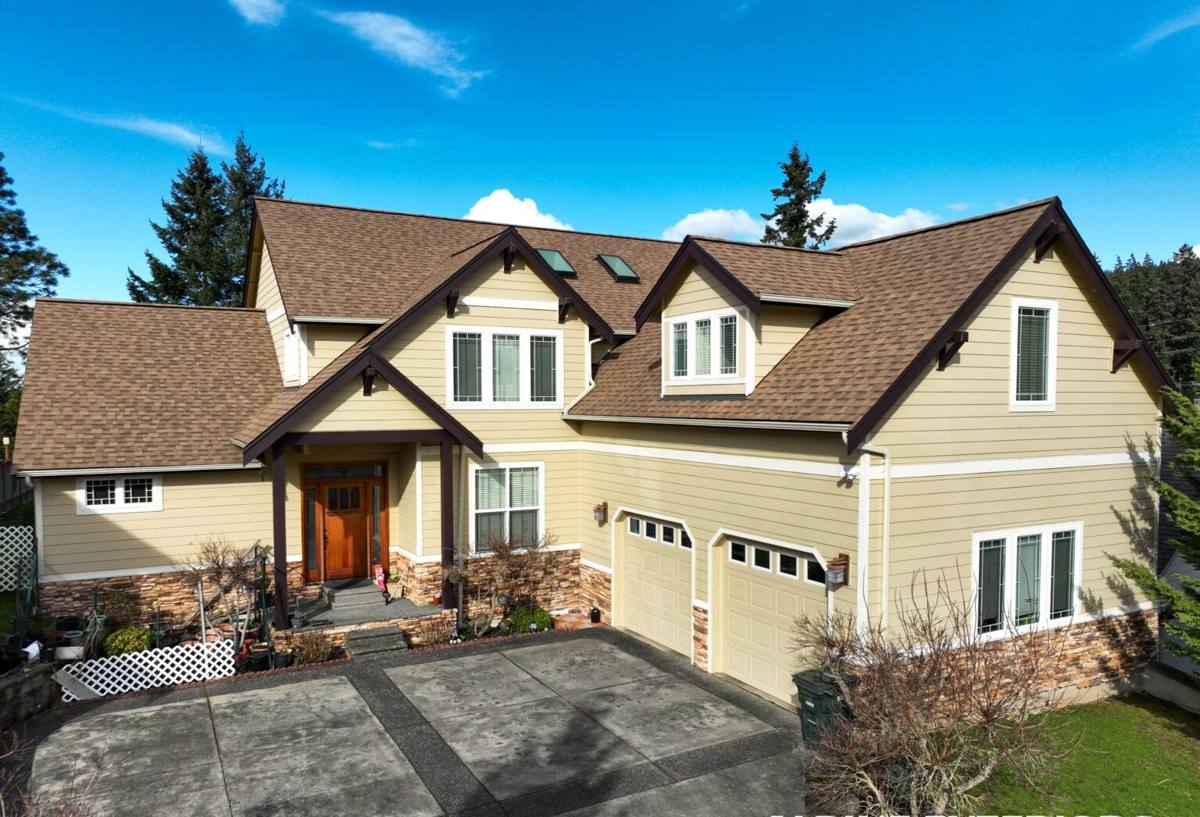
Happy Valley is one of the older, more established residential pockets of Bellingham — mature tree canopy, a mix of vintage and newer homes, and lots that often slope or catch shade for long stretches of the day. That combination is exactly what shortens the life of a poorly built deck. Shade plus moisture means slower drying times. Slower drying times mean rot, moss, and slick boards start earlier than they would on a wide-open, sun-exposed lot across town.
We're not writing this page to scare anyone into a bigger project than they need. Most decks in this neighborhood are fine for years with basic maintenance. But when we get called out to look at a failing deck in this part of Bellingham, the pattern is almost always the same: a ledger board that was never properly flashed, fasteners that weren't rated for the lumber they were driven into, or a deck surface that never had a chance to shed water because of the site's tree cover and drainage. Building it right the first time costs less than fixing it later.
What Whatcom County's Climate Actually Does to a Deck
Bellingham sits close enough to the water that salt-laden air is a real factor for any exposed metal — hinges, screws, joist hangers, railing hardware. Add in a rainy season that stretches most of the year and a long moss season on shaded or north-facing surfaces, and you've got three separate forces working against an outdoor structure at the same time.
- Salt air corrosion: Standard zinc-coated fasteners and hardware pit and rust faster near the coast, especially where a deck sits low or gets wind off the bay. Corroded hardware is one of the most common hidden failure points we find.
- Driving rain: Wind-driven rain gets pushed sideways into ledger connections, stair stringers, and any spot where the deck meets the house. If that transition isn't flashed correctly, water tracks behind the siding and rots the framing from the inside, where nobody sees it until it's serious.
- Moss and algae: Shaded lots and tree cover — common in Happy Valley — keep deck surfaces damp for days after a storm. Moss holds moisture against the wood surface and turns boards into a slip hazard, particularly on stairs.
None of this means you can't have a great deck here. It means the details that don't matter much in a dry climate matter a lot in ours.
The Connection Point That Decides Whether a Deck Lasts
Ledger Flashing
Where a deck attaches to the house is the single most important detail in the entire build. In our climate, that connection needs proper flashing — typically a metal flashing cap integrated with the house's water-resistive barrier, not just caulk over a ledger board bolted to the rim joist. Caulk fails. Metal flashing, installed correctly, sheds water for decades. We've replaced more than one deck ledger that had years of hidden rot behind it because this step was skipped or done with sealant alone.
Footings and Frost Depth
Footings need to be sized and set to the frost depth required by local code, and on the sloped lots common in this neighborhood, that often means deeper or stepped footings rather than a uniform pour. Undersized or shallow footings are one of the few deck defects that can lead to real structural movement over time, not just cosmetic wear.
Fasteners and Hardware
Modern pressure-treated lumber uses a copper-based preservative that accelerates corrosion in the wrong fastener metal. Combined with coastal salt air, that means standard electro-galvanized screws and hangers are the wrong choice here. We use stainless steel or heavy hot-dip galvanized hardware rated for ACQ-treated lumber, matched correctly to whatever decking and framing material is going on the job.
Joist Spacing and Airflow
Tighter joist spacing than the bare code minimum, and a gap under the deck for airflow, both help framing dry out between rain events instead of sitting wet. On shaded lots, that drying time is the difference between framing that lasts 25+ years and framing that needs attention in 10.
Choosing a Decking Material for This Climate
There's no single "best" decking material — every option is a trade-off between upfront cost, maintenance, and how it behaves in a wet, shaded environment. Here's how the common choices actually compare for a Happy Valley lot:
| Material | Upfront Cost | Moisture & Moss Behavior | Maintenance |
|---|---|---|---|
| Cedar | Moderate | Naturally rot-resistant but still needs sealing; moss grows on shaded, damp boards without upkeep | Annual cleaning and re-sealing recommended |
| Pressure-Treated Fir/Pine | Lowest | Prone to warping and checking if it dries and wets repeatedly; moss risk on shaded sections | Regular staining/sealing to control moisture cycling |
| Composite | Higher | Doesn't rot, but can still grow surface algae/moss in constant shade — needs periodic washing | Low — occasional cleaning, no staining |
| PVC | Highest | Fully moisture-resistant surface; best resistance to moss staining of the common options | Lowest — wash as needed |
For a deeply shaded, damp lot, we usually steer homeowners away from bare pressure-treated lumber as a final wear surface and toward cedar (if a natural wood look matters) or composite/PVC (if low maintenance matters more). That's a judgment call based on trade-offs, not a claim that any one product is bad — it comes down to how much upkeep you want to sign up for.
How We Approach a Deck Project in Happy Valley
- On-site assessment: We look at sun exposure, tree cover, slope, drainage, and how the deck will tie into the house before we talk materials.
- Design and material selection: We walk through the trade-offs above based on your maintenance tolerance and budget, not a one-size pitch.
- Permitting: We handle the permit application and inspections required for the scope of the project.
- Framing and flashing: Footings to frost depth, properly flashed ledger connection, corrosion-rated hardware throughout.
- Decking and railing installation: Fastened and spaced for drainage and airflow, with attention to any shaded sections that will need extra drying capacity.
- Final walkthrough: We cover basic maintenance specific to your deck's sun/shade exposure before we consider the job done.
Permits, Setbacks, and Code in This Area
Most new decks and significant rebuilds in Bellingham and unincorporated Whatcom County require a building permit, and the requirements typically depend on the deck's height above grade, its size, and how close it sits to property lines. Guardrail height and baluster spacing are code items that get checked at inspection, and they're not optional details — they're there because falls from decks are a real, common injury. On sloped lots, setback and grade calculations can get more involved than a flat-lot deck. We handle the permit process as part of the job so you're not the one tracking down requirements.
Maintaining a Deck Through a Bellingham Winter
A well-built deck still needs seasonal attention in this climate. Here's the baseline we recommend to every Happy Valley homeowner, regardless of decking material:
- Clear leaves and debris from between boards and off stair treads before the fall rains set in — trapped organic material is what feeds moss.
- Rinse or scrub shaded sections at least once a year to knock back moss and algae before it gets a foothold.
- Check the ledger flashing and any visible fasteners annually for rust streaks or gaps in caulking around the house connection.
- Keep gutters and downspouts near the deck clear so runoff isn't dumping extra water onto or under the structure.
- Re-seal wood decking on the schedule appropriate to the product — don't wait until it's visibly gray and dry.
- Watch for soft spots underfoot near stairs and railing posts, which are the first place hidden rot shows up.
Why It Matters That We Already Work in This Neighborhood
Building a deck that holds up in Bellingham's climate isn't exotic knowledge, but it does require actually accounting for salt air, sustained rain, and long moss seasons in the details — not just building to the minimum code spec written for a drier region. A crew that's worked lots in and around Happy Valley already knows which sides of a house tend to stay shaded longest, how sloped terrain changes footing requirements, and which hardware holds up here versus somewhere inland. That's the difference between a deck that needs attention in five years and one that's still solid in twenty-five.
If you're weighing a new deck, a rebuild, or just want an honest read on whether your current deck's ledger connection and framing are sound, we're happy to take a look. Reach out for a free, no-pressure estimate using the form below.