 Bellingham
 Why Edgemoor Homes Take a Different Kind of Punishment
Edgemoor sits up on the bluffs above Bellingham Bay, which is exactly what makes it beautiful and exactly what makes siding harder to keep in good shape. Homes here get a steady dose of salt-laden air off the water, driving rain that comes in sideways during winter storms, and heavy tree cover that keeps north- and east-facing walls shaded and damp for days after a system rolls through. That combination — salt, moisture, and shade — is a tough environment for most siding materials, and it's why we see premature failure here on products that hold up fine in drier, more open parts of Whatcom County.
Add in Bellingham's long, gray moss season, which can run from late fall through spring, and you've got siding that rarely gets a real chance to dry out between rain events. Whatever goes on an Edgemoor home needs to handle that cycle year after year without swelling, delaminating, or feeding mold and moss growth.
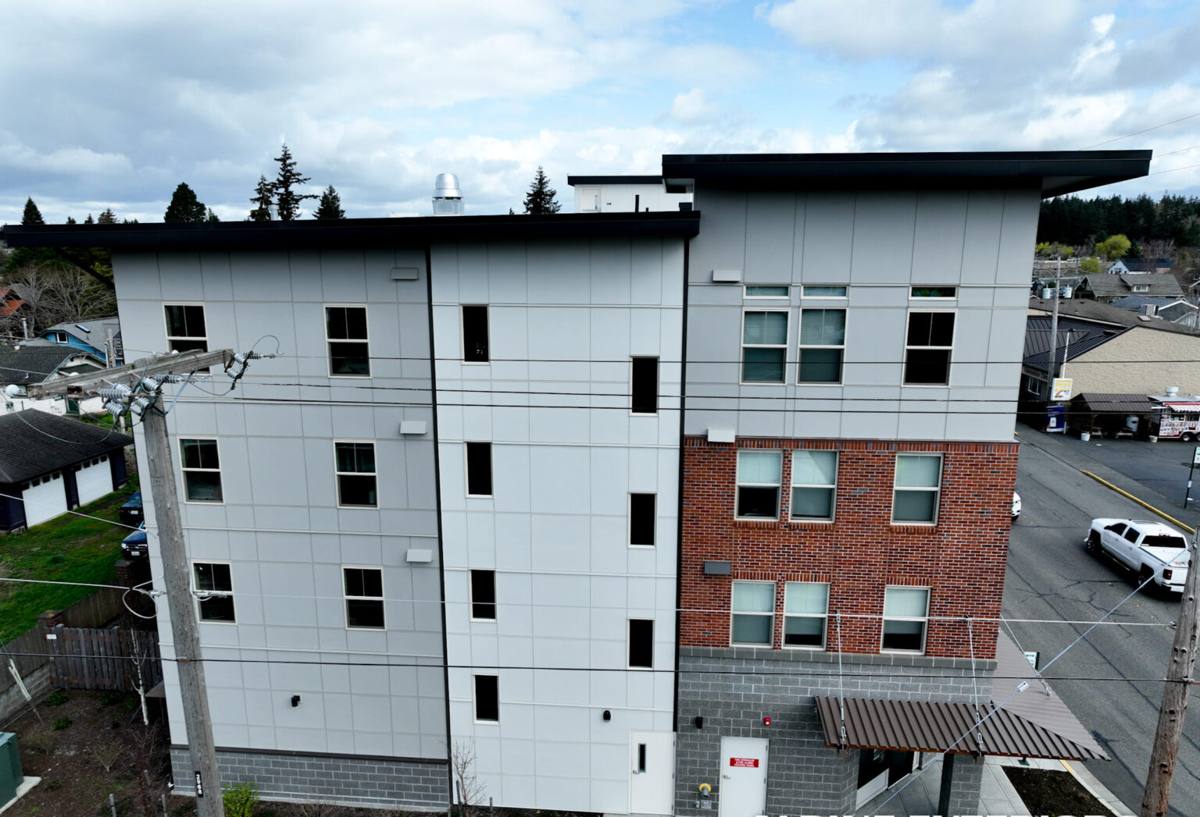
Signs Your Edgemoor Home's Siding Is Due for Replacement
Siding failure is usually gradual, and by the time it's obvious from the street, there's often damage happening underneath that you can't see. Walk your exterior and check for these:
- Soft, spongy spots when you press on the siding, especially near the bottom courses and around windows
- Visible warping, bowing, or boards that no longer sit flat against the wall
- Persistent moss or algae staining that comes back within weeks of cleaning, particularly on shaded, north-facing walls
- Cracked, gapped, or missing caulk at seams, corners, and trim joints
- Paint that's peeling, bubbling, or that needs repainting far more often than it should
- Water stains, discoloration, or musty smells on interior walls that back up to exterior siding
- Rising heating bills that suggest air and moisture are getting through the wall assembly
Any one of these on its own might just mean a repair. Several at once, especially combined with the age of the siding, usually means the material and the water-management system behind it are both past their useful life.
What a Correct Siding Replacement Actually Involves
Replacing siding isn't just swapping old boards for new ones. The siding itself is the least important part of keeping water out of your walls — what's behind it matters more. A correct job on an Edgemoor home includes:
Full Tear-Off and Inspection
We remove the existing siding down to the sheathing so we can actually see what's there. On homes near the water, this is where we often find soft or delaminated sheathing, rusted fasteners, or trapped moisture that's been doing quiet damage for years. You can't fix what you can't see, and you can't see it with the old siding still on.
Water-Resistive Barrier and Flashing
A new weather-resistive barrier goes on correctly lapped, with proper flashing at every window, door, and roof-to-wall transition. This is the layer that actually stops bulk water — the siding is the first line of defense, but the barrier and flashing are what keep a wind-driven rain event from becoming a wall leak.
Rainscreen Detailing
Given how much moisture Edgemoor's tree cover and bay-side exposure hold against a wall, we detail for a drainage gap behind the siding wherever it makes sense for the home. That gap lets any moisture that does get past the cladding drain and dry instead of sitting against the sheathing.
Correct Fastening and Clearances
Fastener spacing, siding-to-grade clearance, and butt joint treatment all follow manufacturer specification, not shortcuts. This is where a lot of siding jobs quietly go wrong — the material is fine, but the installation isn't, and problems show up two or three years later.
Why We Install Only James Hardie Fiber Cement
We standardized on James Hardie fiber cement siding and don't install vinyl, LP SmartSide, Cemplank, Allura, primed spruce, or cedar. That's not a marketing position — it's what we've decided we're willing to put our name behind after years of exterior work in exactly the kind of climate Edgemoor sits in.
Vinyl expands and contracts with temperature swings, can crack in cold snaps, and doesn't hold up structurally the way fiber cement does over decades. LP SmartSide is an engineered wood product, and any wood-based siding, including cedar and primed spruce, depends on paint and caulk staying perfect to keep moisture out — a hard standard to maintain in a neighborhood that stays damp and shaded for long stretches of the year. Cemplank and Allura are also fiber cement, and they're reasonable products, but we've built our installation process, warranty relationships, and product knowledge entirely around the Hardie system, and we'd rather be excellent at one thing than adequate at five.
James Hardie fiber cement is non-combustible, doesn't feed moss and mildew growth the way wood-based products can, and is engineered in regional formulations — Hardie's HZ5 and HZ10 climate zones — specifically for areas that see heavy moisture and wide temperature swings. The factory-applied ColorPlus finish is baked on rather than field-painted, which matters a lot on a house that gets rained on more months than not. It comes with a strong transferable warranty backed by the manufacturer, not just the installer.
HZ5 vs. HZ10: Why the Distinction Matters Here
| Product Line | Engineered For | Relevance to Edgemoor |
|---|---|---|
| HZ5 | Regions with freeze-thaw cycles and moderate moisture exposure | Used broadly across the Pacific Northwest for balanced durability |
| HZ10 | Consistently wet, humid, moisture-heavy climates | Often the better fit for shaded, tree-covered, water-adjacent lots like much of Edgemoor |
We'll walk your specific site — sun exposure, tree cover, wall orientation to the water — before recommending which formulation makes sense for your home.
Our Siding Replacement Process
- On-site assessment — We inspect the current siding, sheathing condition, and any problem areas specific to your home's exposure.
- Written estimate — A clear scope covering tear-off, sheathing repair allowances, water barrier and flashing detail, and the Hardie product and color selected.
- Tear-off and sheathing repair — Old siding comes off, damaged sheathing is identified and replaced before anything new goes back on.
- Water management installation — Barrier, flashing, and drainage detailing installed to spec.
- Hardie installation — Siding installed per manufacturer fastening and clearance requirements.
- Final walkthrough — We review the finished work with you and address anything you flag before calling the job done.
What Drives the Cost of a Siding Replacement
Every home is different, but these are the factors that most often move the price on an Edgemoor project:
| Factor | Why It Matters |
|---|---|
| Home size and number of stories | More wall area and more difficult access on taller homes increase labor time |
| Condition of existing sheathing | Hidden moisture damage from long-term water intrusion adds repair scope once walls are opened up |
| Site access and staging space | Wooded, sloped, and bluff-side lots common in Edgemoor can limit equipment and material staging |
| Trim and architectural detail | Multiple gables, dormers, and trim transitions take more time to flash and finish correctly |
| Product selection | Panel and plank sizing, color choice, and HZ5 vs. HZ10 formulation all factor into material cost |
We won't quote a number without seeing the house — anyone who does is guessing, and guesses on a project this size aren't useful to you.
Why Local Experience in Edgemoor Actually Matters
A crew that's worked this part of Bellingham knows what to expect before they even start tear-off. They know which walls are going to have moisture damage behind them based on tree cover and sun exposure. They know how to stage a job on a sloped, wooded lot without tearing up landscaping or blocking narrow access points. And they've already seen how salt air and long wet seasons affect fasteners, flashing choices, and finish durability in this specific microclimate — not just in the Pacific Northwest broadly, but on this particular stretch of the bay.
That experience shows up in small decisions that add up over the life of the siding: where to add extra flashing even when it's not strictly required by code, which walls justify the added moisture protection of HZ10, and how to sequence work around Bellingham's wetter months so the wall assembly isn't left exposed longer than necessary.
Get a Straightforward Estimate
If your Edgemoor home is showing signs of siding failure — or you're just planning ahead for a project you know is coming — we're happy to take a look and give you an honest read on what you're working with. The estimate is free, there's no pressure, and you'll get a clear explanation of what we find and why we'd recommend the approach we do. Fill out the form below to get started.