 Bellingham
 Windows Built for Edgemoor's Waterfront Exposure
Edgemoor sits close enough to Bellingham Bay that salt-laden air is a daily fact of life for the homes here, not an occasional nuisance. Combine that with Whatcom County's driving winter rain and a moss season that can stretch from October well into spring, and you have a set of conditions that punishes any window installed without real attention to sealing, flashing, and material choice. We install windows in Edgemoor regularly, and the failures we get called out to fix almost always trace back to the same root cause: someone installed the window fast, sealed it with caulk instead of proper flashing, and called it done. That approach might survive a few dry seasons. It does not survive an Edgemoor winter.
This page covers what window installation actually requires for homes in this part of Bellingham — the moisture management, the material decisions, and the process we follow so the job holds up for decades instead of years.
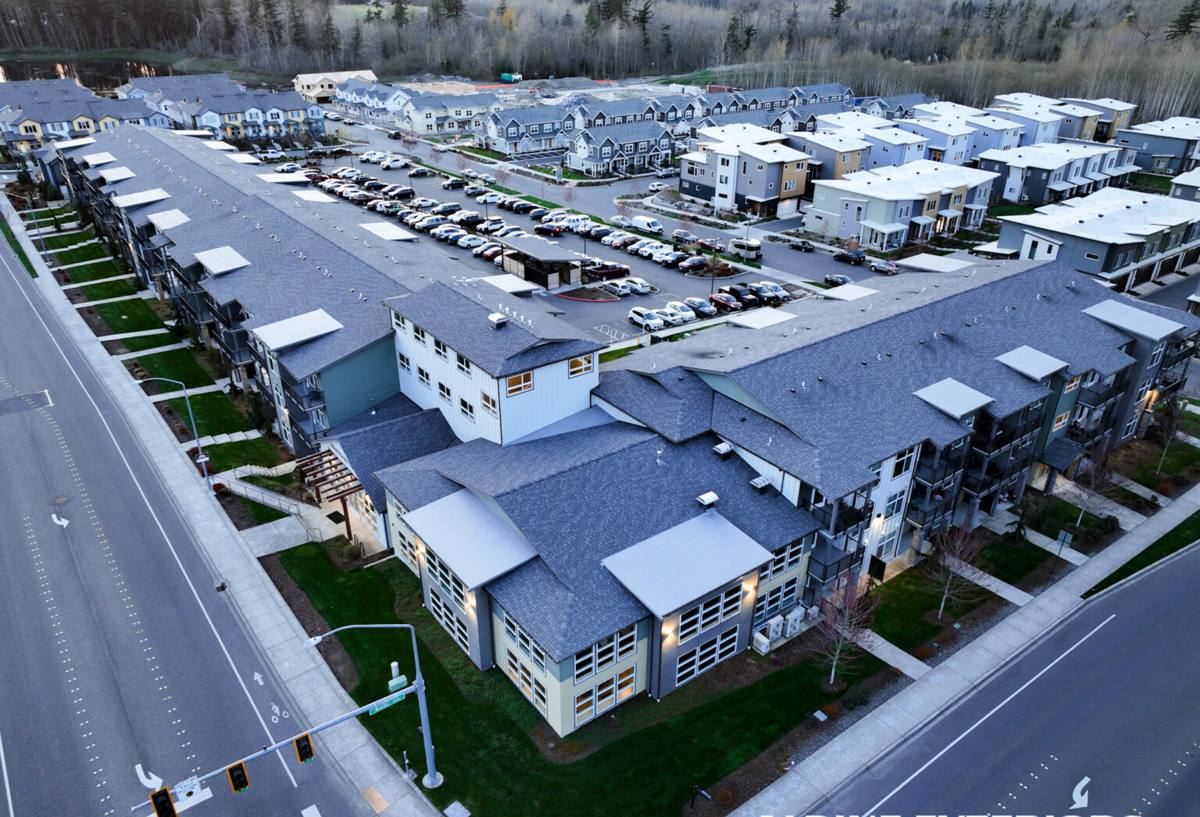
What Edgemoor's Climate Does to a Window Opening
Salt Air and Metal Components
Proximity to the bay means airborne salt settles on everything, including window hardware, aluminum flashing, and fastener heads. Over time, salt exposure accelerates corrosion on lower-grade metal components — hinges, cranks, and screws that aren't rated for coastal exposure will pit and seize years before an inland installation would show the same wear. This is one of the reasons hardware selection matters as much as the window unit itself.
Driving Rain and Wind-Driven Water
Bellingham's weather doesn't just rain straight down — wind off the water pushes moisture sideways and up under trim, sills, and poorly lapped flashing. A window opening that would stay dry in a calmer climate can take on water in Edgemoor if the flashing sequence isn't shingled correctly from the bottom up. Once water gets behind the siding at a window opening, it doesn't dry out quickly in our humidity, and that's when framing rot starts.
Moss and Prolonged Dampness
A long moss season means anything holding moisture against wood or trim for extended periods becomes a slow-motion problem. Moss on a windowsill or in an unsealed gap keeps that surface wet far longer than it would be in a drier climate, which accelerates decay in untreated wood trim and increases the chance of mold at the interior sill if a seal has failed.
What a Correct Window Installation Involves
A proper window installation in this climate is not just "unbox the window, screw it in, caulk the edges." It's a sequence, and skipping steps is exactly how homeowners end up with water stains and soft trim a few years down the road.
- Remove the old window and inspect the opening. This is the point where hidden rot, past water intrusion, or inadequate original flashing gets discovered — and addressed — before a new window ever goes in.
- Repair or replace damaged framing. Installing a new window into a rotted or compromised opening just hides the problem temporarily. Any soft wood gets cut out and replaced.
- Install a sloped sill pan. This directs any water that does get past the window to the exterior instead of letting it pool at the sill.
- Apply weather-resistant barrier and flashing tape in the correct shingled sequence. Bottom flange first, sides next, top last — so water is always directed down and out, never trapped.
- Set the window plumb, level, and square, shimmed correctly so the frame isn't stressed and the sashes operate smoothly for the life of the window.
- Insulate the gap between frame and rough opening without overpacking, which can bow the frame and cause operational issues.
- Finish with correct exterior trim and sealant at the joints designed to move, not as a substitute for the flashing underneath.
Every one of these steps matters more in Edgemoor than it would in a drier, calmer inland location. Skipping the sill pan or rushing the flashing sequence is the single most common cause of the water damage we find behind older windows during replacement.
Choosing Window Materials for a Coastal-Influenced Climate
Not every window product performs the same way under salt air and constant moisture cycling. We talk homeowners through trade-offs honestly rather than pushing whatever has the highest margin.
| Frame Material | How It Handles This Climate | Maintenance Considerations |
|---|---|---|
| Vinyl | Doesn't corrode from salt air; handles moisture cycling well | Low maintenance; color and stiffness vary by product grade |
| Fiberglass | Very stable in temperature and moisture swings; strong resistance to warping | Higher upfront cost; minimal upkeep over the life of the window |
| Wood (clad exterior) | Attractive interior look; exterior cladding protects wood from direct salt/moisture exposure | Requires the cladding to remain intact — any exposed wood needs prompt attention |
| Aluminum | Can be prone to corrosion in salt air unless properly finished; conducts cold, contributing to condensation | We recommend it selectively and explain the trade-offs before using it here |
Hardware finish matters just as much as frame material. We steer homeowners toward hardware rated for coastal or marine-grade exposure rather than standard-grade components, since that's where premature corrosion tends to show up first.
Glass and Seal Performance
Beyond the frame, the glass package affects both comfort and durability. Double-pane and triple-pane insulated glass units rely on a sealed edge to keep argon or other gas fill in place and moisture out from between the panes. In a climate with constant humidity swings, a compromised edge seal shows up faster — as fogging or condensation between the panes — than it would in a stable, dry climate. We check seal quality and warranty terms on the units we install and explain what's covered if a seal fails down the line.
Low-E coatings help manage heat loss during Bellingham's cooler months and reduce solar heat gain during the summer, without meaningfully changing the exterior appearance of the glass.
Our Installation Process, Start to Finish
1. On-Site Assessment
We look at your existing windows, the condition of the openings, sun and wind exposure on each elevation of the house, and any signs of past water intrusion before recommending anything.
2. Honest Product Recommendation
We walk through frame material, glass package, and hardware options suited to an Edgemoor exposure, with real trade-offs explained rather than a single "best" answer pushed on every job.
3. Written Estimate
You get a clear scope of work and pricing before anything is ordered — no surprise add-ons once the job starts.
4. Removal, Repair, and Installation
Old units come out, any hidden damage gets addressed, and the new windows go in following the full flashing and sealing sequence described above.
5. Final Inspection and Cleanup
We check operation, seal integrity, and trim finish on every window before we consider the job done, and we clean up the work area fully.
Signs Your Edgemoor Home Needs Window Attention Now
- Fogging or condensation trapped between the panes of a double- or triple-pane window
- Soft, discolored, or bubbling paint on interior or exterior trim near the window
- Drafts you can feel near the frame even when the window is fully latched
- Difficulty opening, closing, or latching a window that used to operate smoothly
- Visible gaps between the frame and siding, or caulk that has cracked and pulled away
- A musty smell or visible mold at the interior sill
- Corroded or seized hardware — cranks, latches, or hinges that no longer move freely
Any one of these on its own might be minor. Several together, especially on the side of the house that takes the most wind and rain, usually means it's worth having someone look at the whole opening rather than just the window itself.
Why Hiring a Crew That Already Works in Edgemoor Matters
Window installation done wrong in this climate doesn't fail immediately — it fails in year three or four, after the warranty conversation gets complicated and the homeowner has forgotten who did the original work. A crew that installs windows across Bellingham and greater Whatcom County regularly sees how salt air, wind-driven rain, and moss-season dampness actually play out over time, not just in a showroom or a manufacturer's spec sheet. That experience shapes real decisions: which sill pan detail to use, how much hardware upgrade is worth the cost on a bay-facing elevation, and where a past installer's shortcuts are likely to be hiding.
Local presence also matters after the install. If a seal issue or a warranty question comes up two years down the road, you're dealing with a crew that's still working in your neighborhood, not chasing down a contractor who's moved on to other regions.
Get a Straightforward Estimate
If you're weighing whether to repair, replace, or simply want an honest look at how your current windows are holding up against Edgemoor's salt air and rain, we're glad to take a look. The estimate is free, there's no pressure, and you'll get a clear explanation of what we find and what it would take to fix it — use the form below to get started.