 Bellingham
 Deck Repair Built for Fairhaven's Marine Climate
Fairhaven sits close to the water, and that proximity shapes everything about how a deck ages here. Salt-laden air moves in off Bellingham Bay, driving rain comes in sideways during fall and winter storms, and the shoulder seasons bring long stretches of damp, shaded conditions that keep wood surfaces wet for days at a time. A deck that would hold up fine in a drier inland neighborhood can develop real problems here within a few years if it wasn't built or maintained with this environment in mind.
We repair decks throughout Fairhaven and the surrounding Bellingham area, and the patterns we see are consistent: fasteners that have started to corrode, ledger connections that trapped moisture against the house, decking boards that cupped or split after repeated wet-dry cycles, and stair stringers or post bases that sat too close to grade and began to rot from the ground up. None of this is unusual for a Whatcom County waterfront-adjacent neighborhood — it's just the reality of building here, and it's very repairable when it's caught and addressed correctly.
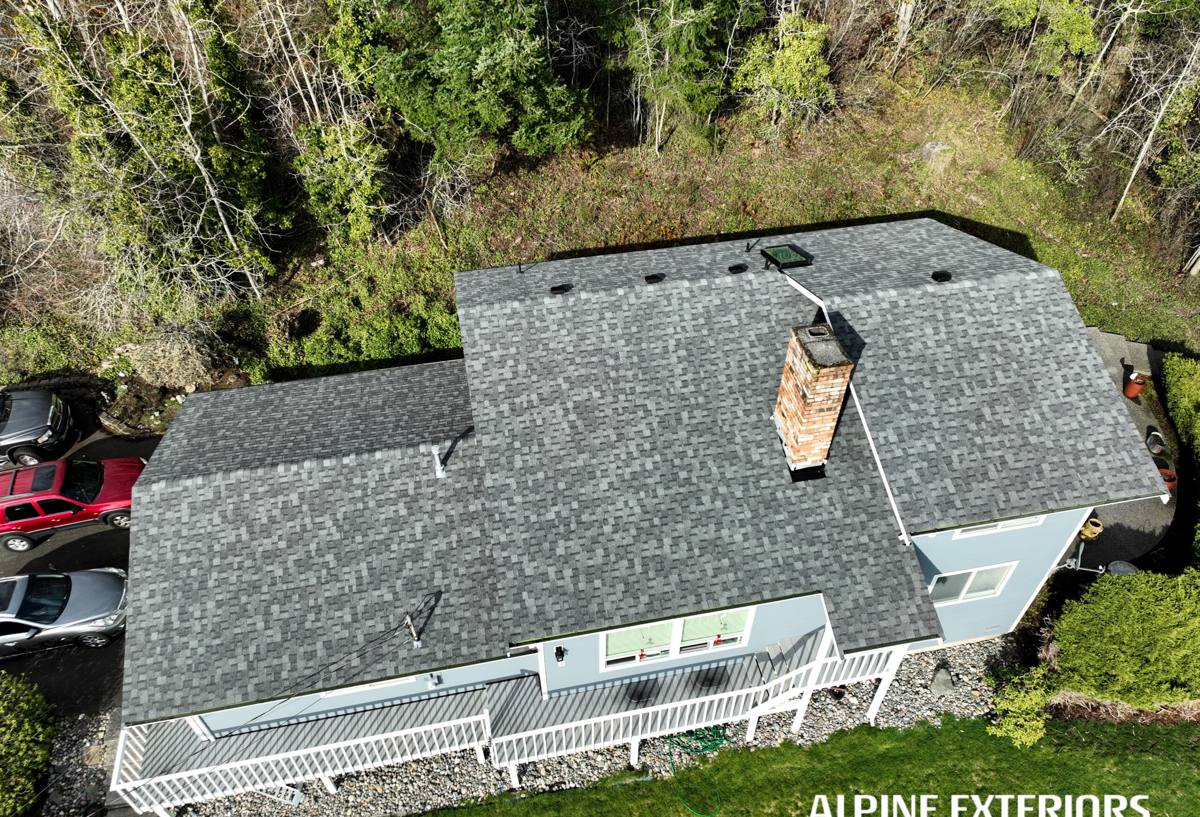
Why Salt Air and Moss Season Matter More Here
Salt Air and Metal Fasteners
Airborne salt accelerates corrosion on nails, screws, joist hangers, and structural bolts. Once a fastener starts to rust, it loses holding strength gradually and often invisibly — the head can look fine while the shank underneath is thinning. On a deck near the water, we pay close attention to fastener condition during every inspection, because corroded hardware is one of the more common hidden causes of a deck that feels "soft" or slightly loose even though the boards themselves look okay.
Driving Rain and Water Intrusion
Wind-driven rain doesn't just fall on a deck — it gets pushed sideways into ledger boards, under flashing, and into any gap where two pieces of wood meet. Over time, water finds its way into places a dry-climate deck would never have to deal with. The ledger board connection where a deck attaches to the house is a particular concern, because a failure there is both hard to see and structurally significant.
Moss, Algae, and a Long Wet Season
Bellingham's extended damp season, especially in shaded or north-facing yards common in Fairhaven's tree-covered lots, gives moss and algae plenty of time to establish on decking surfaces. Beyond being slippery, moss holds moisture against the wood surface far longer than open air would, which speeds up rot in the boards underneath it. A deck that gets scrubbed and dried out periodically will simply last longer than one where moss is left to spread.
Signs Your Fairhaven Deck Needs Repair, Not Just Cleaning
- Boards that feel spongy, bounce, or flex noticeably when you walk on them
- Visible gaps, splitting, or cupping in individual decking boards
- Rust streaks running down from screw or nail heads
- A railing or post that wiggles more than it used to
- Dark staining or a musty smell near the ledger board where the deck meets the house
- Stair stringers or post bases showing soft, discolored wood near ground level
- Moss or algae that keeps coming back within weeks of cleaning
- Fasteners that are visibly corroded, loose, or backing out of the wood
Any one of these on its own might be minor. Several together, especially near the ledger or at post bases, usually point to a repair that should happen sooner rather than later — deferred deck repair almost always costs more once rot has spread past the surface.
What a Correct Deck Repair Actually Involves
A repair that just replaces the boards you can see, without checking what's underneath, tends to fail again within a year or two. We approach deck repair in Fairhaven the same way regardless of the size of the job:
1. Structural Inspection First
Before anything gets replaced, we check the framing: joists, beams, posts, and especially the ledger board connection to the house. This is where we find the problems that aren't visible from the top — soft wood, corroded hangers, or a ledger that was never properly flashed to shed water away from the house.
2. Isolate What's Actually Failing
Not every deck needs a full rebuild. Sometimes it's a handful of boards, a section of railing, or the stairs that have taken the brunt of the weather while the rest of the structure is sound. We identify what's genuinely compromised versus what's still doing its job, so you're not paying to replace wood that has years of life left.
3. Address the Cause, Not Just the Symptom
Replacing a rotted board without fixing the drainage or flashing issue that caused the rot means you'll be back in the same spot in a few seasons. Where we find a moisture path — poor ledger flashing, boards installed tight against each other with no drainage gap, a post base sitting in standing water — we correct that as part of the repair.
4. Match Materials and Fasteners to the Environment
Given the salt air and moisture here, we use corrosion-resistant fasteners and hardware rated for exterior, coastal-adjacent use. Mixing new pressure-treated lumber or composite decking with old, corroded fasteners undermines the repair before it's finished, so hardware gets addressed alongside the wood.
Repair, Partial Rebuild, or Full Replacement?
One of the most common questions we get is whether a deck can be repaired or whether it needs to come out entirely. The honest answer depends on the framing, not the decking surface. Surface boards are almost always repairable or replaceable on their own. Structural members are a different story.
| Situation | Typical Approach | Why |
|---|---|---|
| Surface boards cupped, splitting, or gray but framing is solid | Board replacement or resurfacing | Structure is sound; only the wearing surface has aged |
| Ledger board shows rot or poor flashing | Ledger repair with proper flashing correction | Critical structural connection; must be fixed correctly, not patched |
| A few joists or posts are soft but most framing is good | Sistered joists or spot post replacement | Targeted structural repair is often sufficient |
| Widespread rot across framing, multiple failed connections | Partial or full rebuild | Patching isolated failures won't restore overall structural reliability |
| Deck was undersized, poorly ventilated, or built without proper drainage from the start | Full rebuild recommended | Repairs won't fix a design that traps moisture by nature |
We'll tell you plainly which category your deck falls into. If a repair will genuinely hold up, we recommend the repair — there's no benefit to either of us in replacing more than necessary.
Cost Factors for Fairhaven Deck Repair
Every deck repair is different, but a few factors consistently drive cost up or down more than anything else:
- Extent of structural involvement: surface-only repairs cost far less than anything touching joists, beams, or the ledger connection
- Access and deck height: a low, easily accessible deck is quicker to work on than a tall or tightly enclosed one
- Material choice: pressure-treated lumber, cedar, and composite decking carry different material costs and different labor requirements
- How much moisture damage has already spread: catching rot early keeps repairs contained; letting it spread turns a board repair into a framing repair
- Railing and stair code compliance: if railings or stairs need to be brought up to current code as part of the work, that adds scope
Rather than quote a number without seeing the deck, we walk the structure, identify what's actually needed, and give you a clear written estimate before any work starts.
Our Process for Fairhaven Homeowners
We keep the process straightforward because deck repair shouldn't feel complicated:
- Inspection: we walk the full deck, check the framing from underneath where accessible, and test fasteners, ledger condition, and post bases
- Written estimate: you get a clear breakdown of what needs repair, what's optional, and what it costs — no pressure to over-scope the job
- Repair work: we fix the structural causes first, then the visible surfaces, using fasteners and materials suited to this coastal-influenced climate
- Final walkthrough: we go over what was done and what maintenance, if any, will help the repair last
Why Local Deck Repair Experience Matters in Fairhaven
A contractor who mostly works drier, inland areas may not immediately recognize why a Fairhaven deck failed the way it did, or may default to fastener and material choices that aren't well suited to salt air and sustained moisture exposure. Working regularly in this part of Bellingham means we've seen how decks here actually age — where the moisture gets in, which connections fail first, and what actually holds up season after season versus what looks fine for a year and then doesn't.
That local pattern recognition is often the difference between a repair that lasts and one that's just cosmetic. It also means we're not guessing at what Whatcom County's climate does to exterior wood structures — it's what we deal with on every job in this area.
Maintaining Your Deck After Repair
A few habits go a long way toward protecting a repaired deck in this climate:
- Clean moss and algae off the surface at least once or twice a year, more often in shaded yards
- Keep gutters and downspouts directing water away from the deck structure, not onto it
- Check railings and stair connections periodically for looseness, especially after storm seasons
- Reapply sealant or stain on schedule if your decking is wood rather than composite
- Clear debris from between boards so water can drain instead of pooling
None of this prevents every issue, but it meaningfully slows the wear that salt air, rain, and moss cause year over year.
Get a Straight Answer About Your Deck
If your Fairhaven deck feels a little off — soft spots, loose railings, boards that never quite dry out — it's worth having someone look at it before those small issues become structural ones. We offer free, no-pressure estimates and will tell you honestly whether you're looking at a simple repair or something more involved. Use the form below to get started.