 Bellingham
 Why Happy Valley Homes Need Windows Built for This Climate
Happy Valley sits close enough to the water and the surrounding tree cover that its homes take a different kind of weather beating than houses further inland. The combination that matters here is salt-laden air off Bellingham Bay, long stretches of driving rain pushed in by wind, and a moss season that can run more than half the year on shaded, north-facing walls. None of that is dramatic on its own, but stacked together over years, it's exactly the kind of exposure that finds every weak point in a window — the seal that's starting to fail, the frame corner that was never quite sealed right, the sill that holds moisture a day longer than it should.
An energy-efficient window in this setting has to do two jobs at once: keep conditioned air where it belongs, and keep moisture, wind-driven rain, and organic growth from working their way into the wall assembly around it. A window that's efficient on paper but poorly flashed or poorly fitted for our weather will still let in cold drafts and damp air within a few years. That's the gap we focus on closing.
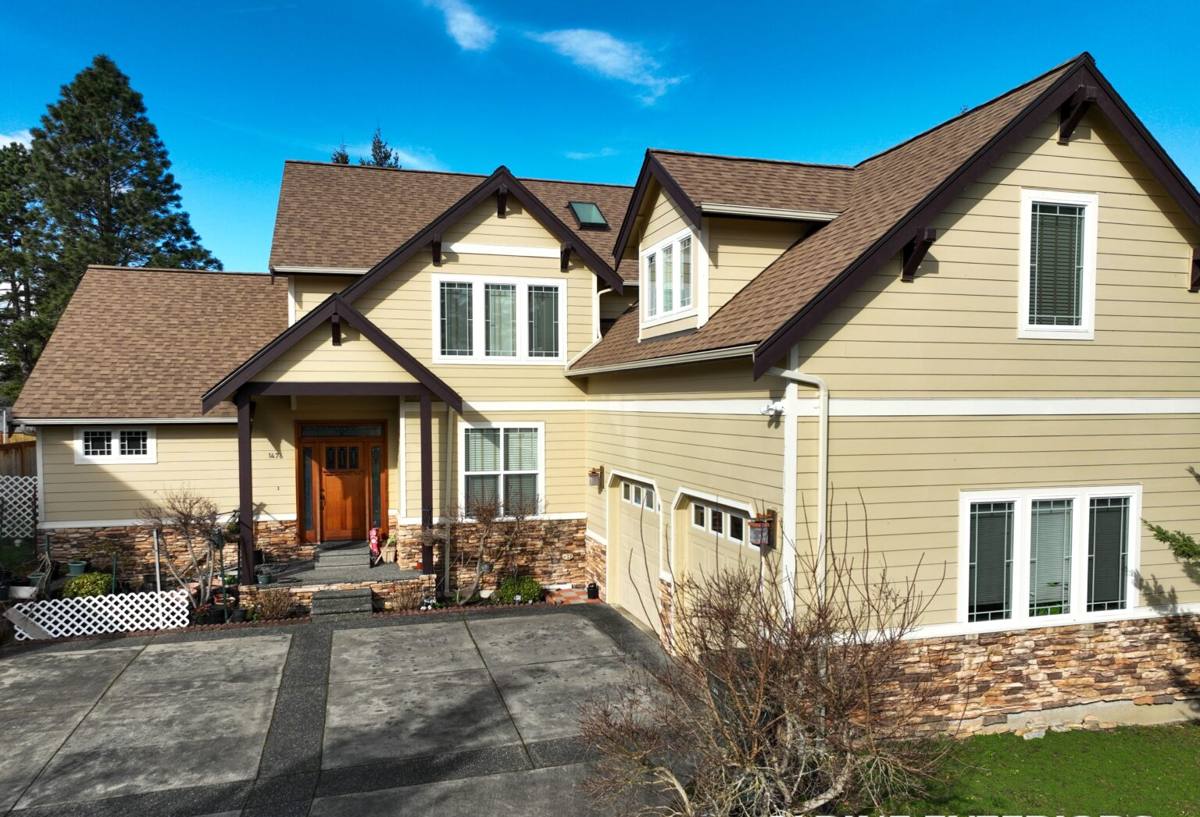
What "Energy-Efficient" Actually Means for a Bellingham Window
The label gets used loosely in the window industry, so it's worth being specific about what actually matters for a Whatcom County home.
Glass Performance
Look for a low U-factor (heat loss through the glass and frame) and a Low-E coating tuned for our climate — one that limits heat loss in winter without over-tinting the glass on our already-limited daylight months. Double-pane with a quality Low-E coating and argon gas fill is the practical standard for most homes here; triple-pane can make sense on a north or west wall that takes the brunt of wind and weather, but it's not automatically worth the added cost on every elevation.
Frame Material and Sealing
The frame and the seal around it matter as much as the glass. A well-rated window installed with a poor seal against the rough opening will underperform a mid-grade window installed correctly. This is where a lot of "efficient" window jobs quietly fail in coastal Washington conditions — the product spec sheet looks good, but the installation didn't account for wind-driven rain finding its way behind the trim.
Air Infiltration Rating
Along with U-factor, check the air infiltration number on the label. A window with a low air leakage rating holds its efficiency through the gusty, wet weather that's common on Happy Valley's more exposed lots, not just on calm days.
Signs Your Current Windows Are Working Against You
Homeowners in this neighborhood usually notice one of these before they call:
- Visible fogging or a cloudy haze between the panes — the seal has failed and the insulating gas is gone
- Cold air noticeably moving near the window even when it's shut and locked
- Soft or discolored wood on the interior sill or exterior trim, a sign moisture has been getting past the seal
- Moss or dark streaking building up on the frame or sill faster than on the rest of the siding
- Difficulty opening, closing, or locking a window that used to operate smoothly — often a sign the frame has swelled or shifted
- A noticeable jump in heating bills over a couple of winters with no other explanation
Any one of these is worth a look. Together, they usually mean the window and its seal are past the point where caulk and weatherstripping will fix the problem.
What a Correct Installation Involves
Replacing a window is not just swapping the sash in the existing frame. A correct job in this climate includes several steps that don't show up on a sales brochure but matter a great deal five years down the road:
Removing and Inspecting the Opening
Once the old window is out, we check the rough opening and sill for rot, soft framing, or existing moisture damage — common in older Happy Valley homes where a window has been quietly leaking behind the trim for years. Any damaged wood gets addressed before a new window goes in, not covered over.
Flashing and Water Management
Proper flashing directs any water that gets past the exterior trim back out, rather than letting it collect at the sill. This step is where wind-driven rain off the bay does the most damage if it's skipped or rushed, and it's the single biggest factor in whether a window install holds up here.
Air Sealing Around the Frame
The gap between the new window frame and the rough opening gets insulated and air-sealed correctly — not just stuffed with fiberglass, which settles and loses effectiveness. This is a big part of where the actual energy savings come from, more so than the glass package alone.
Exterior Trim and Sealant
Exterior caulking and trim work has to account for our rain patterns specifically — the right sealant, applied correctly, in weather that allows it to cure properly. Sealant applied over damp trim or in the wrong conditions fails early, which is a common cause of "new window, same drafts" complaints.
Comparing Window Options for This Neighborhood
| Factor | Vinyl | Fiberglass | Wood-Clad |
|---|---|---|---|
| Upfront Cost | Lowest | Mid to upper | Highest |
| Moisture Tolerance | Very good, won't rot | Excellent, very stable | Good if cladding and seals stay intact |
| Maintenance | Low | Low | Moderate — exterior cladding and seals need periodic checks |
| Expansion/Contraction | Higher, can affect long-term seal | Very low, close to glass | Low on the exterior side |
| Typical Fit for Happy Valley | Good value choice for most homes | Strong choice for exposed, wind- and rain-heavy walls | Best where interior wood appearance matters most |
There's no single right answer for every house — a lot depends on which direction a wall faces, how exposed it is, and what the rest of the home's trim and finish look like. We'll walk through the honest trade-offs for your specific walls rather than push one product line across the board.
Our Process, Start to Finish
- On-site assessment — we look at each window individually, not just the house as a whole, since exposure varies wall to wall
- Straightforward estimate — options and pricing explained in plain terms, including why we're recommending what we're recommending
- Scheduling around weather — sealants and flashing work need dry conditions to perform correctly, so we plan installation days accordingly rather than rushing through a wet forecast
- Removal, inspection, and any needed repair — addressing rot or damage found during removal before the new window goes in
- Installation with proper flashing and air sealing — the steps that determine whether the window performs in five years, not just on day one
- Final walkthrough — checking operation, seals, and exterior finish with you before we consider the job done
Why a Crew That Already Works Happy Valley Matters
Bellingham building conditions aren't uniform from one neighborhood to the next, and Happy Valley's mix of tree cover, hillside lots, and proximity to the bay creates a specific set of demands. A crew that regularly works this part of the city already knows which walls tend to take the worst of the driving rain, where moss builds up fastest, and how the local moisture cycle behaves across the seasons. That familiarity shows up in small decisions — how a sill gets pitched, which sealant holds up best on a shaded north wall, how tight a schedule can safely run before winter weather sets in. None of that is exotic knowledge, but it's the difference between a window install that's technically correct and one that's actually built for where it sits.
Keeping New Windows Performing Long-Term
New windows still need a small amount of upkeep to hit their full lifespan in our climate:
- Rinse or wipe down frames and sills periodically to keep salt residue and organic buildup from accumulating, especially on windward-facing walls
- Check exterior caulking once a year for cracking or separation, particularly after a hard winter
- Keep gutters and downspouts clear so runoff isn't sheeting down over window trim
- Trim back vegetation that's shading a window and keeping it damp longer than the rest of the house
- Operate locking hardware a few times through the year even on windows you rarely open, to keep the seal compressing evenly
None of this is heavy maintenance — it's the kind of occasional attention that keeps a correctly installed window performing for its full expected life instead of needing early intervention.
Get a Straightforward Look at Your Windows
If your windows in Happy Valley are fogging, drafty, or just past their prime, we're happy to come take a look and give you an honest read on what's going on and what it would take to fix it right. There's no pressure and no sales script — just a straight assessment from a crew that knows this part of Bellingham. Fill out the form below for a free estimate.