 Bellingham
 What Cordata's Climate Actually Does to Siding
Cordata sits in north Bellingham, close enough to the water and the marine weather patterns that move through Whatcom County that siding here takes a different kind of beating than siding in a dry inland climate. It's not one big dramatic event that causes problems — it's the accumulation of small, constant exposures over years. Salt-laden air moving in off the water accelerates corrosion on fasteners and trim metal. Driving rain, pushed sideways by wind rather than falling straight down, finds every gap in flashing and caulking that a calmer climate would never test. And the long, damp shoulder seasons that stretch from fall through spring create a moss and algae season that can run most of the year on shaded, north-facing walls.
None of that is unique to any one street or subdivision in Cordata — it's the baseline condition for exterior materials anywhere in this part of Whatcom County. What it means practically is that siding material choice and installation quality matter more here than they would in a milder, drier region. A product or installation detail that would hold up fine in Eastern Washington can fail years early on a home exposed to this level of sustained moisture.
Why We Only Install James Hardie in This Neighborhood
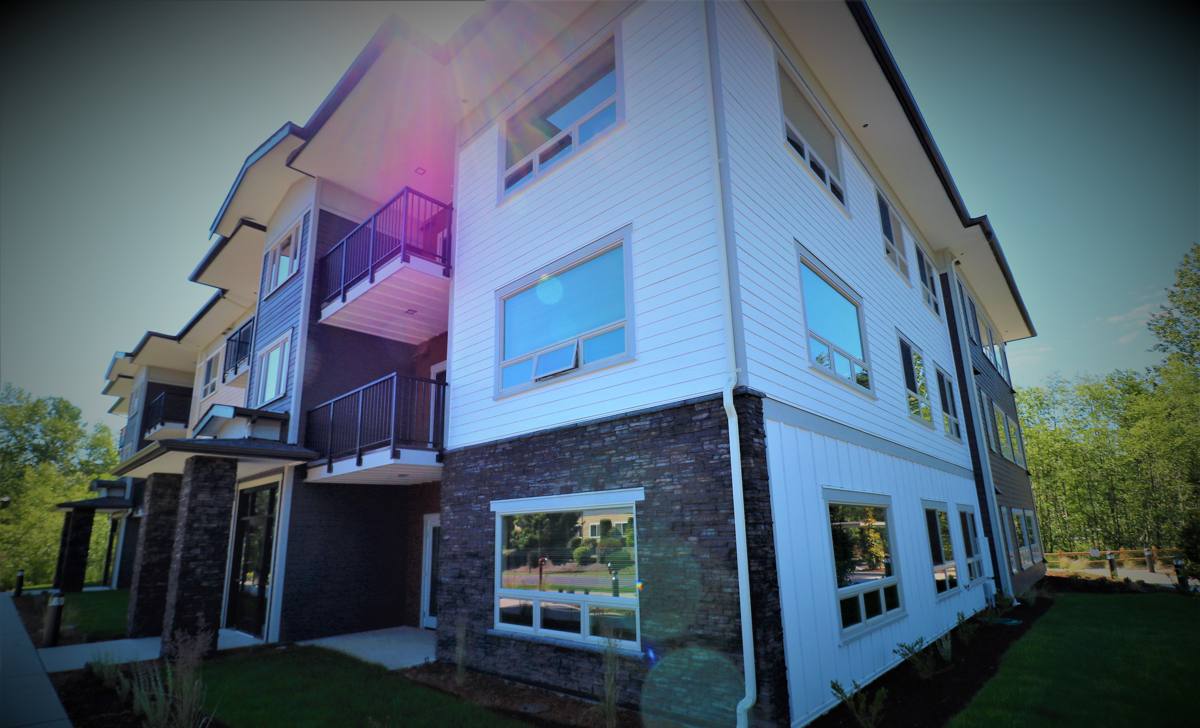
Cordata has a lot of homes built from the 1990s through the 2000s, plus newer infill construction — a mix of housing stock that means siding condition varies a lot from block to block. Some homes still have their original siding reaching the end of its service life; others have already been through one re-side with a product that didn't hold up the way homeowners expected. We install James Hardie fiber cement exclusively because it's the one siding system we can stand behind for this climate without hedging.
Fiber cement doesn't absorb and swell with moisture the way wood-based products can, and it doesn't become brittle or discolor under long-term UV and damp exposure the way some engineered wood products do. It's also non-combustible, which matters given how dry Pacific Northwest summers have trended in recent years even in a generally wet region. We're not the manufacturer, and we don't claim Hardie is flawless — but for the specific combination of salt air, wind-driven rain, and heavy moss pressure that Cordata homes deal with, it's the product we're willing to put our name behind.
What We Don't Install, and Why
- Vinyl siding — lightweight and inexpensive, but it flexes, can crack in cold snaps, and fades unevenly under years of UV exposure; it also doesn't handle wind-driven rain intrusion as well as a properly flashed fiber cement system.
- LP SmartSide and other engineered wood products — treated to resist moisture, but any breach in the finish (a nail pop, a scuff, unsealed cut edge) gives moisture a path into wood fiber that can swell and deteriorate, which is a real risk in a climate this wet.
- Primed spruce or cedar — beautiful when new, but natural wood siding in a marine climate demands a repainting and maintenance schedule most homeowners underestimate, and it's the most vulnerable of the group to moss and rot.
What a Correct James Hardie Installation Actually Involves
The siding product is only half the equation. Most siding failures we get called out to inspect aren't a Hardie problem — they're an installation problem. Getting this right in a climate like Cordata's means paying attention to details that don't show up in a walk-around inspection until years later, when it's too late.
Weather Barrier and Flashing
A continuous, correctly lapped weather-resistant barrier goes on before any siding. Every window, door, and penetration gets flashed so that any water that does get behind the siding is directed back out, not trapped against the sheathing. In a wind-driven rain climate, this layer is doing more work than the siding itself.
Clearances and Gaps
Hardie panels and lap siding need proper clearance from the roofline, decks, and grade — generally a minimum gap to keep the bottom edge from sitting in standing water or constant splash-back. Butt joints and panel seams need the gap and sealant treatment specified by Hardie, not just pushed tight and caulked over.
Fastening
Correct nail or screw type, spacing, and depth matter more in a wet climate because over- or under-driven fasteners create entry points for moisture and, over time, corrosion streaking — especially with the salt content in coastal air. We follow Hardie's fastening specifications, not generic siding practice.
Caulking and Paint Lines
ColorPlus factory-finished siding is designed to minimize field painting, but the cut edges, seams, and any touch-up work still need the right sealant and technique. Sloppy caulking is one of the most common things we find when we inspect other contractors' installs — it looks fine for a season or two, then fails.
How Common Siding Options Compare in Cordata's Climate
| Factor | James Hardie Fiber Cement | Vinyl | LP SmartSide | Cedar / Primed Spruce |
|---|---|---|---|---|
| Moisture resistance | High — doesn't swell or rot | High, but seams can leak | Moderate — vulnerable at breaches | Low — absorbs moisture readily |
| Moss/algae resistance on shaded walls | Good, especially with factory finish | Fair, prone to streaking | Fair | Poor — a common food source for growth |
| Salt air / coastal wear | Strong — non-organic material | Can become brittle over time | Moderate | Weak without diligent upkeep |
| Fire resistance | Non-combustible | Melts/deforms under heat | Combustible (wood-based) | Combustible |
| Maintenance burden | Low with factory finish | Low, but repairs are visible | Moderate — finish monitoring needed | High — regular repainting/sealing |
| Typical lifespan when correctly installed | Decades, backed by transferable warranty | 15-30 years | 20-30 years with upkeep | Highly variable, often shorter here |
Our Process on a Cordata Siding Project
1. On-Site Inspection
We walk the home and assess the existing siding, sheathing condition, moisture entry points, and any areas showing moss, staining, or soft spots — particularly on north- and west-facing walls, which tend to take the worst of the rain and shade combination in this area.
2. Product and Color Selection
We help homeowners choose the right Hardie product line and ColorPlus finish for their home's exposure and style. Some walls benefit from a different panel profile or trim detail than others, depending on sun and wind exposure.
3. Tear-Off and Substrate Check
Old siding comes off and we check the sheathing underneath for hidden rot or moisture damage before anything new goes up. Covering up a compromised substrate is one of the most common shortcuts in this trade, and it's the one we won't take.
4. Weather Barrier, Flashing, and Installation
We install the weather-resistant barrier, flash every opening, and install the Hardie siding to manufacturer specification — clearances, fastening, and joint treatment included.
5. Final Walkthrough
We review the finished work with the homeowner, point out anything they should keep an eye on (like landscaping that needs to be kept clear of siding clearances), and go over the warranty coverage.
Product Lines and Colors Worth Considering
James Hardie's HZ5 product line is engineered for climate zones like ours, with a moisture and freeze-thaw profile matched to the Pacific Northwest rather than a warmer, drier region. Within that, homeowners in Cordata typically choose between lap siding for a traditional look, panel siding for a more modern or accent application, and shingle-style siding for gable ends or feature walls. ColorPlus factory finishes come pre-baked onto the board in a range of colors designed to resist fading — worth weighing seriously in a climate where field-applied paint gets tested hard by sun, rain, and salt air in the same year.
What to Check Before Hiring Anyone for Siding Work in Cordata
- Ask whether the crew is factory-trained or certified specifically on James Hardie installation, not just "experienced with siding in general."
- Ask how they handle flashing at windows, doors, and roof intersections — vague answers here are a red flag.
- Ask what clearance they maintain at the bottom edge of the siding and around decks and grade.
- Ask whether the sheathing gets inspected during tear-off, and what happens if they find damage.
- Ask about warranty coverage — both the manufacturer's product warranty and the contractor's workmanship warranty — and get it in writing.
- Ask for references from other work done in this same general climate, not just anywhere in the region.
Warranty and Long-Term Value
James Hardie backs its siding with a strong, transferable limited warranty, which matters both for the homeowner living in the house now and for resale value later — a transferable warranty is a real selling point in a market where buyers are increasingly asking about exterior materials and moisture history. Correct installation is what keeps that warranty intact; installation errors are one of the most common reasons a warranty claim gets denied, which is another reason installation quality isn't optional in a climate that tests every seam and joint the way Cordata's does.
If your Cordata home's siding is showing moss buildup, staining, soft spots, or is simply reaching the age where a proactive replacement makes sense, we're happy to come take a look. There's no pressure and no cost to get our honest read on where things stand — just fill out the form below to request a free estimate.