 Bellingham
 Why York Roofs Wear Differently Than Other Bellingham Neighborhoods
York is one of Bellingham's older, more established neighborhoods, and that comes with a roofing profile of its own. Mature tree canopy throughout the area means more shade, more needle and leaf litter, and slower drying times after a storm than you'd see on a newer, more open subdivision. Combine that with Whatcom County's marine climate — salt-laden air rolling in off the bay, long stretches of driving rain from fall through spring, and a moss season that can run eight months or more — and you have a roof environment that punishes shortcuts. A roof system that would hold up fine in a drier inland climate can fail early here if it isn't detailed correctly for constant moisture and shade.
We see this play out in a few consistent ways on York homes: moss establishing on the north- and shade-facing slopes first, gutters and valleys loading up with organic debris faster than homeowners expect, and older roofs where the original ventilation was never sized for how damp the attic space actually gets. None of this means a good roof can't perform well here for decades. It means the installation has to account for these realities from day one, not treat them as an afterthought.
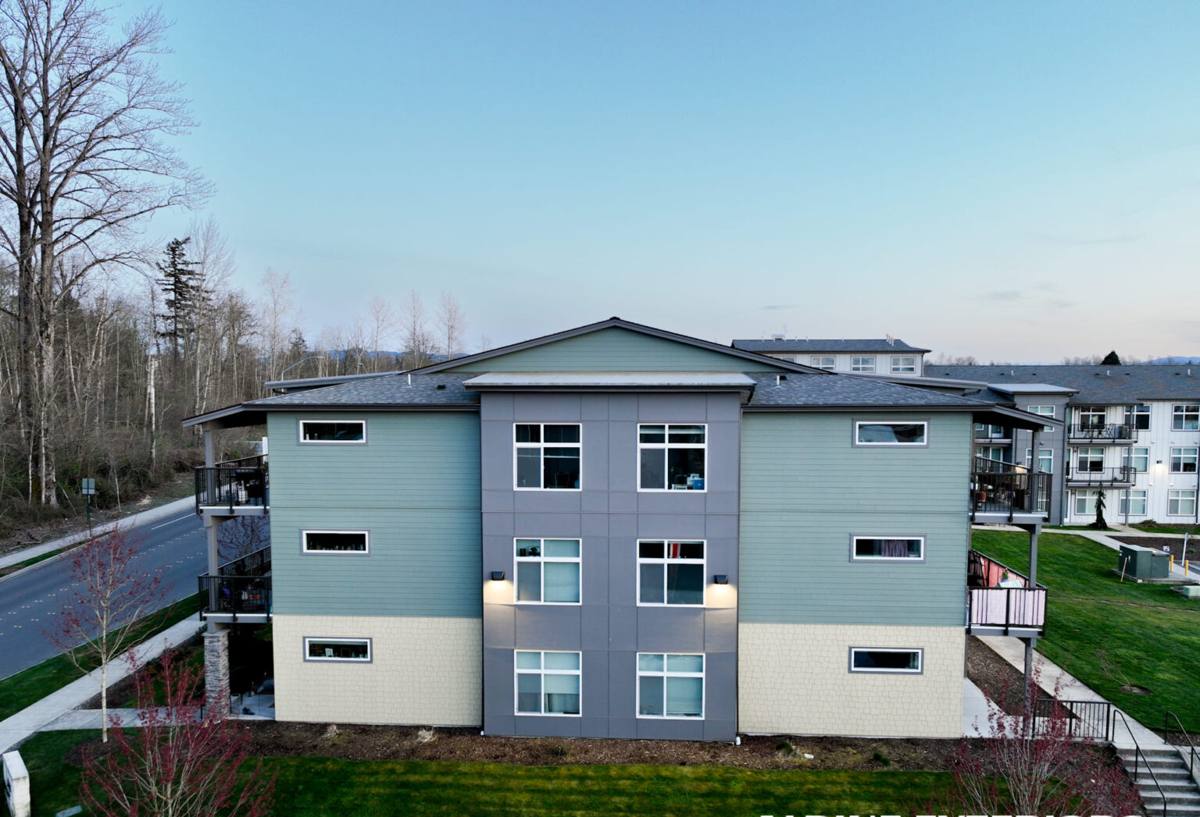
Signs a York Home Needs a New Roof, Not Another Repair
Roof repairs make sense when the underlying structure and majority of the roofing material are sound and the problem is isolated. Full replacement becomes the honest recommendation when the damage is systemic rather than local. Common indicators we look for on older York homes include:
- Granule loss heavy enough that you can see bald patches of asphalt mat, especially on south- and west-facing slopes
- Moss and algae established in the shingle mat itself, not just sitting on the surface, which lifts tabs and traps moisture underneath
- Soft spots or visible sagging in the roof deck when walked, indicating water has already reached the sheathing
- Multiple layers of old roofing already in place, which limits repair options and adds weight the structure wasn't designed to carry long-term
- Recurring leaks in more than one location, particularly around valleys, chimneys, or plumbing vents
- A roof approaching or past its material's expected service life, especially if it was installed with builder-grade materials and minimal ventilation
If a home only shows one or two of these and the rest of the roof is in good shape, targeted repair is usually the right call. When several show up together, patching becomes a short-term fix on a system that's already failing underneath.
What a Correct New Roof Installation Actually Involves
Tear-Off and Deck Inspection
A proper installation starts with a full tear-off down to the deck, not a layover. This is the only way to actually see what's happening underneath — soft or delaminated sheathing, past water damage around penetrations, or venting that was undersized from the original build. Any damaged decking gets replaced before anything new goes down. Skipping this step is one of the most common ways a new roof fails early, because you can't waterproof a deck you never inspected.
Underlayment and Water Barrier
Given how much rain Whatcom County sees over a typical winter, underlayment choice matters more here than in drier climates. We use synthetic underlayment as the standard base layer for its tear resistance and consistent water shedding, with self-adhering ice-and-water membrane at the eaves, valleys, and around every penetration — the areas most likely to see water intrusion during driving, wind-blown rain.
Flashing Details
Flashing is where most roof leaks actually originate, not the field of the roof itself. Chimneys, skylights, dormers, and sidewall transitions all need new, properly stepped or counter-flashing — never a bead of caulk over old, corroded metal. On older York homes with additions or dormers added over the years, these transition points deserve extra attention, since that's usually where a prior roofer took a shortcut.
Ventilation
A shaded, moisture-heavy climate makes attic ventilation a bigger deal than most homeowners realize. Balanced intake at the eaves and exhaust at the ridge keeps the attic space closer to outdoor temperature and humidity, which reduces condensation on the underside of the deck and helps shingles last their full rated life. On older homes we often find intake vents blocked by insulation or paint, or a ridge vent that was never cut open properly — both quietly shortening the life of an otherwise good roof.
Choosing the Right Roofing Material for York's Climate
There's no single "best" roofing material — the right choice depends on budget, the home's architecture, and how much ongoing maintenance you want to take on. Here's how the common options actually compare for a shaded, damp, salt-air environment like York's:
| Material | Moss/Algae Resistance | Rain & Wind Performance | Typical Lifespan | Maintenance Level |
|---|---|---|---|---|
| Architectural asphalt shingles | Good with algae-resistant granules; still needs periodic cleaning in shade | Strong when properly nailed and sealed | 25–30 years | Low to moderate |
| 3-tab asphalt shingles | Fair; more prone to moss lift at tab edges | Adequate but less wind resistance than architectural | 15–20 years | Moderate |
| Standing seam metal | Excellent; sheds moss growth naturally | Excellent in wind and heavy rain | 40–50+ years | Low |
| Synthetic/composite shakes | Good; resists moisture absorption better than wood | Strong | 30–50 years | Low |
For heavily shaded lots — common throughout York's tree-lined streets — we generally steer homeowners toward architectural shingles with algae-resistant granules or metal roofing over basic 3-tab products. It's not that 3-tab shingles are a bad product; it's that the thinner profile and flatter lay give moss and algae more of a foothold in a climate where shade and moisture linger for months at a time. That's a maintenance and longevity trade-off worth knowing upfront, not a defect claim against any manufacturer.
Our Installation Process From Estimate to Cleanup
- On-site assessment. We walk the roof, check the attic for ventilation and moisture signs, and measure for an accurate material quantity — no drone-only estimates.
- Written proposal. You get a clear scope of work and pricing broken out by material, labor, and any deck repair allowance, so there are no surprise change orders mid-job.
- Material staging. Materials are delivered and staged to protect landscaping and driveways, which matters on the more mature, established lots common in York.
- Tear-off and deck repair. Old roofing comes off in sections to limit weather exposure, damaged decking is replaced, and the deck is inspected before anything new is installed.
- Underlayment, flashing, and roofing installation. Installed in the sequence and manufacturer specifications required to keep warranties valid.
- Ventilation check. Intake and exhaust venting is verified or corrected as part of the install, not left as-is by default.
- Final walkthrough and cleanup. Magnetic sweep for nails, full debris removal, and a walkthrough so you know exactly what was done and what to watch for going forward.
Moss, Algae, and Ongoing Roof Care in a Shaded, Damp Climate
A new roof installed correctly will hold up far better against moss and algae than an aging one, but no roof in this climate is maintenance-free. A little seasonal attention goes a long way toward protecting the investment:
- Keep overhanging branches trimmed back to reduce shade, leaf litter, and debris buildup on the roof surface
- Clear gutters and valleys at least twice a year — more often on lots with heavy tree cover
- Have moss gently removed by a professional rather than pressure-washed, which can strip granules and shorten shingle life
- Consider zinc or copper strips near the ridge on new installations, which help inhibit moss regrowth over time as rain washes trace metals down the slope
- Schedule a roof inspection after any major windstorm common to Whatcom County's fall and winter weather pattern
- Watch for granule accumulation in gutters, which signals accelerated shingle wear and is worth a professional look
Permits, Codes, and Insurance Considerations
A full tear-off and reroof in Bellingham and unincorporated Whatcom County generally requires a building permit, and inspections are typically tied to underlayment and, in some cases, final coverage. A contractor who pulls the permit and schedules inspections properly is protecting you as the homeowner — it's what keeps the work tied to your address and your warranty valid if a claim or resale question ever comes up. We also recommend confirming with your homeowner's insurance carrier what documentation they'll want after a replacement, since many carriers offer a discount or credit for a new roof, particularly one with impact- or wind-rated materials.
Why Hiring a Crew That Already Works in York Matters
Roofing crews that work regularly in a specific neighborhood pick up on things that don't show up in a generic estimate. They know which streets sit under heavier tree cover and need extra attention to ventilation and moss-resistant materials. They know how driving rain off the bay tends to hit certain roof orientations harder than others. They've already worked through the county's permitting and inspection process enough times that it doesn't slow the job down. That local familiarity translates into fewer surprises during the tear-off, a more accurate first estimate, and a roof detailed for the conditions it will actually face — not a one-size-fits-all install.
It also means faster response if something does come up after the job is done. A crew that's local to Bellingham and already knows your neighborhood isn't starting from scratch if you call about a question two years down the road.
Get a Straightforward Roofing Estimate for Your York Home
If your roof is showing its age, dealing with heavy moss, or you just want an honest read on where it stands, we're glad to take a look. The form below gets you a free, no-pressure estimate — a real walk of the roof and attic, a clear explanation of what we find, and straightforward options with no hard sell.