 Bellingham
 Windows Built for the Puget Area's Weather, Not Just the Opening
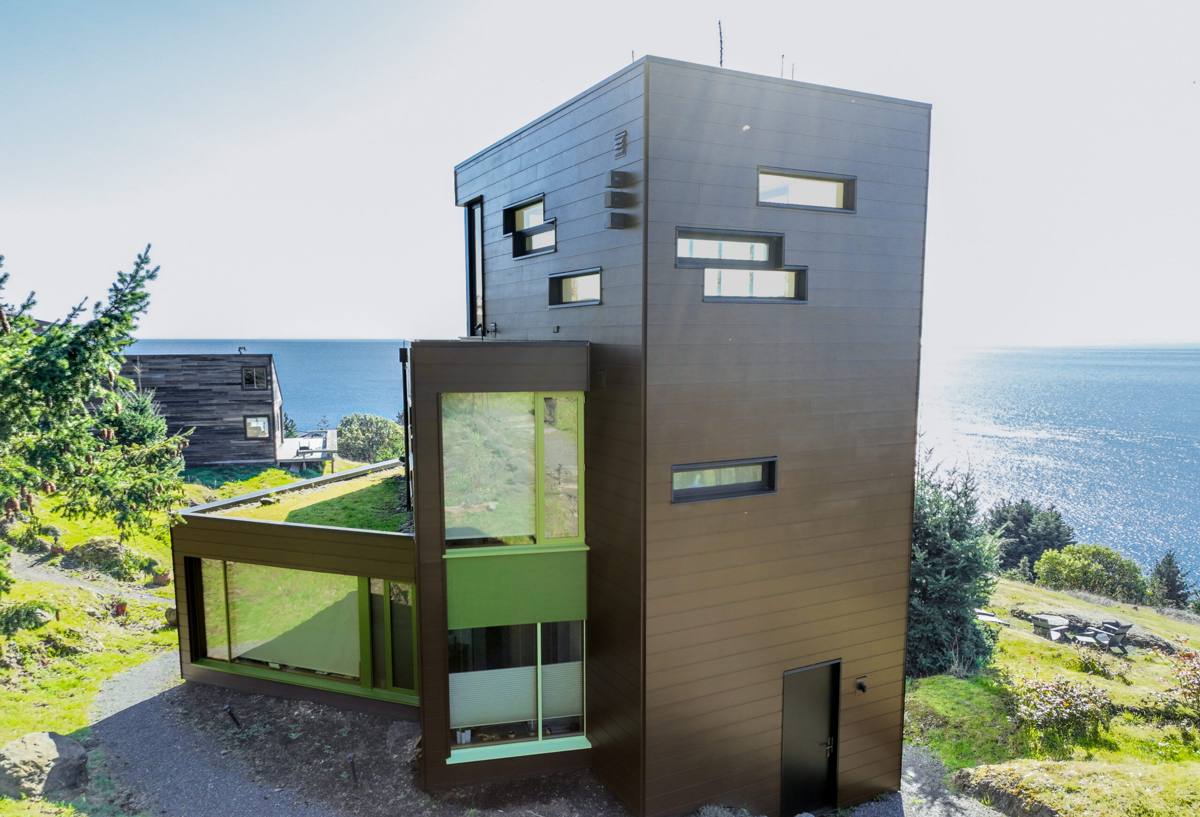
Puget is a residential pocket of Bellingham that takes the full brunt of what Whatcom County weather can do to a house. Homes here sit close enough to the water to pick up salt-laden air, get hit with driving, wind-pushed rain off and on most of the year, and — thanks to mature tree cover common in this part of town — spend long stretches of the year shaded and damp enough to grow moss on anything that holds moisture. None of that is unique to any one street; it's the general character of this stretch of Bellingham, and it's exactly the combination that wears out windows faster than manufacturers' brochures suggest.
A window that works fine in a dry inland climate can fail here in ways that aren't obvious until the damage is already inside the wall. Custom window work in Puget isn't about upgrading for the sake of it — it's about matching the product and the install to conditions that are genuinely harder on a building envelope than most of the country deals with.
What This Climate Actually Does to Windows
Salt Air and Metal Components
Proximity to Puget Sound means airborne salt finds its way onto every exterior surface, including window hardware. Cheap or unprotected fasteners, hinges, and lock mechanisms corrode faster in this environment than inland. It's a slow process, so it's easy to miss until a lock is seizing up or a hinge is staining the frame with rust streaks.
Driving Rain and Wind-Driven Water
Bellingham doesn't just get rain — it gets rain pushed sideways by wind coming off the water. That matters because a window's weakest point usually isn't the glass, it's the perimeter: the flashing, the sill pan, and the sealant joints. Wind-driven rain finds gaps that a gentle vertical rain never would, and once water gets behind a window frame, it can travel a long way inside a wall before it shows up as a stain or soft spot.
Moss, Shade, and Slow-Drying Wood
Shaded lots and long wet seasons mean surfaces stay damp longer between dry spells. Wood sills, trim, and cladding around windows don't get the chance to fully dry out that they would in a sunnier location. Moss and algae growth on and around window trim isn't just cosmetic — it holds moisture against the wood and accelerates rot if the trim isn't properly primed, sealed, and detailed to shed water.
What "Custom" Actually Means on a Job Like This
"Custom windows" gets used loosely in this industry. On a Puget home it usually means one or more of the following:
- Non-standard openings — older Bellingham homes often have window rough openings that don't match today's stock sizes, so units get built to fit rather than the opening getting reframed to fit a stock unit.
- Matching sightlines and grid patterns on additions or partial replacements so new windows don't look bolted onto an older facade.
- Mixed-material transitions where a window meets fiber cement, wood lap siding, stucco, or brick, each of which flashes and seals differently.
- Upgraded hardware and finish packages specifically to resist the corrosion this area's salt air causes.
- Performance glass packages chosen for solar exposure, privacy, or noise rather than a one-size-fits-all default.
Custom doesn't have to mean exotic shapes or premium price tags — it means the window and the installation detail are actually specified for the house and the site, not pulled off a generic spec sheet.
Frame Material Options for This Climate
Every frame material has trade-offs in a wet, salt-influenced climate. None of them is universally "best" — the right call depends on the home's style, budget, and how exposed the windows are to weather.
| Material | Moisture Behavior | Maintenance | Best Fit |
|---|---|---|---|
| Vinyl | Won't rot; seams and welds need to be well-made to stay watertight long-term | Low — occasional cleaning | Budget-conscious replacements, rental properties, straightforward openings |
| Fiberglass | Very stable in wet/dry cycling, resists warping | Low | Homes wanting durability without wood upkeep |
| Wood-clad | Exterior clad protects wood core, but any cladding breach lets moisture reach wood | Moderate — watch cladding seams and interior wood finish | Traditional-style homes where interior wood look matters |
| Solid wood | Attractive but most vulnerable to this area's damp/shade conditions without diligent upkeep | High — regular painting/sealing | Historic or architecturally specific homes, owners willing to maintain finish |
| Aluminum | Durable frame but poor insulator and prone to condensation without thermal breaks | Low | Larger commercial-style openings, rarely the first choice for residential in this climate |
We don't push one material as the answer for every house. We'll walk through what each option actually costs to own over time here, not just to buy, because a window that looks like a bargain and then needs repainting every two years in Bellingham's shade isn't actually cheap.
Signs Your Current Windows Are Losing the Battle
Most window failures in this climate are gradual. Before scheduling anything, walk your home's exterior and interior and check for these:
- Soft, spongy, or discolored wood trim or sill around the window frame
- Paint that's bubbling, peeling, or repeatedly failing in the same spot
- Visible moss, algae, or black staining building up on sills and lower trim
- Condensation or fogging between panes on double- or triple-glazed units — a sign the seal has failed
- Drafts or a noticeable temperature difference near the window even with it closed
- Hardware that's stiff, corroded, or difficult to lock and unlock smoothly
- Visible daylight or gaps around the frame from inside
- A musty smell in the room, which can indicate hidden moisture in the wall cavity
Any one of these can be minor on its own. Two or three together, especially on the same window, usually means water has already been getting past the perimeter for a while.
How a Correct Installation Actually Works Here
Flashing and Water Management Come First
The window unit itself is often not what fails — the flashing detail around it is. A correct install builds a drainage path so any water that does get past the exterior cladding is directed back out, not into the wall. That means proper sill pan flashing, correctly lapped house wrap or weather-resistive barrier, and head flashing that sheds water outward and downward, in that order, every time.
Sealant Is a Detail, Not an Afterthought
Caulking a window in isn't the same as sealing it correctly. The wrong sealant, applied at the wrong point in the sequence, can actually trap water inside the assembly instead of keeping it out. We use sealants and backer rod appropriate for this climate's temperature swings and rain exposure, and we place them to work with the flashing system, not in place of it.
Fit, Shimming, and Insulation
A window that's out of square, poorly shimmed, or has gaps packed with the wrong insulation type will perform worse than its rated specs no matter how good the unit is. We shim for square and level, use appropriate low-expansion foam or backer material around the frame, and check operation before final trim goes on — not after.
Our Process, Start to Finish
- On-site assessment — we look at existing window condition, framing, and any signs of past water intrusion before recommending anything.
- Honest scoping — full replacement, partial replacement, or repair, based on what the home actually needs, not the biggest job available.
- Material and glass selection — matched to sun exposure, style, and budget, with trade-offs explained plainly.
- Precise measurement and ordering — custom units are built to the actual opening, accounting for any out-of-square conditions common in older homes.
- Installation with proper flashing and sealing — following the water-management sequence above, not shortcuts.
- Final walkthrough — operation check, weatherproofing check, and cleanup before we consider the job done.
Why a Crew That Already Works Puget Matters
Window installation isn't purely a product decision — it's a site-specific one. A crew that regularly works this part of Bellingham already knows what wind-driven rain does to a poorly flashed sill, has seen how quickly moss establishes itself on shaded trim, and understands which hardware finishes hold up against salt air and which corrode within a couple seasons. That experience shows up in the details you don't think to ask about: flashing sequence, sealant choice, hardware spec, and how the new window ties into your specific siding type.
It also matters for permitting and code familiarity. Whatcom County and City of Bellingham requirements around egress, energy code, and exterior work can affect what's allowed on a replacement or new opening, and a local crew isn't learning that on your job.
Cost Factors for a Puget Window Project
Every project is different, so we won't quote a number without seeing the home, but the main cost drivers are consistent:
| Factor | How It Affects Cost |
|---|---|
| Number and size of openings | More directly proportional than most people expect — larger units and more openings raise both material and labor cost |
| Frame material | Vinyl typically lowest upfront; fiberglass and wood-clad cost more but shift maintenance burden |
| Condition of existing framing | Rot or water damage found during removal adds repair scope before a new window can go in correctly |
| Glass package | Upgraded low-E coatings, gas fills, or triple glazing add cost but affect comfort and energy performance |
| Custom sizing or shape | Non-standard openings or shapes cost more than stock sizes due to manufacturing lead time and precision |
| Trim and exterior detail work | Matching existing trim profiles or repairing surrounding siding adds labor |
We'd rather walk a homeowner through these factors honestly during an estimate than throw out a lowball number that grows once the old windows come out.
Get a Straight Answer About Your Windows
If your windows in the Puget area are showing any of the wear signs above, or you're planning ahead for a remodel, we're glad to take a look and give you a straightforward read on what's needed — no pressure, no upsell. Fill out the form below for a free estimate, and we'll walk you through your options in plain terms.