 Bellingham
 Windows Built for Puget's Marine Climate
Puget sits close enough to Bellingham Bay that homes here deal with a specific combination of weather stresses most inland Whatcom County properties don't face in the same way. Salt-laden air off the water accelerates corrosion on hardware and fasteners. Driving rain, pushed sideways by wind off the bay, tests every seal and flashing detail around a window opening. And the long, damp moss season that runs through fall, winter, and much of spring keeps humidity levels elevated for months at a stretch, which matters more than most homeowners realize when it comes to window performance and glass condensation.
Energy-efficient windows aren't just about a lower heating bill, though that's a real benefit. In a neighborhood like Puget, the bigger issue is often moisture management and air sealing. A window that isn't properly flashed or that has degraded weatherstripping doesn't just leak heat — it can let wind-driven rain track behind trim and siding, which is where the expensive problems start. We treat window replacement and installation in this area as a weather-sealing project first and an efficiency upgrade second, because getting the first part wrong undermines the second.
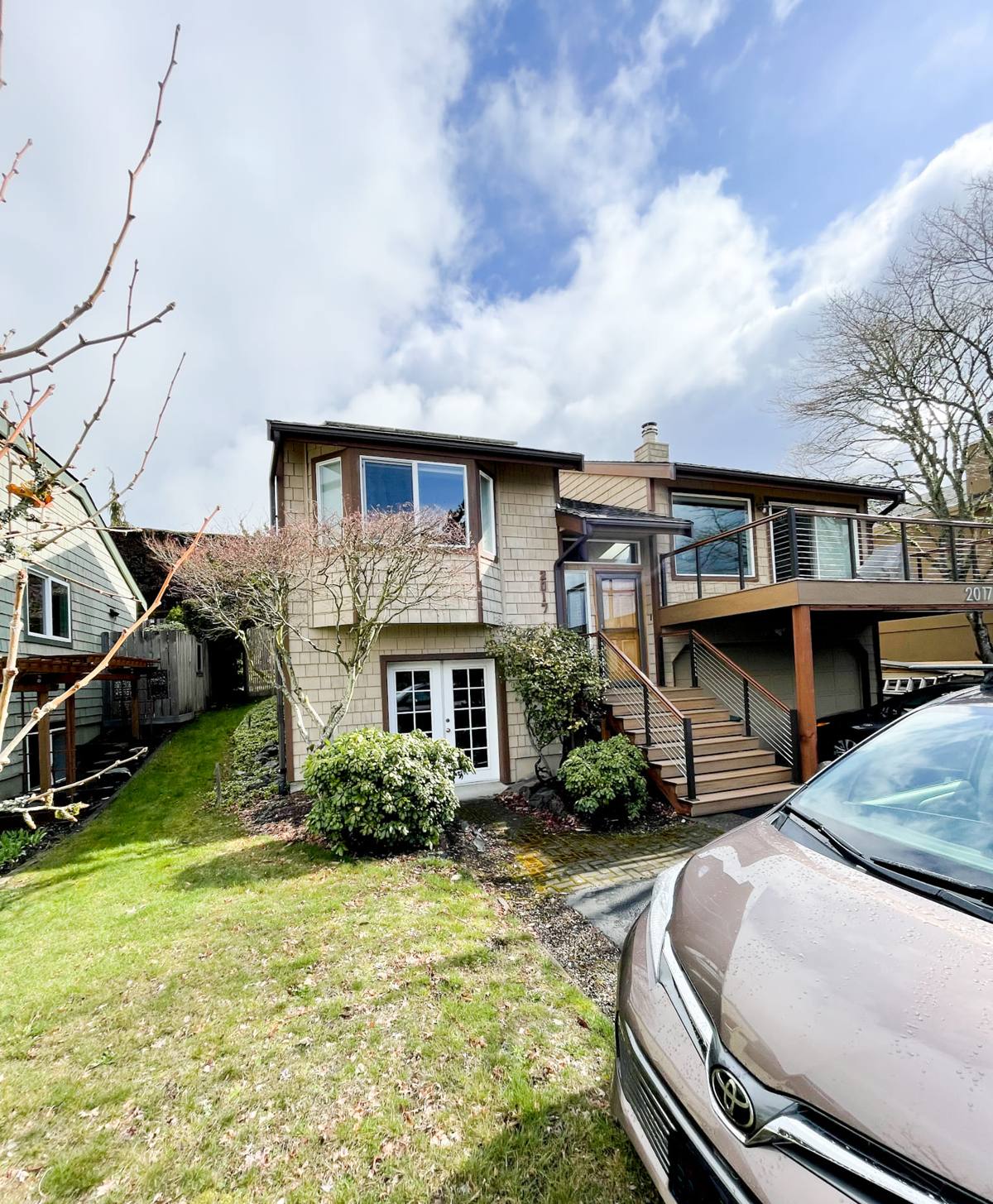
What Local Homes Actually Need
Most homes in and around Puget fall into a few common categories, and each one has different window needs:
- Older single-pane or early dual-pane homes: Original wood or aluminum-frame windows from decades past are usually well past their useful sealing life. Aluminum frames in particular conduct cold straight through and often show condensation and frame corrosion from years of salt air exposure.
- 1990s–2000s vinyl replacements: Many of these were adequate when installed but used lower-grade seals and glass packages that don't meet current energy code minimums. The frames themselves are often fine, but the glass and weatherstripping have degraded.
- Newer construction or recent remodels: These generally just need maintenance, adjustment, or targeted replacement of one or two problem units rather than a full-house job.
Because Puget's exposure to bay wind and rain is more direct than a lot of inland Bellingham neighborhoods, we pay particular attention to which elevation of the house is taking the worst weather. It's common to find that the windows facing the water or prevailing wind are noticeably more worn than the same-age windows on a sheltered side of the same house.
Signs It's Time to Look at Your Windows
- Visible condensation or fogging between panes (a sign the seal has failed)
- Cold drafts you can feel near the frame even when the window is closed
- Difficulty opening, closing, or locking — often a sign the frame has shifted or swollen
- Soft or discolored trim, drywall, or sill below the window
- Visible moss or algae growth on the exterior sill or lower sash
- Noticeably higher heating costs compared to similar homes nearby
What a Correct Installation Involves
Energy performance on paper (the U-factor and Solar Heat Gain Coefficient ratings on the window label) only matters if the installation is done correctly. A high-performance window installed with a poor seal will underperform a mid-grade window installed correctly. In a rain-driven climate like this one, we treat a few steps as non-negotiable:
Removal and Opening Prep
We remove the old unit carefully to check the condition of the rough opening underneath — this is often where hidden water damage from years of a failing seal turns up. Any soft framing, damaged sheathing, or compromised house wrap gets addressed before a new window goes in. Installing a new window into a wet or rotten opening just locks the problem behind new trim.
Flashing and Weather Barrier Integration
Proper flashing tape and sill pan installation directs any water that gets past the exterior cladding back out, rather than letting it pool at the sill or migrate into the wall cavity. This detail matters more in a driving-rain environment than almost anything else in the install — it's the difference between a window that's fine for twenty years and one that causes a rot problem in five.
Air Sealing and Insulation
The gap between the window frame and the rough opening gets sealed with an appropriate low-expansion foam or backer rod and sealant — not just stuffed with fiberglass, which does little to stop air movement. This is a major factor in actual energy performance and is frequently done poorly or skipped on lower-cost installs.
Exterior Sealant and Trim
Exterior caulking needs to be a product rated for marine/coastal exposure and applied correctly, with weep holes and drainage paths left clear. In a moss-prone climate, we also think about how trim details shed water rather than trap it against the siding.
Choosing the Right Window for a Bay-Adjacent Home
There's no single "best" window brand or material for every home — it depends on exposure, budget, and how the house is built. That said, a few practical trade-offs come up often in Puget specifically:
| Frame Material | Salt Air / Moisture Behavior | Maintenance | General Notes |
|---|---|---|---|
| Vinyl | Doesn't corrode; performs well in coastal air | Low | Good value, wide efficiency range depending on glass package |
| Fiberglass | Very stable, resists warping and doesn't corrode | Low | Higher upfront cost, holds paint well if a color match is needed |
| Wood (clad exterior) | Interior wood needs the exterior clad well to avoid moisture exposure | Moderate | Preferred where interior wood look matters; exterior cladding does the weather work |
| Aluminum | Prone to corrosion and condensation in salt air; poor thermal performance | Higher | We generally steer homeowners away from bare aluminum for this exposure |
On glass, a dual-pane unit with a low-E coating and argon fill is the practical standard for this climate — it balances upfront cost against real-world energy savings. Triple-pane can make sense for a north- or west-facing wall taking the brunt of the weather, but it's not always worth the added cost on every elevation of a house.
Our Process, Start to Finish
- On-site assessment: We look at every window being considered, check the condition of the surrounding trim and sheathing where accessible, and note which elevations are taking the worst exposure.
- Honest scope and options: We'll tell you plainly if a window can be repaired or resealed instead of replaced — not every problem needs a full replacement, and we're not going to sell you one it doesn't.
- Written estimate: Clear pricing by window, with material and labor broken out so you know what you're paying for.
- Scheduling around weather: Given how much rain this area sees, we plan installs for weather windows that let us keep the opening protected and dry through the process.
- Installation: Careful removal, opening inspection and repair as needed, correct flashing and sealing, and clean interior/exterior finish work.
- Final walkthrough: We check operation, seals, and finish work with you before calling the job done.
Why Local Experience Matters Here
A crew that mostly works drier inland areas can do a technically fine window install and still get burned by details that matter more in a place like Puget — how much wind-driven rain a given wall really takes, how fast moss and algae take hold on north-facing trim, or how quickly salt air chews through the wrong hardware. We work Bellingham and the surrounding Whatcom County area regularly, including the bay-adjacent neighborhoods, and we bring that pattern recognition to every estimate. It shows up in small decisions — which sealant we use, how we detail a sill, which elevations we flag for closer inspection — that add up to a window system that actually holds up here.
Maintenance That Extends the Life of New Windows
Even a correctly installed, high-quality window benefits from basic upkeep in this climate:
- Rinse salt residue off frames and glass periodically, especially on water-facing sides of the house
- Clear moss and debris from sills and tracks before it holds moisture against the frame
- Check and re-lubricate hardware (locks, hinges, rollers) annually so corrosion doesn't set in unnoticed
- Inspect exterior caulking each year and touch up before gaps let water in
- Keep gutters and downspouts clear so runoff isn't sheeting down across window heads
What This Typically Costs
Window project costs vary widely depending on the number of openings, frame material, glass package, and how much opening repair is needed once the old unit comes out. As a general guide, a single standard-size vinyl replacement window with quality low-E glass tends to run in the low-to-mid four figures installed, with fiberglass or larger/custom units running higher. Homes needing opening repair due to past water damage will see additional cost for that work. We'll always give you specifics in a written estimate rather than a rough range — every house and every window is a little different.
If you're dealing with drafty, foggy, or hard-to-operate windows in Puget, we're happy to take a look and give you a straightforward, no-pressure estimate. Use the form below to get started.