 Bellingham
 Why Fairhaven Roofs Age Differently Than Roofs Inland
Fairhaven sits close enough to Bellingham Bay that salt-laden air is a constant factor, not an occasional one. Combine that with Whatcom County's long wet season and the shade from mature trees that many Fairhaven lots still have, and you get a roofing environment that's tougher on materials than a typical inland neighborhood. Salt air accelerates corrosion on exposed metal fasteners, flashing, and vents. Driving rain off the water finds every weak seam, nail pop, and worn valley. And months of damp shade are exactly what moss and moisture-loving organic growth need to take hold and spread.
None of this means a roof in Fairhaven needs to be replaced more often out of some fixed rule. It means the materials, fastening, flashing details, and ventilation all need to be chosen and installed with this specific combination of exposures in mind. A roof spec that works fine in a dry, inland part of the state can underperform here within a decade.
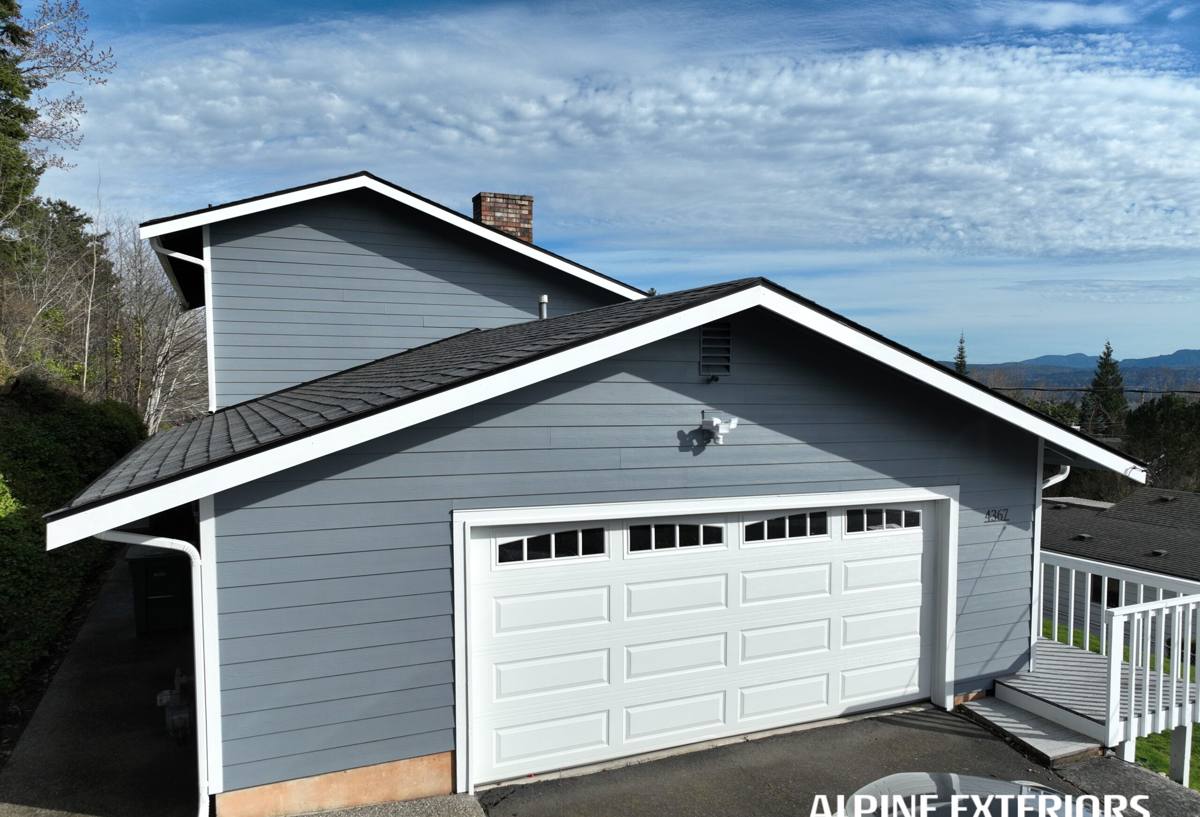
Signs Your Fairhaven Roof Is Telling You It's Time
Roof replacement isn't always the right call — plenty of issues can be repaired. But there are signs that point toward full replacement rather than another patch:
- Granule loss heavy enough that you're finding grit in gutters and downspouts every season
- Shingles that are curling, cupping, or cracking across large sections rather than one isolated spot
- Moss that keeps returning within a year or two of cleaning, especially on north-facing slopes
- Soft spots or sagging in the roof deck when walked, which usually means moisture has reached the sheathing
- Flashing around chimneys, skylights, and roof-wall intersections that's rusted, lifted, or was never properly stepped
- Daylight visible through the attic roof boards, or consistent damp/musty smell in the attic space
- A roof that's simply reached the end of its material lifespan, even if it looks okay from the ground
If you're only seeing one or two of these in a limited area, a repair may still make sense. If several are showing up together, or the roof is old enough that repairs would just be delaying the inevitable, replacement is usually the more honest recommendation.
Choosing a Roofing System for This Climate
There's no single "best" roofing material for every house — it depends on the roof's slope, the home's style, your budget, and how much long-term maintenance you want to take on. Here's how the common options stack up specifically against Fairhaven's salt air, rain, and moss pressures:
| Material | Moss Resistance | Salt Air Durability | Typical Lifespan | Maintenance Level |
|---|---|---|---|---|
| Architectural Asphalt Shingle | Moderate (better with copper/zinc strips) | Good with proper fasteners | 25–30 years | Moderate |
| Standing Seam Metal | High — sheds moss growth well | Very good with coated/stainless fasteners | 40–50+ years | Low |
| Composite/Synthetic Shake | Moderate to high | Good | 30–40 years | Low to moderate |
| Cedar Shake | Lower without diligent upkeep | Fair — needs regular treatment near salt air | 20–30 years with maintenance | High |
Asphalt shingles remain the most common choice because they balance cost, appearance, and performance well, and modern architectural shingles hold up reasonably in this climate when installed correctly. Metal roofing carries a higher upfront cost but sheds moss and handles the wet season with the least ongoing attention, which is why we see growing interest in it for homes near the water. Cedar shake has real character but asks the most of a homeowner in a climate like this — we'll always tell you honestly what upkeep it requires rather than talk you into it.
What We Steer Homeowners Away From — And Why
We don't recommend roofing systems that trap moisture against the deck or rely on fastening patterns that aren't rated for coastal wind and rain exposure. This isn't about any one product being "bad" — it's about matching the material's known moisture behavior and installation sensitivity to what a Bellingham Bay-adjacent roof actually experiences year-round. A product that performs fine in a drier climate can behave very differently here.
What a Correct Roof Replacement Actually Involves
A roof replacement is more than swapping old shingles for new ones. Done right, it's a full system:
Tear-Off and Deck Inspection
We remove the old roofing down to the deck rather than layering over it. This lets us actually see the sheathing — soft, delaminated, or water-stained boards get replaced before anything new goes down. Covering up a compromised deck is one of the most common shortcuts in this trade, and it's the one that causes the biggest problems later.
Underlayment and Ice-and-Water Protection
Given how much driving rain this area sees, underlayment choice matters. We use synthetic underlayment across the field and self-adhering ice-and-water membrane at the vulnerable spots — eaves, valleys, and around any roof penetration — where wind-driven rain is most likely to find a way in.
Flashing
Flashing failures are behind a large share of the roof leaks we get called out for, and they're rarely the shingles' fault. Chimneys, skylights, dormers, and any wall-to-roof transition get new step flashing, counter-flashing, and sealant — not just a bead of caulk over the old metal.
Ventilation
An underventilated attic traps warm, moist air against the underside of the roof deck, which shortens shingle life and can contribute to moss and mildew from the inside out. We check intake and exhaust balance as part of every replacement, not as an upsell.
Fasteners and Metal Components
Salt air corrodes standard fasteners faster than most homeowners expect. We spec corrosion-resistant nails and metal flashing components appropriate for proximity to the bay rather than defaulting to whatever's cheapest.
Our Process, Start to Finish
- On-site assessment — we get on the roof (or use a drone where access is limited) and check the deck, flashing, ventilation, and any problem areas before quoting anything
- Written estimate — a clear scope of work and price, with material options explained in plain terms, not just a single number
- Scheduling around weather — we plan tear-off days with Bellingham's forecast in mind so your roof isn't sitting open longer than necessary
- Tear-off and deck repair — old roofing removed, deck inspected and repaired as needed before anything new is installed
- Installation — underlayment, flashing, ventilation, and roofing material installed to manufacturer specification
- Site cleanup — magnetic sweep for nails, tarp and debris removal, and a final walkthrough with you
Cost Factors for a Fairhaven Roof Replacement
Every roof is different, so we won't quote a number without seeing yours — but these are the factors that most affect price on jobs in this area:
| Factor | Why It Matters |
|---|---|
| Roof size and number of facets | More material and more cuts, valleys, and seams to detail correctly |
| Roof pitch and access | Steeper roofs and lots with limited driveway or crane access take longer and require more safety setup |
| Deck condition | Rot or soft sheathing found at tear-off adds repair cost that can't always be predicted beforehand |
| Material choice | Asphalt, metal, and composite systems carry different material and labor costs |
| Layers being removed | Homes with multiple old layers of roofing cost more to tear off and dispose of |
| Complexity of flashing details | Chimneys, skylights, and multiple roof-wall intersections add labor time |
Why a Fairhaven-Familiar Crew Makes a Difference
Fairhaven's mix of older homes, tree-lined streets, and tighter lot access means a crew that's already worked in the neighborhood tends to plan a job more realistically — where a dumpster or material staging can actually fit, how tree cover affects drying time between rain breaks, and what Bellingham's building department expects for permitting on a replacement. It also means we've already seen how roofs in this specific pocket of Whatcom County wear, which shapes the material and detailing recommendations we give you.
Working near the water also means being deliberate about protecting your property during the job — securing tarps against wind gusts off the bay, keeping landscaping protected during tear-off, and not leaving a roof exposed overnight when rain is likely.
After Your Roof Is Replaced: What Keeps It Performing
A correctly installed roof still benefits from basic upkeep, especially in a climate this wet:
- Clear gutters and downspouts at least twice a year so water isn't backing up under the roof edge
- Have moss growth addressed early — a light treatment is far cheaper than letting it establish and hold moisture against shingles
- Trim back tree limbs that overhang the roof to reduce shade, debris buildup, and physical damage risk
- Schedule a quick visual check after major windstorms, which are common along the Bellingham Bay shoreline
- Keep an eye on attic ventilation — blocked vents undo a lot of the benefit of a properly vented install
If you're weighing repair versus replacement, or just want an honest read on where your roof stands, we're happy to take a look. The estimate is free, there's no pressure attached to it, and you can use the form below to get started.