 Bellingham
 Metal Roofing Built for Sehome's Weather, Not Just Its Skyline
Sehome sits close enough to Bellingham Bay that salt-laden air is a real factor in how a roof ages, and it gets the same wet, gray Whatcom County winters as the rest of Bellingham — long stretches of drizzle, driving rain off the water, and short, low-angle winter sun that lets moss and moisture sit on a roof for months at a time. A roof in this neighborhood isn't dealing with hurricane-force storms or heavy snow loads most winters. It's dealing with something slower and more persistent: constant moisture exposure, salt in the air, and organic growth that never really gets a dry season to shut off.
Metal roofing holds up well against exactly that combination, but only when it's installed correctly for this climate. A metal roof panel is only as good as the underlayment, flashing, and fastening underneath it — and a lot of the problems we get called out to fix started as a shortcut somewhere in that hidden layer, not a defect in the metal itself. This page covers what a correct metal roofing job looks like for a Sehome home, what actually wears a metal roof out here, and how we handle the work from first estimate to final walk-through.
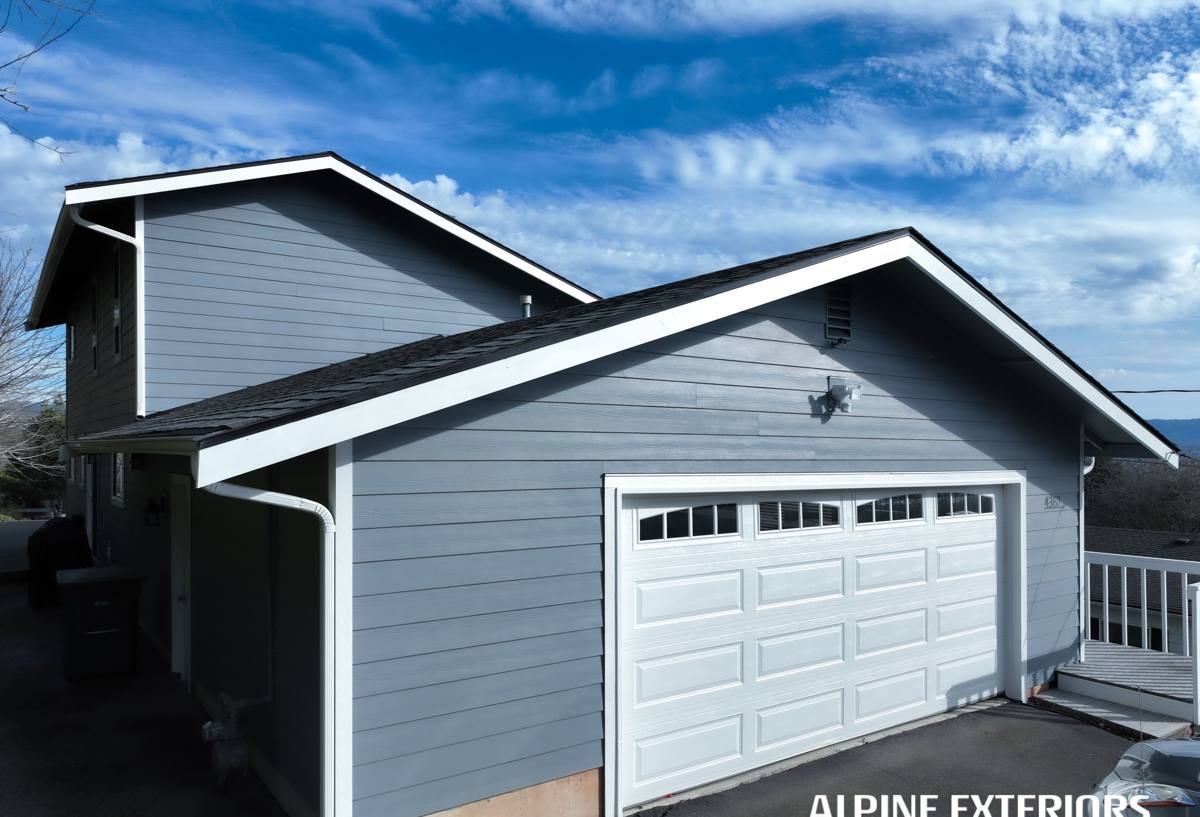
What a Correct Metal Roofing Installation Actually Involves
Metal roofing looks simple from the ground — panels, seams, done. The part that determines whether it lasts twenty years or forty happens underneath, and it's the same regardless of which metal system you choose.
Underlayment and Moisture Barrier
In a climate that stays damp for most of the year, the underlayment matters as much as the metal on top of it. We use synthetic or high-temp ice-and-water-shield-style underlayment at eaves, valleys, and penetrations rather than relying on the panels alone to keep water out. Metal expands and contracts with temperature, and every fastener point and seam is a potential path for wind-driven rain to work its way in if the layer beneath it isn't doing its job.
Flashing Details
Valleys, chimneys, skylights, and wall intersections are where most roof leaks actually start, on metal or any other material. Flashing has to be formed and layered correctly — not just caulked — so water is shed rather than sealed in behind a bead of sealant that will eventually fail. We treat flashing as a metalwork problem, not a caulk-gun problem.
Fastening and Panel Seams
How a panel is fastened affects both leak resistance and how the roof handles thermal movement over time. Exposed-fastener systems rely on gasketed screws that need to be driven straight and to the correct torque — over-driven or under-driven screws are a common source of slow leaks. Standing seam systems use concealed clips instead, which lets the panel expand and contract without stressing the fastener points at all.
Ventilation
A metal roof over a poorly ventilated attic can trap moisture underneath it, which defeats the point of putting a durable, water-shedding surface on top. We check ridge and soffit ventilation as part of the job, not as an afterthought, especially on older Sehome homes where the attic venting may not have been touched since the original roof went on.
Standing Seam vs. Exposed-Fastener: Which Fits Your Home
Both are legitimate metal roofing systems, and both perform well in this climate when installed correctly. The right choice usually comes down to budget, roof style, and how long you want to go before any maintenance is needed.
| Factor | Standing Seam | Exposed Fastener |
|---|---|---|
| Fasteners | Concealed clips, no exposed screws | Visible gasketed screws through the panel face |
| Maintenance | Minimal — no fastener seals to monitor | Gaskets should be checked periodically as they age |
| Upfront cost | Higher | Lower |
| Typical lifespan | 40-70 years | 25-40 years, fastener-dependent |
| Best fit | Homes where long-term, low-maintenance performance is the priority | Budget-conscious projects, secondary structures, simpler rooflines |
For a primary residence in a wet, salt-exposed neighborhood like Sehome, we usually steer homeowners toward standing seam when the budget allows, simply because it removes the one component — exposed fasteners — that needs the most attention over time. Exposed-fastener panel is still a solid, honest option for garages, additions, or homeowners working within a tighter budget; it just asks a little more of you down the road.
What Actually Wears Out a Metal Roof in This Area
Metal roofing doesn't fail the way asphalt shingles do. It doesn't lose granules or curl at the edges. What it deals with instead is a smaller list of climate-specific stresses, and knowing them is most of what "installing for the local climate" means in practice.
- Salt air exposure — proximity to Bellingham Bay puts salt-bearing moisture in the air, which can accelerate corrosion on lower-quality coatings or exposed cut edges over time.
- Driving rain — wind-driven rain off the water pushes water sideways under panel edges and around penetrations, which is why flashing and underlayment quality matter more here than in a drier inland climate.
- Extended moss and algae season — shaded, north-facing, or tree-covered sections of roof stay damp for months, which is where organic growth gets a foothold if debris isn't cleared.
- Thermal cycling — even mild day-to-night temperature swings cause metal to expand and contract, which is why fastener choice and panel clip design matter for long-term seam integrity.
- Debris buildup — needles and leaf litter from mature trees common around Bellingham can collect in valleys and behind chimneys, holding moisture against the roof surface.
Our Process, Start to Finish
We run the same process on every metal roofing job in Sehome, whether it's a full tear-off and replacement or a re-roof over an existing structure that qualifies for it.
- On-site assessment — we inspect the existing roof, decking condition, flashing points, and attic ventilation before quoting anything.
- System and color selection — we walk through standing seam vs. exposed-fastener options, panel profiles, and finish colors based on your home and budget.
- Written estimate — a clear scope of work and price, with no vague allowances hiding in the fine print.
- Tear-off or deck prep — old roofing removed and decking repaired or replaced wherever it's soft, rotted, or otherwise compromised.
- Underlayment and flashing installation — the moisture barrier and flashing details go in before a single panel is set.
- Panel installation — panels run, seamed or fastened, and trimmed to the roof's actual geometry rather than forced to fit.
- Final inspection and cleanup — we walk the roof, check every penetration and edge, and clear the site of debris and fasteners.
Living With a Metal Roof in a Wet, Mossy Climate
One of the real advantages of metal roofing here is how little ongoing maintenance it needs compared to asphalt shingles — but "little" isn't "none." A short annual check keeps small issues from becoming roof-replacement issues.
- Clear needles, leaves, and debris from valleys and behind chimneys or vents, especially after fall storms.
- Check that gutters and downspouts are flowing freely so water isn't backing up under the eave edge.
- Look for any moss or algae starting on shaded sections and address it before it spreads.
- Inspect exposed fasteners (if you have an exposed-fastener system) every couple of years for gasket wear.
- After any major windstorm, do a visual check for lifted flashing or displaced panels.
What Metal Roofing Costs to Install in Sehome
Every roof is different, but the main variables that move the price on a metal roofing project are consistent from job to job. We give firm written numbers after an on-site look — the table below is meant to show what actually drives cost, not to substitute for a real quote.
| Cost Factor | Why It Matters |
|---|---|
| Panel system | Standing seam runs higher than exposed-fastener panel due to materials and labor |
| Roof complexity | Valleys, dormers, and multiple roof planes add flashing and labor time |
| Tear-off vs. overlay | Full tear-off adds cost but is often the right call on an aging roof deck |
| Deck repair | Rot or soft decking found during tear-off adds material and labor |
| Roof pitch and access | Steep or hard-to-access roofs take longer and require more safety setup |
| Coating and finish | Higher-grade coatings cost more upfront but hold up longer against salt air |
Why Hiring a Crew That Already Works in Sehome Matters
Metal roofing is unforgiving of shortcuts in a way asphalt shingles aren't — a poorly flashed valley or an over-driven screw on an exposed-fastener panel doesn't show up as a problem right away, it shows up as a leak two or three winters later. A crew that already works throughout Bellingham and Whatcom County has seen how local weather actually treats a roof over time, not just how it's supposed to perform on paper. That means knowing which details need extra attention near the water, how much slope and ventilation to plan for on a shaded, moss-prone section, and how to sequence a tear-off around a wet forecast instead of hoping the rain holds off.
It also means being reachable after the job is done. A roof installed by a crew that isn't local is a roof you have to chase down for warranty work or a follow-up question. We're working in this same area on an ongoing basis, which is a practical reason to choose local experience over the lowest bid from out of town.
Get a Free, No-Pressure Estimate
If you're weighing metal roofing for a home in Sehome, we're happy to take a look, walk you through standing seam vs. exposed-fastener options for your specific roof, and give you a clear written estimate — no pressure, no obligation. Use the form below to get started.