 Bellingham
 Board & Batten in a Neighborhood Built on Moisture
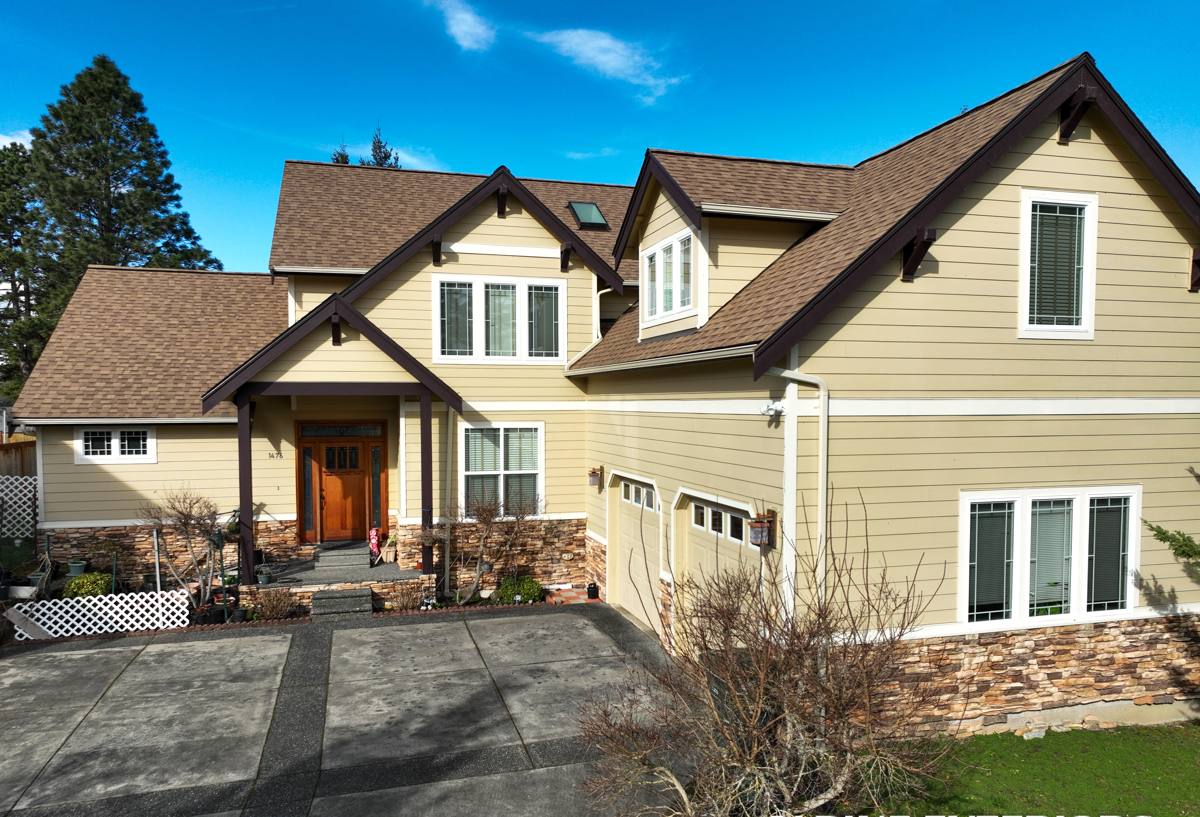
Silver Beach homes sit in one of the more character-rich pockets of Bellingham, and board and batten siding shows up here more than almost anywhere else in Whatcom County. The vertical lines, the shadow play from the battens, the way it reads as both craftsman and modern farmhouse depending on the trim details — it's a style that fits the housing stock in this part of town. But board and batten is also one of the least forgiving siding profiles to get wrong, especially in a climate that stays damp for most of the year. Get the layout, spacing, and water management right and it can outlast almost anything else on the market. Get it wrong and you're looking at trapped moisture, rot at the battens, and a repaint or reside cycle that comes around far sooner than it should.
This page is about that one job, done right, in this one neighborhood: what Silver Beach homes specifically need from their board and batten siding, what correct installation actually involves, and why the material choice matters as much as the workmanship.
What Bellingham's Climate Does to Vertical Siding
Whatcom County's marine climate is the reason board and batten siding either performs beautifully here or fails early. Salt-tinged air moving in off the greater Puget Sound region, long stretches of driving rain, and a moss season that can run nearly ten months out of the year all put steady pressure on any exterior wall assembly. Vertical siding profiles like board and batten have more horizontal joints and more places for water to catch than a standard lap pattern, which means the details at every seam matter more here than they would in a drier climate.
Why Moss Is a Bigger Deal on Board and Batten
Moss doesn't just sit on top of siding — it holds moisture against the surface and works its way into any gap, seam, or fastener hole that isn't properly sealed or gapped for drainage. On lap siding, gravity does a lot of the work moving water down and off the wall. On vertical board and batten, water can sit longer along the batten edges and at horizontal trim, which is exactly where moss loves to establish itself. Homes on shaded, tree-lined lots — common in Silver Beach — see this more than homes with full sun exposure, simply because the siding never fully dries out between rain events.
Driving Rain and Wall Assembly
Wind-driven rain off the water doesn't fall straight down — it gets pushed sideways into walls, and it finds every under-flashed seam or gap-free installation. A board and batten system needs a wall assembly that assumes some water will get behind the surface material and gives it a way out, rather than one that assumes the surface layer alone will keep everything dry. That distinction is the difference between siding that lasts decades and siding that starts showing problems in five to seven years.
Why We Only Install James Hardie Fiber Cement
We don't install LP SmartSide, vinyl board and batten panels, Cemplank, Allura, primed spruce, or raw cedar board and batten. That's a deliberate standard, not a sales pitch, and it's worth explaining honestly rather than just asserting it.
Cedar and Primed Wood
Real cedar board and batten looks great and plenty of Silver Beach homes still have it. But wood battens and boards are organic material in a climate that barely lets anything dry out. Even well-maintained cedar needs regular refinishing, and the battens — being narrow, exposed on both edges, and often end-grain at the bottom — are usually the first place rot shows up. Primed spruce carries the same moisture vulnerability with less natural rot resistance than cedar to begin with.
Vinyl Board and Batten
Vinyl board and batten has come a long way in appearance, and it's inexpensive. The trade-off is that vinyl expands and contracts significantly with temperature swings, which is manageable on lap siding but shows up as visible waviness on tall, narrow vertical panels. It also doesn't hold paint, can't be repaired invisibly when damaged, and tends to look noticeably synthetic up close — a real consideration on a style that's chosen specifically for its crisp, dimensional look.
LP SmartSide, Cemplank, and Allura
These are legitimate engineered products with real manufacturers standing behind them. Our decision to standardize on James Hardie isn't a claim that they don't work — it's that after years of installing and servicing siding in this climate, we settled on one product system we trust completely, can warranty consistently, and can install to the same exacting spec on every job. Fiber cement done right needs correct fastening, correct clearances, and correct joint treatment regardless of brand — we chose to become genuine experts in one system rather than adequate at several.
What James Hardie Gets Right for This Application
Hardie's fiber cement is non-combustible, dimensionally stable across our temperature swings, and holds its factory ColorPlus finish far longer than field-applied paint on wood. For board and batten specifically, Hardie's plank and panel options are engineered to handle the narrow-board geometry without the swelling, cupping, or edge rot that plague wood alternatives, and the HZ5 product line is built for exactly the wet, moderate-freeze conditions the Pacific Northwest delivers.
What a Correct Board & Batten Installation Involves
The finished look of board and batten hides most of what actually determines whether it lasts. The visible boards and battens are the last layer of a system that has to work as a whole.
The Water Management Layer
Underneath the siding, a correctly lapped weather-resistive barrier and properly integrated flashing at every window, door, and horizontal transition does the real work of keeping bulk water out of the wall. On a home exposed to driving rain, shortcuts here don't show up as a failure on day one — they show up as staining, soft sheathing, or interior moisture two or three years later.
Rainscreen Gap
Because board and batten holds moisture against the wall longer than lap siding, a drainage gap — a rainscreen — between the weather barrier and the siding gives any water that does get behind the boards a path to drain and dry rather than sit. This is one of the most important details on vertical siding in a climate like ours and one of the easiest for a less experienced crew to skip.
Batten Spacing and Fastening
Battens need consistent spacing for the look to read correctly, but more importantly they need fasteners placed and driven to manufacturer spec — over-driven or under-driven nails are a leading cause of early siding failure, board and batten included. Boards also need room to expand and contract without buckling, which means joints and clearances at trim, corners, and the foundation line all have to be planned before the first board goes up.
Bottom Clearance
The bottom of board and batten siding sits closer to grade, decks, and roof lines more often than lap siding does, simply because of how the style is typically used architecturally. Maintaining proper clearance from soil, hardscape, and roofing keeps splashback and standing moisture away from the siding's most vulnerable edge.
Our Process for Silver Beach Homes
- Site and wall assessment — checking existing sheathing condition, moisture readings where accessible, and how sun, shade, and tree cover affect drying time on your specific lot.
- Water management plan — mapping flashing details at every window, door, and roof transition before ordering material.
- Rainscreen and weather barrier install — the layer that determines long-term performance more than the visible siding does.
- Board and batten installation to spec — correct fastener placement, spacing, and expansion clearances using James Hardie's engineering guidelines.
- Final inspection and walkthrough — reviewing the finished work and clearance details with you before we consider the job done.
Comparing Board & Batten Material Options
| Material | Moisture Behavior in This Climate | Moss/Algae Resistance | Ongoing Maintenance |
|---|---|---|---|
| James Hardie Fiber Cement | Dimensionally stable, engineered HZ5 line for wet climates | Factory ColorPlus finish resists staining well | Periodic washing; no refinishing under normal conditions |
| Cedar / Primed Wood | Absorbs moisture; battens prone to rot at edges and base | Susceptible without diligent upkeep | Regular refinishing and inspection required |
| Vinyl Board & Batten | Doesn't rot but can warp/wave with temperature swings | Moderate; grime and mildew show clearly | Low, but damage or fading can't be spot-repaired invisibly |
| LP SmartSide / Other Engineered Wood | Performs well when detailed correctly; edge sealing critical | Reasonable with proper finish maintained | Periodic inspection of cut edges and joints |
Keeping Board & Batten Siding Healthy Long-Term
Even a correctly installed system benefits from a homeowner who knows what to watch for. In a neighborhood with this much rain and moss pressure, small issues are much cheaper to address early than after they've spread.
- Green or dark streaking along battens or at the base of boards, especially on shaded sides of the house
- Caulking that's cracked, shrunk, or pulled away at trim and joints
- Soft spots or visible swelling at board bottoms near grade, decks, or walkways
- Gutters or downspouts discharging water directly onto or near the siding
- Vegetation or mulch beds pushed up against the bottom clearance line
- Fading or chalking that's uneven across the wall, which can indicate a finish or coating issue
Why Local Experience in Silver Beach Matters
A siding crew that only occasionally works in Bellingham has to relearn this climate on your house. A crew that works Whatcom County regularly already knows how much drying time to expect between rain windows, how tree cover on shaded lots changes a wall's moisture cycle, and where moss tends to establish first on vertical siding in this part of town. That familiarity shows up in scheduling decisions, in how joints and flashing are detailed, and in catching problems with existing sheathing before they're covered up. It's the difference between siding installed correctly on paper and siding installed correctly for this specific neighborhood's conditions.
Get a Straight Answer About Your Home
If you're weighing board and batten siding for a Silver Beach home, we're happy to walk the exterior with you, look at your current wall condition, and give you an honest read on what the job actually involves — no pressure, no inflated quote to negotiate down from. Use the form below to request a free estimate.