 Bellingham
 Windows Built for Silver Beach's Waterfront Climate
Silver Beach sits close enough to Bellingham Bay that its homes take a different kind of weather beating than houses further inland in Whatcom County. Salt-laden air off the water works into aluminum frames and hardware over time. Driving rain off the bay finds its way into any gap around an old window's flashing. And the long, gray moss season that settles over the whole region keeps north- and shade-facing walls damp for months at a stretch, which means the wood trim and sills around aging windows are often softer than they look from the street. If you're weighing new windows for a Silver Beach home, the climate here should shape almost every decision you make — the frame material, the glass package, and how the installer flashes and seals the opening.
This page walks through what actually matters for energy-efficient window replacement in this specific neighborhood: what the salt air and rain do to different materials, what a correct installation looks like, and how our process is built around the realities of working this close to the water.
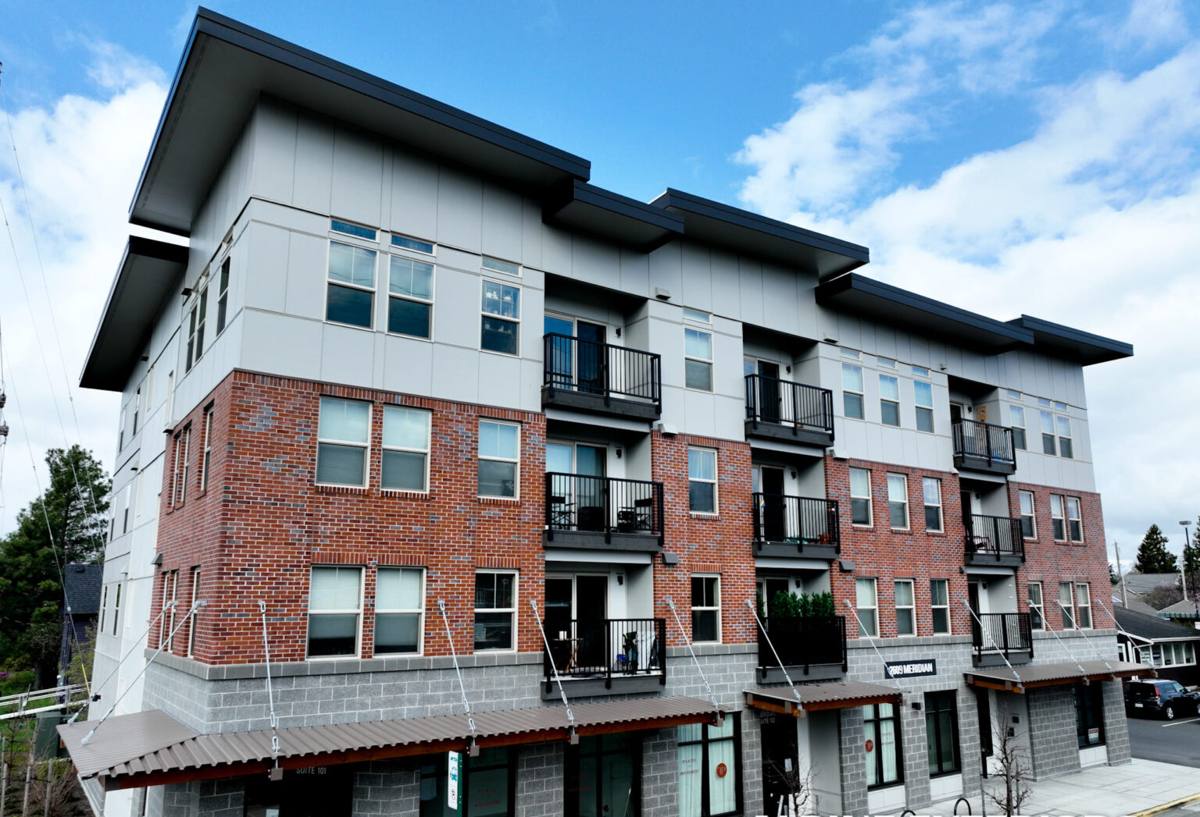
What Salt Air and Driving Rain Actually Do to Windows
Salt Air and Metal Components
Salt air is corrosive to unprotected metal — that includes cheap aluminum frames, exposed fasteners, and the balance hardware inside older wood or vinyl windows. Over years, corrosion on hinges, locks, and balance springs shows up as windows that stick, won't latch tight, or feel gritty when you operate them. A window that doesn't latch fully compresses its weatherstripping unevenly, which quietly undoes whatever energy performance the glass itself is rated for.
Driving Rain and Wind-Driven Water
Bellingham Bay generates weather that pushes rain sideways into west- and southwest-facing walls, which is common on Silver Beach's waterfront-oriented lots. Wind-driven rain doesn't just test the glass and frame — it tests the flashing and sealant detail around the rough opening. Most window failures we see in this kind of exposure aren't glass failures at all; they're water finding a path behind the trim through a gap that was never properly flashed, then rotting the framing from the inside where nobody sees it until the sill is soft.
Moss Season and Sustained Moisture
The long wet season in this part of Washington keeps shaded exterior surfaces damp far longer than a drier climate would. Wood window trim and sills that stay wet for weeks at a time are exactly the conditions that grow rot and moss. Even where the window unit itself is sound, moss and organic buildup around the exterior casing traps moisture against the wood and accelerates decay — so ongoing care around the window, not just the window itself, matters here.
Choosing the Right Frame Material for This Location
Frame material is the first real decision, and it's more consequential on a waterfront-adjacent lot than it would be a few miles inland.
| Frame Material | How It Handles Salt Air & Rain | Maintenance | Typical Fit for Silver Beach |
|---|---|---|---|
| Vinyl | Won't corrode; handles moisture well when properly sealed | Low — occasional cleaning | Strong all-around choice for most homes |
| Fiberglass | Very stable in temperature swings and moisture; resists corrosion | Low | Good for larger openings or higher-exposure walls |
| Wood (clad exterior) | Interior wood warmth with a protected exterior shell; exposed wood trim still needs upkeep | Moderate — exterior cladding low, any exposed wood higher | Works well when detailing and upkeep are kept current |
| Bare aluminum | Prone to corrosion and thermal transfer in this exposure | Higher | Not something we recommend for this location |
We steer most Silver Beach homeowners toward vinyl or fiberglass for the simple reason that neither one corrodes and both perform consistently through a wet, salt-tinged winter without added upkeep. Clad-wood windows can be a good fit too, particularly on older homes where the interior look matters — the trade-off is that any exposed wood trim needs to stay painted and sealed, since that's the piece exposed to the same moss-season dampness that affects the rest of the exterior. We generally don't recommend bare aluminum frames for homes this close to the bay; the corrosion risk and the added conductivity just aren't worth it when better options cost about the same over the life of the window.
Glass Packages: What "Energy-Efficient" Actually Means
"Energy-efficient" isn't a single feature — it's a combination of choices in the glass package, and getting it right matters more in a marine climate with a lot of gray, low-angle daylight than it would somewhere sunnier and drier.
- Double-pane, argon-filled: the baseline for real efficiency gains over older single-pane or early double-pane units; argon between the panes slows heat transfer.
- Low-E coatings: a microscopically thin coating that reflects heat while still letting daylight through — helps keep interior heat in during our cold, damp winters and reduces heat gain on the rare hot summer days.
- Warm-edge spacers: the material separating the panes at the edge of the glass; warm-edge (non-metal) spacers reduce condensation risk at the glass edge, which matters in a consistently humid climate.
- U-factor and Solar Heat Gain Coefficient (SHGC): the two numbers worth asking about directly — lower U-factor means less heat escapes through the glass; SHGC should be matched to which direction the window faces and how much sun that wall actually gets.
For a bay-facing home, we typically talk through orientation wall by wall — a window catching direct west sun off the water performs differently than one on a shaded north wall, and the right glass package isn't identical on every elevation of the same house.
What a Correct Installation Involves
The window unit itself is maybe half the job. The other half — and the part that determines whether it actually keeps water and air out for the next twenty-plus years — is the installation detail.
Removal and Opening Inspection
When we pull an old window, we check the rough opening framing and sill for rot or moisture damage before anything new goes in. In a Silver Beach home, especially on a wall that's taken years of wind-driven rain, this is where we sometimes find soft framing that needs to be addressed before a new window can be properly secured and sealed — better to catch it now than seal a new window over a compromised opening.
Flashing and Water Management
Proper flashing directs any water that gets past the exterior trim back out, rather than letting it sit against the framing. This is the single most important step for a home in this kind of exposure, and it's also the step that's invisible once the trim goes back on — which is exactly why it's worth asking your contractor to walk you through their flashing detail before work starts.
Air Sealing and Insulation
The gap between the window frame and the rough opening gets sealed and insulated correctly — not just caulked on the surface, but sealed in a way that stops both air movement and moisture intrusion. A window with excellent glass can still underperform if this gap is sealed poorly.
Exterior Trim and Finish
Exterior trim gets set up to shed water away from the window rather than channel it toward the frame, and any painted or clad surfaces are finished to hold up through the wet season ahead.
Signs Your Silver Beach Home's Windows Need Attention
- Windows that are difficult to open, close, or latch fully — a sign of hardware corrosion or a frame that's shifted
- Visible condensation between the panes, which means the seal has failed and the insulating gas is gone
- Soft, discolored, or moss-covered trim and sills around the window
- Noticeable drafts or cold spots near the window even when it's fully closed
- Paint that's peeling or bubbling on wood trim near the frame — often an early sign of trapped moisture
- A visible gap or daylight around the frame where it meets the siding
Any one of these on its own might not mean a full replacement is needed, but a home showing several of these signs at once — particularly on a west- or southwest-facing wall — is worth a closer look before another wet season adds to the damage.
Why Local Installation Experience Matters Here
A crew that's worked windows across Bellingham and the rest of Whatcom County knows which walls in a neighborhood like Silver Beach take the worst of the weather and adjusts the installation accordingly — heavier attention to flashing on bay-facing elevations, frame material recommendations that account for salt exposure, and realistic expectations about how quickly moss and moisture reclaim an unmaintained trim board in this climate. That's the kind of judgment that comes from doing this work in this specific weather, year after year, not from a general installation checklist written for a drier part of the country.
Maintaining New Windows Through Moss Season
New windows reduce maintenance considerably, but they're not maintenance-free in this climate. A short seasonal routine keeps them performing as designed:
- Rinse salt residue off frames and glass periodically, especially after windy weather off the bay
- Clear moss and organic debris away from trim and sills before it holds moisture against the surface
- Check that weep holes (the small drainage openings at the base of the frame) stay clear so water can drain out
- Inspect exterior caulking annually and touch up anywhere it's cracked or pulled away
- Operate locks and hardware a few times through the winter to keep moving parts from seizing
Getting Started
Every home on Silver Beach faces the weather a little differently depending on how it sits relative to the water and which walls take the worst of the wind and rain. We're glad to take a look at your windows, talk through what we're seeing, and put together a straightforward, no-pressure estimate — no obligation, just an honest read on what your home actually needs. Reach out using the form below to get started.