 Bellingham
 Why South Hill Homes Need Siding Built for This Exact Climate
South Hill sits above downtown Bellingham, close enough to Bellingham Bay that salt-laden air is a constant factor in how exterior materials age. Add Whatcom County's long wet season, driving rain that comes in sideways off the water, and the shaded, moisture-holding conditions that produce moss on roofs, fences, and siding for much of the year, and you have a climate that is genuinely harder on a home's exterior than most homeowners realize until they see the damage up close. Siding on South Hill's hillside lots also deals with more wind-driven rain exposure than sheltered valley properties, simply because of elevation and openness to weather moving in off the Sound.
None of this means siding installation here has to be complicated. It means it has to be done correctly, with materials and details chosen for this environment rather than a generic install that would hold up fine somewhere drier. That distinction is the whole point of this page.
What "Correct" Siding Installation Actually Involves
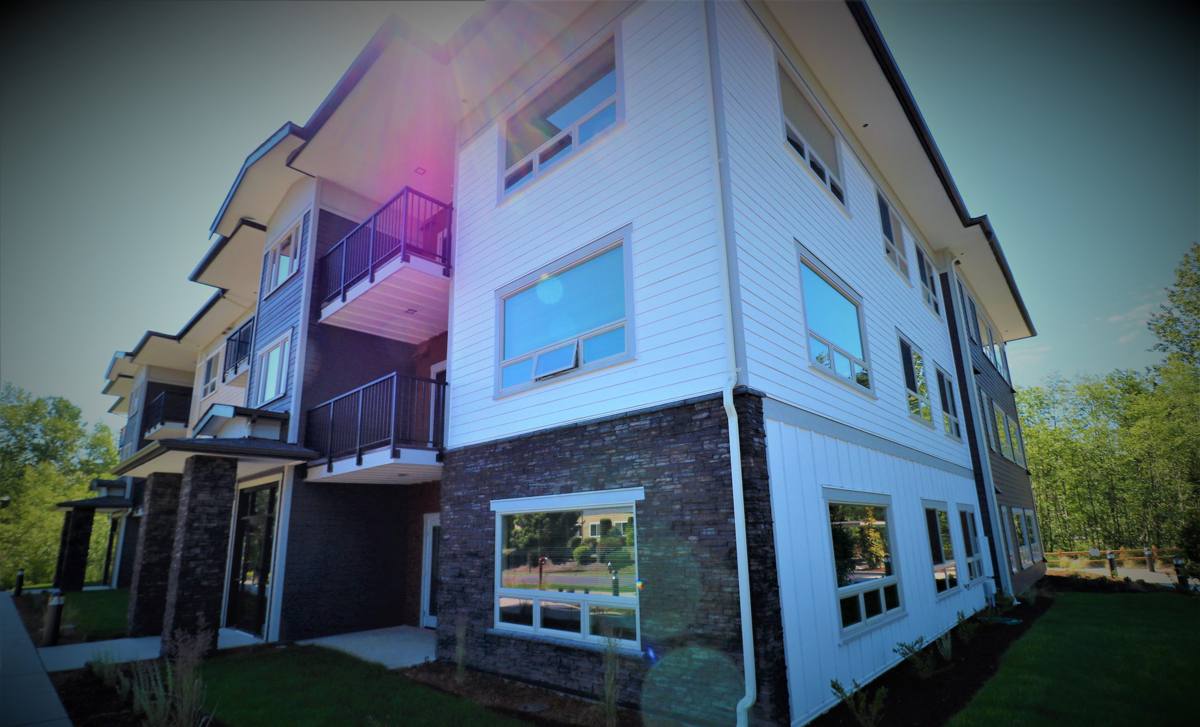
Siding is a system, not just a decorative skin. A house on South Hill that leaks, cups, delaminates, or grows moss prematurely almost always failed because of what's underneath the siding or how it was fastened — not because the siding itself was a bad product.
The Weather-Resistive Barrier and Flashing
Every wall needs a continuous weather-resistive barrier (house wrap or equivalent) installed shingle-style so water is always directed outward and down, never trapped behind the siding. Window and door flashing has to integrate with that barrier correctly — this is the single most common failure point we find when we're called out to look at water damage on older Bellingham homes. Flashing done wrong doesn't fail immediately; it fails two, five, or ten years later, quietly, inside the wall.
Clearances and Ventilation
Siding needs proper clearance from grade, roofing, decks, and hardscaping so water can't wick up into the board or sit against the bottom edge. In a climate with South Hill's rainfall and moss pressure, skipping these clearances is how you get soft, discolored siding at the bottom courses within a few wet seasons.
Fastening to Manufacturer Specification
Fiber cement siding has specific nailing patterns, fastener types, and blind- versus face-nailing rules depending on the product line and exposure. Installing it like standard lap siding — wrong fastener spacing, wrong nail type, missing the stud — voids warranty coverage and creates the exact gaps and movement that let moisture in over time.
Why We Install Only James Hardie Fiber Cement
We made a decision as a company to install one siding system: James Hardie fiber cement. We don't install vinyl, LP SmartSide-type engineered wood, primed spruce, cedar, or other fiber cement brands like Cemplank or Allura. That's not a marketing position — it's a standard we hold because of what we've seen hold up on Pacific Northwest homes and what hasn't.
Non-Combustible and Dimensionally Stable
Fiber cement is non-combustible, which matters for insurance and peace of mind regardless of where you live, and it doesn't expand and contract with moisture the way wood-based products do. In a climate where the siding is wet more months than it's dry, dimensional stability is what keeps joints tight and paint lines crisp instead of cupping and telegraphing through the finish.
HZ5 Engineering for This Region
James Hardie engineers its HZ product lines by climate zone, and the HZ5 formulation used in the Pacific Northwest is built specifically for higher-moisture, cooler climates — it's a different engineered mix than what ships to the Southwest or Southeast. That's a meaningful detail: the siding on a South Hill home isn't a one-size-fits-all product, it's matched to the moisture exposure this region actually sees.
ColorPlus Factory Finish
Rather than relying on field-applied paint, Hardie's ColorPlus finish is baked on at the factory with a stronger bond and a longer warranty against fading and peeling than most site-applied paint jobs achieve. In a salt-air, high-moisture environment, a factory finish holds its color and its seal far more consistently than paint applied on-site in variable weather.
A Warranty That Transfers
James Hardie backs its siding with a substantial product warranty that transfers to a new owner if the home is sold — a real factor for South Hill's mix of long-time owners and a steady resale market near downtown and the university.
Comparing Siding Materials for a South Hill Home
| Material | Moisture Behavior in This Climate | Maintenance Burden | Typical Longevity Here |
|---|---|---|---|
| James Hardie fiber cement | Dimensionally stable, engineered HZ5 formulation for wet climates, does not rot | Low — occasional wash, factory finish resists fading | Decades, with strong transferable warranty |
| Vinyl siding | Doesn't rot, but can warp/crack in temperature swings and doesn't stop moisture intrusion behind it | Low, but color fades and can't be repainted easily | Moderate; brittle over time |
| Engineered wood (LP-type) | Wood-based core is vulnerable to moisture wicking at edges and cuts if not perfectly sealed | Higher — edge sealing and inspection matter | Depends heavily on installation quality |
| Cedar / primed spruce | Natural wood movement, absorbs moisture, prone to moss and mildew in shaded, damp exposures | High — regular refinishing and moss treatment | Shorter without ongoing upkeep |
This table isn't about declaring other products worthless — vinyl and engineered wood both have legitimate uses and reasonable trade-offs elsewhere. It's about why, for the specific combination of salt air, sustained rain, and moss pressure that South Hill homes face, we standardized on the one material that handles all three without asking the homeowner to manage a maintenance schedule to keep it performing.
Our Installation Process
- On-site assessment. We look at your existing siding, wall assembly, trim, flashing condition, and any problem areas — moss buildup, staining, soft spots — before quoting anything.
- Tear-off and substrate check. Old siding comes off and we inspect the sheathing underneath for rot or damage before anything new goes on. Covering up a hidden problem is how small issues become expensive ones.
- Weather barrier and flashing installation. House wrap, window/door flashing, and drainage details are installed first and inspected before siding goes up.
- James Hardie installation to spec. Correct fastener type and spacing, proper clearances at grade and roof lines, and manufacturer-specified joint treatment.
- Trim, caulking, and final detailing. The details at corners, penetrations, and transitions are where long-term performance is decided.
- Walkthrough. We go over the finished work with you before we consider the job done.
Why Local Experience on South Hill Matters
A crew that regularly works South Hill's hillside lots understands things a generalist crew has to learn on your project: how wind-driven rain behaves on elevated, more exposed sites, where moss tends to establish first on a north-facing wall in a shaded lot, and how Whatcom County's permitting and inspection process actually works. That familiarity shows up in fewer surprises during the job and a better result once it's done, because the crew isn't guessing at conditions specific to this side of Bellingham.
Living With Fiber Cement Siding in a Moss-Prone Climate
Correctly installed James Hardie siding is genuinely low-maintenance compared to wood or engineered wood alternatives, but "low-maintenance" isn't "no-maintenance" anywhere near Bellingham Bay. A basic seasonal routine keeps it performing the way it should for the long haul.
- Rinse siding annually (a garden hose and soft brush is usually enough) to clear salt residue and organic buildup before moss gets a foothold
- Keep gutters clear so overflow doesn't run down the siding face and create the damp conditions moss needs
- Trim back vegetation and tree cover that keeps a wall shaded and damp longer than the rest of the house
- Check caulking at trim and penetrations every year or two and have gaps resealed before water gets behind the siding
- Address any soft spots, staining, or bubbling paint promptly rather than waiting — early fixes are simple, deferred ones aren't
What This Costs and What Affects It
Every South Hill home is different — square footage, number of stories, trim complexity, and how much of the existing wall assembly needs repair before new siding goes on all factor into price. Homes with hidden moisture damage from a prior siding system typically cost more simply because that damage has to be corrected first, not because the new siding is more expensive. We give straight, itemized quotes so you know exactly what you're paying for and why, rather than a single lump number that hides the details.
If your South Hill home is due for new siding, or you want a second opinion on whether your current siding is holding up the way it should in this climate, we're happy to take a look. Reach out below for a free, no-pressure estimate — there's a form on this page to get started.