 Bellingham
 Metal Roofing for Sudden Valley Homes
Sudden Valley sits in the hills above Lake Whatcom, a few miles outside Bellingham, and the terrain there asks more of a roof than a typical in-town lot. Mature fir and cedar canopy shades large sections of most roofs for much of the day, driveways and access roads wind and climb, and the lake itself keeps the air damp longer into the year than it stays in open, sun-exposed parts of Whatcom County. If you own a home in Sudden Valley, you already know your roof works harder than your neighbor's roof three miles into town. Metal roofing is one of the few systems that holds up well under those specific conditions, but only when it's installed correctly for the site it's going on.
This page covers what Sudden Valley homes specifically need from a metal roof, what a correct installation actually involves, and how our process works from the first estimate to final cleanup.
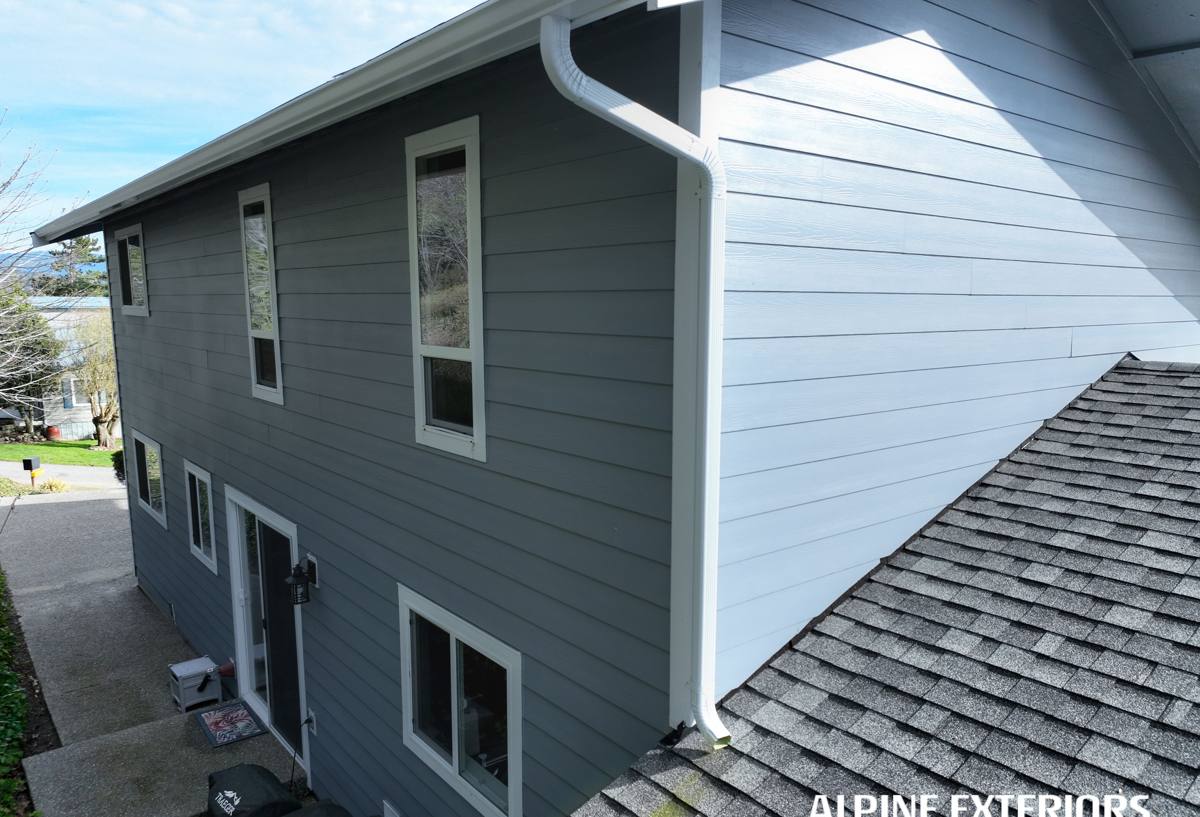
Why Sudden Valley's Setting Is Hard on a Roof
Shade and moss
Heavy tree cover keeps roof surfaces damp well after a storm has passed. Moss and algae need moisture and shade to establish, and Sudden Valley roofs get both in abundance. On composition shingle roofs, that moss works its way under the shingle tabs over years and lifts them, which is how a lot of shingle roofs in shaded lots start leaking well before their rated life is up. Metal doesn't give moss the same foothold, but the roof still has to be detailed correctly around valleys and flashings, or trapped debris and needles will hold moisture against the panels anyway.
Driving rain and wind-driven moisture
Whatcom County storms often come in sideways off the water, and Sudden Valley's elevation and tree lines can funnel wind in ways that push rain up under roof edges and around penetrations rather than straight down. A roof detailed for calm, vertical rainfall will eventually leak in these conditions. A roof detailed for wind-driven rain — proper underlayment laps, correctly flashed penetrations, sealed ridge and eave details — won't.
Regional salt air
Bellingham and the surrounding Whatcom County coastline carry a mild but real salt-air component that accelerates corrosion on unprotected metal fasteners, flashing, and trim over time. Sudden Valley is set back from the water compared to waterfront neighborhoods, but the broader regional exposure still matters when you're choosing fastener coatings and panel finishes meant to last decades, not years.
Why Metal Roofing Makes Sense Here
Metal isn't the right roofing material for every home or every budget, and we'll tell you that honestly in an estimate. But for a shaded, damp, wind-exposed property like a typical Sudden Valley lot, it has real advantages over composition shingle:
- Smooth panel surfaces give moss and algae far less to grip than the textured surface of shingles
- Steep-slope metal sheds needles, cones, and debris better than shingle roofs, reducing the organic buildup that holds moisture against the roof deck
- A correctly installed metal roof typically outlasts two or more shingle roof cycles, which matters on a property where roof access is harder and re-roofing is more disruptive
- Metal handles wind-driven rain well when panels, seams, and flashing are detailed properly for the exposure
The trade-off is upfront cost and installation sensitivity — metal roofing rewards a crew that has done it correctly many times and punishes one that hasn't. A poorly installed metal roof can trap moisture, oil-can visibly, or fail at the fastener and flashing points faster than a well-installed shingle roof would.
What a Correct Metal Roof Installation Involves
Deck and underlayment
Before any metal goes down, the roof deck needs to be sound, and on an older Sudden Valley home that's shaded and damp much of the year, we check for soft spots or moisture damage from whatever roofing was there before. A high-temperature synthetic or self-adhering underlayment goes down next — this is the actual waterproofing layer underneath the metal, and it's the layer that keeps a home dry if wind ever drives water past the panel seams.
Panel layout and fastening
Panels have to be laid out so seams run with the water flow and laps are consistent, not adjusted on the fly to save material. Fasteners matter as much as the panels themselves: the wrong fastener type or spacing is one of the most common causes of early metal roof failure, and it's not something you can see from the ground once the job is done.
Flashing and penetrations
Valleys, chimneys, skylights, and vent penetrations are where the large majority of roof leaks start, on metal or shingle. Correct flashing detail here — not caulk covering a gap — is what actually keeps water out over the long run.
Ventilation
A well-ventilated attic keeps condensation from forming on the underside of the metal panels, which matters more in a shaded, cool, moisture-heavy setting like Sudden Valley than it does in a dry, sun-exposed location.
Panel and Fastening System Comparison
There isn't one "right" metal roofing system for every home — the right choice depends on your roofline, budget, and how visible the roof is from the street or the lake. Here's an honest comparison of the two main systems we install:
| Factor | Exposed-Fastener (Screw-Down) Panels | Standing Seam |
|---|---|---|
| Upfront cost | Lower | Higher |
| Fasteners | Visible screws through the panel face, gasketed | Concealed clips, no exposed penetrations in the field |
| Long-term maintenance | Gaskets and screws should be checked periodically over the roof's life | Fewer maintenance points; no exposed gaskets to age |
| Best fit | Budget-conscious projects, outbuildings, shops | Primary residences, especially where long-term, low-maintenance performance matters |
| Appearance | Visible fastener lines | Clean, uninterrupted panel look |
Both systems can perform well in Sudden Valley's climate when installed correctly. We'll walk you through which one fits your roof, your budget, and how long you want to go before thinking about the roof again.
Our Process
- On-site evaluation. We look at your existing roof, deck condition, tree exposure, and how water and wind actually move across your specific property — not a generic checklist.
- Straightforward estimate. You get a clear written scope and price range before any work starts, including which panel and fastening system we recommend and why.
- Tear-off and deck check. We remove the old roofing and inspect the deck underneath, flagging anything that needs repair before we move forward — no surprises added after the fact without a conversation first.
- Underlayment and flashing. The waterproofing layer and all flashing details go in correctly, since this is the work that determines whether the roof leaks in ten years, not just how it looks on day one.
- Panel installation. Panels go on with correct layout, seams, and fastening for your specific roof geometry.
- Site cleanup. Magnetic sweeps for stray fasteners and full debris removal before we consider the job done.
What to Expect for Maintenance
A correctly installed metal roof is low-maintenance, not no-maintenance — especially under Sudden Valley's tree cover. A short annual routine goes a long way:
- Clear needles, cones, and leaf debris out of valleys and off the roof surface, especially after fall
- Keep gutters clear so water isn't backing up under roof edges
- Trim back branches that overhang the roof to reduce debris load and abrasion
- Have flashing and fastener points visually checked every few years, particularly after major windstorms
- Address any moss forming on adjacent shaded surfaces (fences, decks) before it spreads onto roof edges
Why a Crew That Already Works in Sudden Valley Matters
Sudden Valley's roads are narrower and hillier than a standard in-town street grid, and many properties are on wooded, sloped lots that take more planning to stage equipment and materials safely. A crew that has already worked in the area knows how to handle access, knows the kind of tree cover and moisture exposure to expect before they even get on the roof, and isn't learning the neighborhood on your job. If your property is part of a homeowners association, we're also glad to work with whatever exterior guidelines apply — just let us know up front so we can plan the project around them.
Get a Free, No-Pressure Estimate
If you're weighing a metal roof for your Sudden Valley home, we're happy to come take a look, walk the roof, and give you a straight answer on what it needs and what it will cost — no pressure, no hard sell. Use the form below to request a free estimate.