 Bellingham
 Why Sunnyland Decks Wear Out Faster Than the Brochure Says
Sunnyland is one of Bellingham's established residential neighborhoods, with homes spanning several decades of construction. A lot of those homes have decks that were built to the standards and materials common when the house went up — which means a good number of them are now old enough to be failing quietly, out of sight, underneath boards that still look fine from the top. Decking is often the last thing homeowners think about until a board gives way or a railing feels loose underfoot.
What makes deck replacement in this part of Bellingham different from a generic remodel isn't the neighborhood itself — it's what Whatcom County weather does to structural wood, fasteners, and footings year after year. A deck built the same way you'd build one in a dry climate simply won't last as long here, no matter how good the lumber looked on installation day.
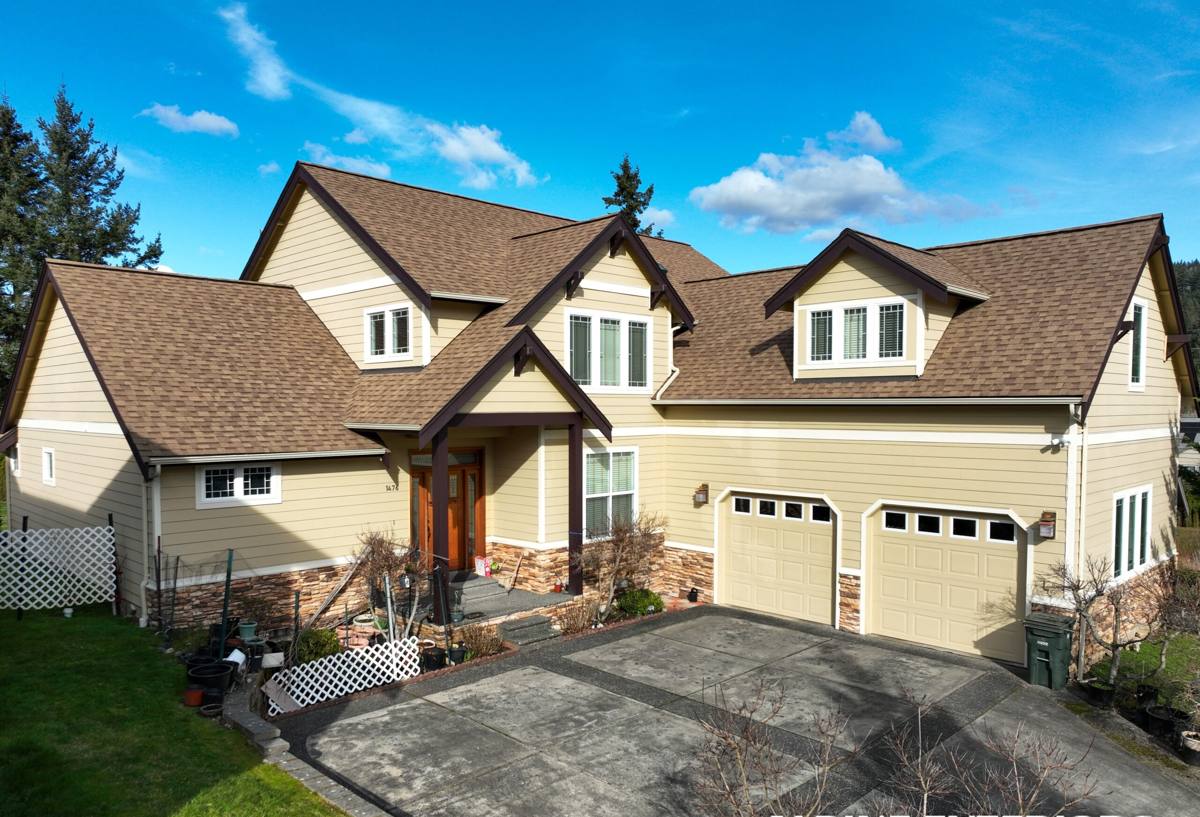
What Whatcom County Weather Actually Does to a Deck
Bellingham sits close enough to Bellingham Bay and the Salish Sea that salt-laden air is a real factor for exterior metal and fasteners, even a few miles inland. Combine that with a wet season that stretches across most of the year, plus tree cover common to older Bellingham neighborhoods, and you get three specific mechanisms that shorten deck life here.
Salt Air and Corrosion
Fasteners, joist hangers, and structural connectors that aren't rated for coastal exposure corrode faster in this environment. Once a nail or screw starts rusting, it loses holding strength long before the wood around it looks damaged — which is part of why decks can feel solid right up until they suddenly don't.
Driving Rain and Trapped Moisture
Wind-driven rain gets pushed sideways and up under railings, ledger boards, and decking gaps in a way that vertical rain never would. Moisture that gets trapped between boards, behind flashing, or where a ledger meets the house doesn't dry out quickly in our climate — it just sits there, and that's where rot starts.
Moss, Algae, and the Shade Problem
Bellingham's moss season isn't a few weeks in spring — it's most of the year on any surface that stays damp and shaded. Moss and algae hold moisture against the wood surface, make boards slippery, and accelerate surface breakdown on both wood and lower-grade composite decking. A deck under mature trees or on the shaded side of a house will always fight this harder than one in full sun.
Repair or Replace? Signs Your Deck Has Reached the End
Not every deck problem means a full tear-out. But there's a point where patching individual boards stops making sense — either because the structure underneath is compromised, or because the cost of repeated repairs starts to rival the cost of doing it right once. Here's what tells us a deck is past the repair stage:
- Soft or spongy spots in the decking, especially near the house or stair landing
- Ledger board pulling away from the house, or visible gaps behind flashing
- Rust streaks running down from joist hangers, screws, or railing posts
- Wobble in railing posts or stair stringers when you put weight on them
- Persistent moss or algae that returns within weeks of cleaning
- Boards cupping, splitting, or delaminating (common on older composite)
- Footings that are visibly heaved, cracked, or undersized for the deck's span
- A deck built without permits or to an older code that no longer meets current guardrail and stair requirements
If you're only seeing one or two of these on an otherwise sound structure, repair may still be the right call. Once the framing or footings are in question, replacement is usually the more honest recommendation — and the safer one.
Choosing a Decking Material That Actually Holds Up Here
Material choice matters more in Bellingham's climate than it does in drier parts of the country. The table below reflects how the common options actually perform under sustained Pacific Northwest moisture, not just their price tag at the lumber yard.
| Material | Upfront Cost | Maintenance | Moss/Moisture Resistance | Realistic Lifespan Here |
|---|---|---|---|---|
| Pressure-treated wood | Lowest | Annual cleaning, periodic staining/sealing | Fair — needs upkeep to stay ahead of moss | 10-15 years |
| Cedar | Moderate | Regular sealing to hold color and resist moisture | Good natural resistance, still needs care | 15-20 years |
| Capped composite | Higher | Occasional washing, no staining/sealing | Very good — cap layer resists moss staining | 25-30+ years |
| PVC decking | Highest | Minimal — periodic washing only | Excellent — fully moisture-resistant core | 30+ years |
Wood costs less to install but asks more of the homeowner over time — staining and sealing on a schedule that our wet season makes easy to fall behind on. Composite and PVC cost more up front but largely take moss and moisture out of the maintenance equation, which is a meaningful trade-off for a deck that sits in shade or gets a lot of driving rain. There's no universally "right" answer here — it depends on your budget, how much upkeep you want to do, and how much sun and shelter your specific deck gets.
What a Correct Deck Replacement Actually Involves
The visible decking boards are the smallest part of what determines whether a deck lasts. Most of the failures we see trace back to what's underneath, not what's on top.
Ledger Board and Flashing
Where the deck attaches to the house is the single most common failure point in this climate. Proper flashing — installed correctly, in the right sequence with the house's siding and building paper — is what keeps water from tracking behind the ledger and into the rim joist or wall framing. This is also the detail most often done wrong on older or lower-budget builds.
Footings Sized for the Job
Footings need to be sized and set to the depth and bearing capacity the structure actually requires, not just what was convenient at the time. Undersized or shallow footings are a common reason older decks develop heave, settling, or a bounce that shouldn't be there.
Joist Spacing, Hardware, and Fasteners
Joist spacing and hanger hardware should match the decking material's span rating — composite and PVC often have tighter spacing requirements than solid wood. We use fasteners and structural connectors rated for coastal/exterior exposure, which matters more here than in a drier inland climate.
Guardrails and Stairs
Guardrail height, baluster spacing, and stair rise/run are all governed by code, and those codes have tightened over the decades. A replacement is the right time to bring an older deck's railings and stairs up to current requirements, not just replicate what was there before.
Permits and Code in Bellingham
Deck work in the City of Bellingham and unincorporated Whatcom County generally requires a permit once the deck is attached to the house or exceeds a certain height above grade — the exact thresholds and requirements depend on your specific property and jurisdiction. We handle the permit process as part of a replacement project, including making sure the structure meets current guardrail, stair, and footing requirements rather than just matching what was there before. If you're unsure whether your situation needs a permit, that's a reasonable first question to bring to an estimate.
Our Process From Estimate to Finished Deck
Deck replacement is disruptive enough without surprises along the way. Our process is built to keep the scope, timeline, and cost clear from the first visit:
- On-site assessment — we look at the existing structure, ledger connection, footings, and framing to determine what's actually salvageable versus what needs full replacement.
- Material and design conversation — we walk through decking options against your budget, sun/shade exposure, and how much maintenance you want to take on long-term.
- Permit filing — where required, we prepare and submit the permit paperwork so the project meets current code.
- Tear-out and structural rebuild — old decking, framing, and any compromised ledger or footings come out and get rebuilt to spec.
- Decking, railing, and stair installation — installed to the manufacturer's spacing and fastening requirements, not just "close enough."
- Final walkthrough — we go over the finished deck together, including what maintenance (if any) it will need going forward.
Caring for Your New Deck Through Bellingham's Wet Season
Even a well-built deck benefits from a little seasonal attention in this climate. A short routine goes a long way toward protecting the investment:
- Sweep debris and fallen leaves off the deck regularly, especially in fall — trapped organic matter feeds moss and holds moisture
- Wash the surface once or twice a year to stay ahead of moss and algae before it takes hold
- Check railing posts and stair connections annually for any looseness
- For wood decks, keep to a sealing/staining schedule rather than waiting until the finish visibly fails
- Keep gutters and downspouts near the deck clear so runoff isn't dumping extra water onto or under the structure
- Trim back overhanging branches where practical to reduce shade and debris buildup
Why It Matters to Hire a Crew That Already Works This Neighborhood
A deck built to a generic national spec sheet isn't necessarily built for what Bellingham weather does to it over fifteen or twenty years. A crew that regularly works Sunnyland and the surrounding Bellingham neighborhoods has already seen how local moisture, moss, and salt air affect different materials and details — which fasteners hold up, which flashing details actually keep water out, and which shortcuts show up as problems five years later. That local pattern recognition is worth something you can't get from a crew passing through once.
If your deck is showing its age — or you just want an honest opinion on whether it's a repair or a replacement — we're happy to take a look. Reach out for a free, no-pressure estimate using the form below.