 Bellingham
 Siding Installation in Sunnyland: Built for Bellingham's Marine Climate
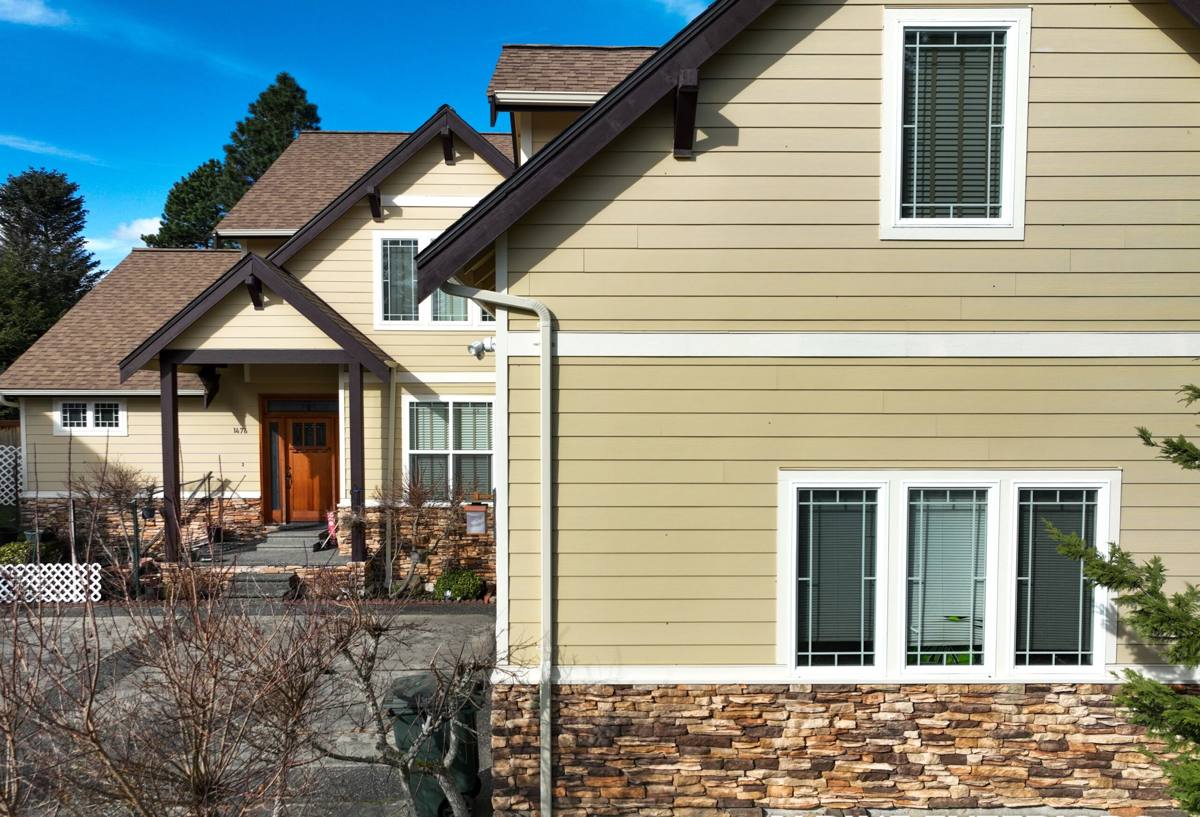
Sunnyland is one of Bellingham's established residential neighborhoods, with a mix of home ages and styles typical of the area. Whatever decade a house was built in, the siding on it is doing the same job every day: keeping wind-driven rain, salt-laden air off Bellingham Bay, and a long, damp moss season from working their way into the wall assembly. In Whatcom County, that's not a seasonal concern — it's a year-round one. Siding installation done right in Sunnyland isn't just about appearance. It's a water-management system, and every detail of how it's installed determines whether that system works for thirty years or fails in five.
This page covers what siding installation actually involves for homes in this part of Bellingham, what our process looks like, and why we've standardized on one product system instead of offering a menu of options.
What Bellingham's Climate Does to Siding Over Time
Whatcom County sits in a marine climate: mild temperatures, heavy annual rainfall, and enough proximity to Bellingham Bay that salt-tinged air is a real factor on exterior materials. A few specific stresses show up again and again on homes in and around Sunnyland:
- Driving rain. Wind off the water pushes rain sideways into wall surfaces, not just straight down. Siding and flashing details have to shed water that's hitting the wall at an angle, not just dripping off a horizontal edge.
- Salt air corrosion. Fasteners, trim flashing, and exposed metal components corrode faster near the coast. Cheap or improperly rated hardware fails years before the siding itself would.
- Extended moss and mildew season. Shaded north-facing walls, tree-lined lots, and long stretches of overcast, damp weather give moss, algae, and mildew a long runway to establish themselves on siding surfaces — especially products that absorb moisture or have porous, unfinished faces.
- Freeze-thaw cycling. It's not extreme cold, but Whatcom County gets enough freeze-thaw swings each winter to stress any siding material that absorbs water and expands.
None of this means siding is doomed here — it means the product and the installation details both have to be matched to the climate, not just to a catalog photo.
What Correct Siding Installation Actually Involves
Siding is only as good as what's behind it and how it's fastened. A correct installation is a layered system, and skipping any layer is where problems start.
The Water-Resistive Barrier
Before any siding goes up, the wall needs a continuous, properly lapped water-resistive barrier (house wrap or building paper) that directs any moisture that gets past the siding back out and down, away from the sheathing and framing.
Flashing at Every Penetration
Windows, doors, hose bibs, light fixtures, deck ledgers — every place something interrupts the siding plane needs flashing detailed to shed water downward and outward. This is the single most common place corners get cut, and it's the least visible from the ground once the job is finished.
Proper Clearances
Siding needs a minimum gap above roof lines, decks, patios, and grade. Siding installed tight to a walking surface or buried against soil wicks up moisture continuously, regardless of how good the material is.
Fastening to Manufacturer Spec
Nail type, length, placement, and spacing all affect how a board performs in wind and how it holds paint or factory finish over time. Fastening is engineered by the manufacturer for a reason — it's not a place to improvise.
Joint and Seam Treatment
Butt joints, corners, and trim intersections need to be treated so water can't sit in a seam. This is where a lot of moss and staining problems start on homes that otherwise look fine.
Why We Install Only James Hardie Fiber Cement
We get asked regularly why we don't offer vinyl, LP SmartSide, or other fiber cement brands as options. The honest answer is that we standardized on one product system because it performs consistently in this climate when installed correctly, and it lets us guarantee our workmanship without hedging on material behavior we can't control.
James Hardie fiber cement is non-combustible, dimensionally stable, and doesn't absorb and swell with moisture the way engineered wood products can. Its ColorPlus factory finish is baked on under controlled conditions, which holds up better against Bellingham's damp, low-light winters than field-applied paint typically does. Hardie's HZ5 product line is engineered specifically for climates with sustained moisture exposure — which describes Whatcom County well.
That doesn't mean every other product is a bad product. Vinyl is inexpensive and low-maintenance in the right application. LP SmartSide has real advocates and a legitimate track record when installed and maintained per spec. But we've made a professional decision to install one system we can stand behind completely, back with a strong transferable warranty, and install to the same standard on every job — rather than stock five products and split our expertise across all of them.
James Hardie Product Lines We Install
| Product | Typical Use | Why It Fits Sunnyland |
|---|---|---|
| HardiePlank lap siding | Traditional horizontal siding, most homes | Classic look, engineered profiles that shed driving rain |
| HardiePanel vertical siding | Accent walls, gables, modern styling | Clean lines, pairs well with board-and-batten detailing |
| HardieTrim boards | Corners, window and door casing, fascia | Matches siding durability so trim doesn't fail first |
| HardieSoffit panels | Eaves and overhangs | Resists moisture in shaded, damp eave areas prone to mildew |
How the Installation Process Works
- On-site assessment. We walk the exterior, check existing siding and sheathing condition, and note problem areas — moisture staining, soft spots, poor flashing, moss buildup.
- Tear-off and sheathing inspection. Old siding comes off and we inspect the sheathing underneath. Any rot or water damage gets repaired before anything new goes up — covering a problem never fixes it.
- Water-resistive barrier installation. A new, continuous barrier goes on with proper laps and seals around every penetration.
- Flashing and trim work. Windows, doors, and all penetrations get flashed before siding installation begins.
- Siding installation to manufacturer spec. Fastening, clearances, and joint treatment follow James Hardie's published installation guidelines, not shortcuts.
- Final inspection and cleanup. We walk the finished job, check every elevation, and make sure the site is left clean.
Common Problems We See on Sunnyland Homes
Because we work regularly in this part of Bellingham, we see the same failure patterns repeat on homes with older or improperly installed siding:
- Moss and algae staining concentrated on shaded north and east-facing walls
- Caulk failure at butt joints and trim intersections, letting water track behind the siding
- Rusted or corroded fasteners bleeding rust streaks down the siding face
- Siding installed too close to grade or deck surfaces, with visible wicking and rot at the base
- Soft or delaminating sheathing discovered only once old siding comes off
None of these are unique to any one brand of siding — they're installation and maintenance issues that show up faster in this climate than they would somewhere drier.
What Affects the Cost of a Siding Installation
| Factor | How It Affects the Project |
|---|---|
| Home size and wall area | More square footage means more material and labor |
| Tear-off complexity | Multiple layers of old siding or hidden rot repair add time |
| Home shape and trim detail | Corners, gables, and dormers require more cutting and flashing work |
| Sheathing repair needs | Rot or water damage found during tear-off must be repaired before siding goes on |
| Siding profile and finish | Panel style, plank width, and color selection affect material cost |
| Site access | Tight lots, slopes, or landscaping close to the house can slow staging and cleanup |
Because every one of these varies by house, we don't quote siding jobs off a phone call — an on-site look is the only honest way to give a real number.
Why Hiring a Crew That Already Works Sunnyland Matters
Siding installation isn't just a product decision — it's a labor and detailing decision, and both matter more in a climate like this one. A crew that regularly works Bellingham and Whatcom County homes already knows how to detail flashing for driving rain, where moss tends to concentrate on north-facing walls, and how salt air affects fastener choice near the water. That local pattern recognition shows up in fewer callbacks, not just a nicer-looking finished wall.
What to Ask Before Hiring a Siding Contractor
- Are you a certified or preferred installer for the product you're proposing?
- Will you inspect and repair sheathing before installing new siding, not just cover it?
- What's your approach to flashing around windows, doors, and penetrations?
- Is the manufacturer warranty registered in my name after the job is complete?
- Can you show me the fastening and clearance specs you're following?
- Do you carry proper licensing and insurance for exterior work in Washington?
Get a Free Estimate for Your Sunnyland Home
If your siding is showing moss staining, soft spots, failing caulk lines, or you're simply planning ahead for a home that's due for new siding, we're happy to take a look. We'll walk your home, point out anything we find, and give you a straight answer on what a correct James Hardie installation would involve — no pressure, no upsell. Use the form below to request a free estimate.